
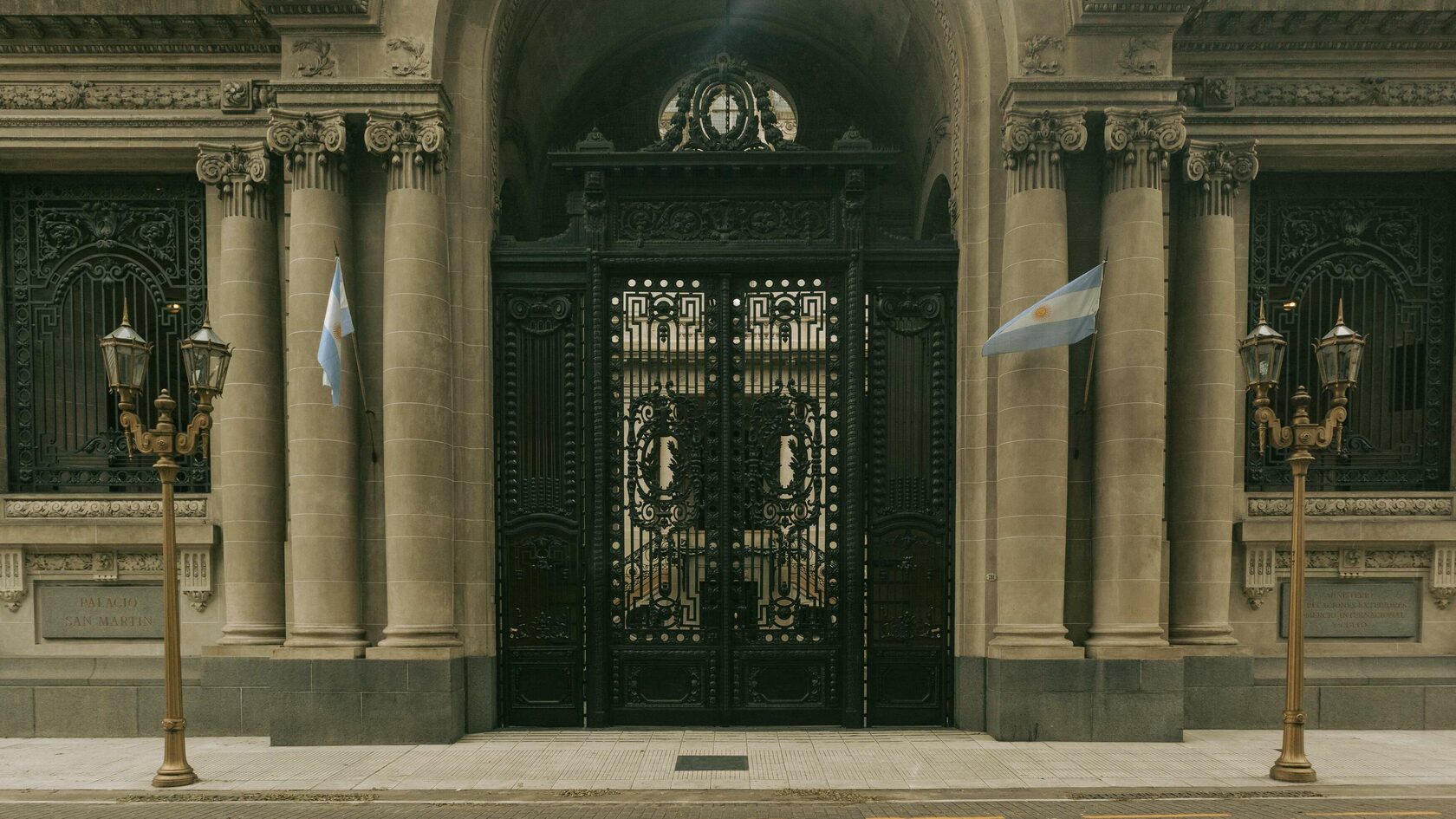
Embark on a journey to discover the vibrant heart of Argentina as we explore its captivating capital.
What is Argentina capital?
Buenos Aires stands as both the city and capital of Argentina.
What is known about Buenos Aires?
Situated on the shores of the Río de la Plata, Buenos Aires is synonymous with the Federal District and is positioned approximately 150 miles (240 km) from the Atlantic Ocean. Renowned as one of Latin America's major ports and most populous cities, Buenos Aires serves as the national hub for commerce, industry, politics, culture, and technology. According to historical accounts, Spanish colonizer Pedro de Mendoza founded the initial settlement, naming it Nuestra Señora Santa María del Buen Aire ("Our Lady St. Mary of the Good Air"). The city's residents, known as porteños ("people of the port"), reflect its historical connection to European immigration by sea. The city spans an area of 78 square miles (203 square km), while Greater Buenos Aires encompasses 1,500 square miles (3,885 square km). The population was recorded at 2,776,138 for the city and 12,046,799 for Greater Buenos Aires in 2001, 2,890,151 for the city in 2010, and an estimated 15,172,700 for Greater Buenos Aires in 2019.
What was the capital of Argentina before?
Before Buenos Aires became the capital of Argentina, the city of Santiago del Estero briefly served as the capital. Santiago del Estero was the capital of the country from 1553 to 1561. Afterward, the capital was moved to several other locations before Buenos Aires was ultimately designated as the permanent capital in 1880.
Why did the capital of Argentina change?
The capital of Argentina changed due to historical circumstances and strategic considerations. Originally founded twice, first by Juan Díaz de Solís in 1516 and later by Pedro de Mendoza in 1536, Buenos Aires faced challenges such as conflicts with indigenous groups and scarcity of resources, leading to its abandonment for several decades. Juan de Garay's mission in 1580 marked the city's second founding. Over time, Buenos Aires grew in economic importance, experiencing invasions and conflicts. In 1776, it became the center of the Viceroyalty of the Río de la Plata, gaining prominence in trade and commerce. The city's role in the struggle for Argentine independence solidified its position as the capital when it declared independence on May 25, 1810. The 19th century saw internal conflicts, but Buenos Aires eventually became the capital of the unified nation in 1862. Throughout the 20th century, the city faced political turmoil, military coups, and social movements, contributing to its dynamic history. Today, Buenos Aires stands as a vibrant and cosmopolitan capital, celebrated for its rich cultural heritage, including the UNESCO-declared Intangible Cultural Heritage of Humanity, the tango.