
Belgium boasts a diverse food scene, combining traditional local dishes with international flavors. It caters to the demand for halal food and offers a unique mix of fast food options, including local specialties.
Belgium traditional food
Did you know that traditional Belgian food is celebrated in some of the world's best Michelin-starred restaurants? Belgian cuisine is a tapestry woven with influences from French, German, and Dutch cooking. While rooted in Flemish traditions, modern Belgian gastronomy continues to evolve, showcasing innovation and creativity. Be on the lookout for these traditional dishes:
- Eel in Green Sauce. This uniquely Belgian dish features eels cooked in fish stock or water infused with local herbs like sorrel, chervil, parsley, mint, and watercress. Cities like Antwerp and Bruges are known for this vibrant, green-hued delicacy.
- Beef Stew (Carbonade Flamande). Belgium's own hearty creation, akin to the French Boeuf Bourguignon, boasts caramelized onions and slow-braised beef, simmered in beer—typically Old Brown or Flanders Brown. Mustard-slathered bread accompanies this rich dish, served alongside creamy mashed potatoes or frites.
- Belgian Fish Soup. Once a favorite of the Roman Emperor Charles V from Ghent, this soup, originally made with locally caught river fish, now includes chicken, vegetables, herbs, and cream.
- Potted Meat (Potjesvlees). Available in various food shops, this terrine crafted from chicken, veal, and rabbit might not suit everyone's taste due to its gelatinous texture and sweet-sour flavor.
- Stoemp. A beloved dish combining mashed potatoes and assorted vegetables like onions, carrots, Brussels sprouts, or cabbage, often served as a side dish, complementing sausages—a Belgian rendition of England's Bubble and Squeak.
- Mussels and Fries (Moules Frites). Belgium stakes its claim as the birthplace of moules frites, with succulent mussels served in a pot alongside delectable fries, perfect for soaking up the flavorful juices.
- Grey Shrimps. Referred to as the 'caviar of the North Sea,' these tiny shrimps grace tables across Belgium, particularly in seafood eateries along port towns, served either as a starter or an aperitif.
- Waffles. Belgian waffles, a notorious indulgence in traditional Belgian cuisine, can be enjoyed sweet or savory, topped with ice cream and chocolate sauce being a local favorite.
- Shortcrust Biscuits. These spiced, buttery biscuits accompany most coffee orders, prepared traditionally with genuine butter and brown sugar, baked in intricate wooden molds.
Belgian food is famous in the world
From world-renowned chocolates to irresistible waffles. Belgian cuisine offers a diverse array of delectable delights: fries, moules frites, and waffles topped with cream, chocolate, or strawberries. Don't miss out on local favorites such as the syrupy cuberdon, speculoos gingerbread cookies, and the stoemp—mashed potatoes with a twist. Treat yourself to traditional Belgian cakes like pom koek or warm up with a bowl of waterzooi, a creamy stew perfect for chilly nights. For a hearty meal, savor the rich flavors of Carbonnade Flamande, a slow-cooked beef stew served with fries or bread, accompanied by a glass of Belgian beer.
Belgium Christmas food
In Belgium, Christmas is typically celebrated at home on Christmas Eve (24th December) rather than Christmas Day (25th December), where friends and family gather for a delightful meal. Here's a glimpse of the treats gracing the festive table and available during the holiday season in Belgium.
- Speculoos — a renowned spiced shortcrust biscuit, traditionally baked for Sint Niklaas Day on 6th December, features a thin, sweet, and crunchy texture. Typically shaped in the image of Sint Niklaas, it boasts flavors of pepper, cinnamon, ginger, cloves, cardamom, and nutmeg, making it a deliciously spiced festive biscuit.
- Waffles — beloved year-round, these warm and fluffy treats gain heightened popularity over Christmas. Found abundantly in Christmas markets, especially in Brussels, they come with endless topping choices.
- Chocolate — another celebrated Belgian specialty, chocolate takes center stage during Christmas. Premium chocolate brands offer heavenly hot chocolate. Drawing queues of people eager for a cup of this sweet winter beverage.
- Mulled Wine — to warm up while strolling through Christmas markets, indulge in mulled wine (vin chaud or glühwein). This spiced winter wine, popular in many countries, is a must-try in Belgium.
- Seafood — a common Christmas starter in Belgium, seafood like mussels (moules) takes a prominent place, reflecting the country's love for fish and shellfish, supplied fresh from Belgian ports.
- Assorted Potatoes — a staple in Belgian cuisine, potatoes are versatile, featuring in various forms from the famous Belgian frites to mashed potatoes or elegant pommes duchesse, complementing the Christmas meal.
- Vegetables — typical Belgian vegetables like Brussel sprouts, white asparagus, mushrooms, and chicory play a role in the Christmas spread, providing seasonal flavors.
- Cougnou or Cougnolle — a special Christmas breakfast includes a sweet bread, shaped like a baby as a symbol of Baby Jesus, particularly enjoyed in southern Belgium.
- Yule Log — a popular Christmas pudding, the Yule log or Bûche de Noël, often a chocolate cake decorated intricately to resemble a tree log, serves as a delightful treat during the festive season.
Belgium halal food
In Belgium, the demand for halal-certified food has been steadily increasing due to a growing Muslim population and an increased preference for halal products. Many restaurants and food establishments have obtained halal certification to cater to this demand.
A significant Muslim population, estimated to be around 7% of the total population, particularly concentrated in cities like Brussels, Antwerp, and Ghent. This demographic factor has driven the popularity and availability of halal food options across the country.
There are numerous halal-certified restaurants, cafes, and grocery stores throughout Belgium, especially in urban areas with larger Muslim communities. These establishments offer a diverse range of cuisines, including Lebanese, Turkish, Moroccan, Pakistani, Indian, and more, ensuring a wide variety of halal food choices.
Overall, the availability and variety of halal food in Belgium reflect both the growing Muslim population and the increasing recognition and appreciation for halal cuisine among a broader demographic.
A significant Muslim population, estimated to be around 7% of the total population, particularly concentrated in cities like Brussels, Antwerp, and Ghent. This demographic factor has driven the popularity and availability of halal food options across the country.
There are numerous halal-certified restaurants, cafes, and grocery stores throughout Belgium, especially in urban areas with larger Muslim communities. These establishments offer a diverse range of cuisines, including Lebanese, Turkish, Moroccan, Pakistani, Indian, and more, ensuring a wide variety of halal food choices.
Overall, the availability and variety of halal food in Belgium reflect both the growing Muslim population and the increasing recognition and appreciation for halal cuisine among a broader demographic.
Fast food in Belgium
Fast food in Belgium presents a mix of traditional and international options, reflecting the country's diverse culinary scene. While global fast-food chains like McDonald's, Burger King, and KFC are present, Belgium also boasts its unique fast-food culture.
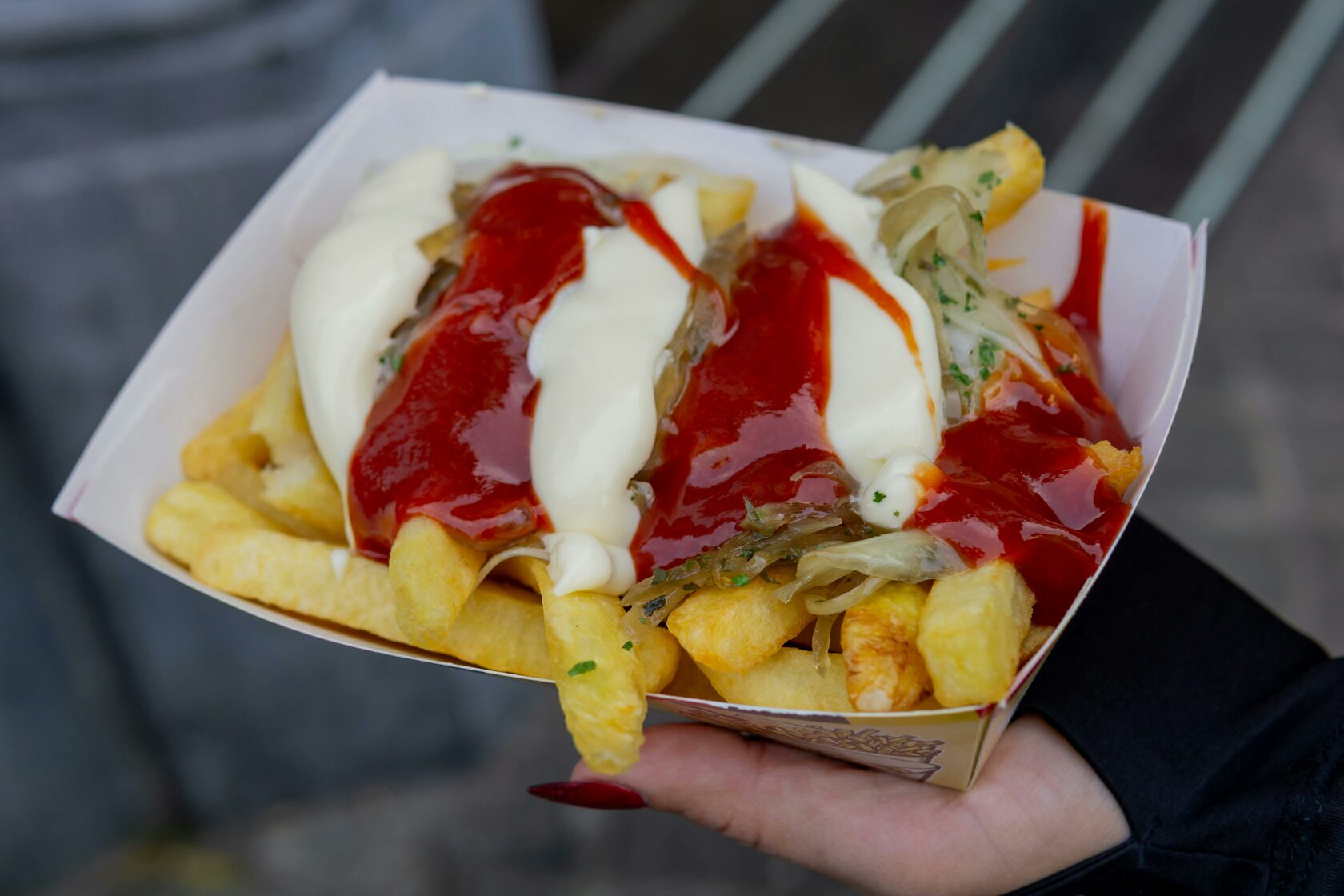
One notable aspect is the popularity of friteries, stands or shops specializing in Belgian fries (frites). These fries are typically thicker, fried twice for a crispy exterior, and served with a variety of sauces like mayonnaise, ketchup.
Besides fries, traditional Belgian snacks such as mitraillette (a baguette filled with meat, fries, and sauces) and boulettes (meatballs) are also part of the fast-food landscape.
In addition to global fast-food chains, Belgium's urban areas offer a range of fast-casual eateries, kebab shops, and diverse international cuisines that cater to quick and convenient dining options.
Belgium often emphasizes quality ingredients, even in fast food. Many places use locally sourced or artisanal products, ensuring a higher standard compared to conventional fast-food chains.
Overall, while Belgium has its share of international fast-food chains, its distinctive fast-food culture is characterized by local specialties, unique snacks, and an emphasis on quality ingredients.
One notable aspect is the popularity of friteries, stands or shops specializing in Belgian fries (frites). These fries are typically thicker, fried twice for a crispy exterior, and served with a variety of sauces like mayonnaise, ketchup.
Besides fries, traditional Belgian snacks such as mitraillette (a baguette filled with meat, fries, and sauces) and boulettes (meatballs) are also part of the fast-food landscape.
In addition to global fast-food chains, Belgium's urban areas offer a range of fast-casual eateries, kebab shops, and diverse international cuisines that cater to quick and convenient dining options.
Belgium often emphasizes quality ingredients, even in fast food. Many places use locally sourced or artisanal products, ensuring a higher standard compared to conventional fast-food chains.
Overall, while Belgium has its share of international fast-food chains, its distinctive fast-food culture is characterized by local specialties, unique snacks, and an emphasis on quality ingredients.
Food service in Belgium
Belgium's food service boasts renowned fine dining experiences in Michelin-starred restaurants, cozy cafés, and bistros. Street food culture thrives with favorites like waffles, chocolates, and fries. The food service delivery operates in different cities, from Brussels to Antwerp to Leuven, working with thousands of restaurants to get customers their meals. You can easily choose a restaurant near you and order Indian food, fast food or French pastries from anywhere. In Belgium, Takeaway.com is that popular platform.
Price for food in Belgium
Cost of a grocery basket in Belgium can vary based on factors such as region, store, brands, and product quality. As an example, the average price of standard products in Belgium might be:
- Bread (baguette):1–2 euros;
- Milk (per liter): 0.80 –1.20 euros;
- Eggs (dozen): 2–3 euros;
- Rice (per kilogram): 1–2 euros;
- Vegetables (per kilogram): ranging from 1 to 3 euros per kilogram, depending on the type;
- Meat (per kilogram): prices may range from 5 to 20 euros per kilogram, varying by type and quality.