
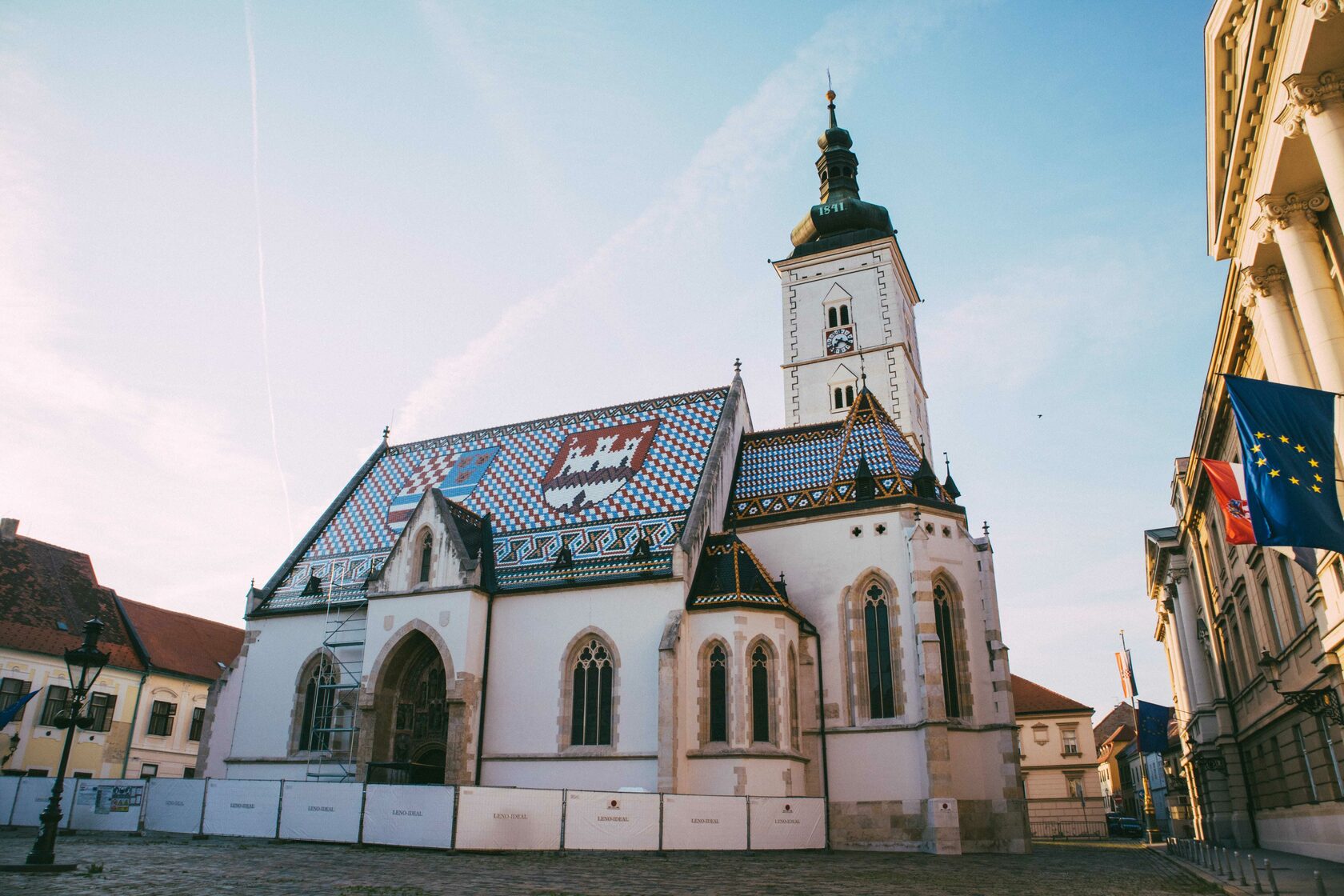
Is Croatia considered part of Europe?
Situated in southeastern Europe, Croatia boasts a varied and diverse geographical landscape.
Is Croatia in the EU?
On July 1, 2013, Croatia officially joined the European Union as its 28th member country.
When will Croatia join Schengen area?
As of January 1, 2023, Croatia became a part of the Schengen Area.
Why did Croatia join the EU?
Croatia's inclusion in the European Union has yielded certain economic advantages, including steady economic growth, an incremental improvement in living standards, and a reduction in unemployment. Despite these benefits, challenges such as the ineffective absorption of EU funds, inefficiencies in state institutions, and structural issues within the national economy have hindered the country from fully capitalizing on these opportunities. The free movement of people has also contributed to unfavorable demographic trends. Nonetheless, Croatia has derived some advantages from EU membership, notably through projects like the EU-funded LNG terminal on Krk Island, positioning the country as a potential key player in regional energy diversification. Croatian officials have effectively utilized their presence in EU institutions to address concerns about compatriots in Bosnia and Herzegovina at a transnational level. However, there's a perception that Croatia has not fully leveraged its influence in the Western Balkans.
Can I enter Croatia with Schengen visa?
The prevalent Schengen visa option for Croatia is the short-stay, Type C visa. This visa permits travel within all 27 Schengen countries for a duration of up to 90 days within any 180-day period, starting from the entry date into the Schengen zone. Should your stay in Croatia (or the Schengen zone) exceed 90 days, an application for a national visa, or Type D visa, becomes necessary.