
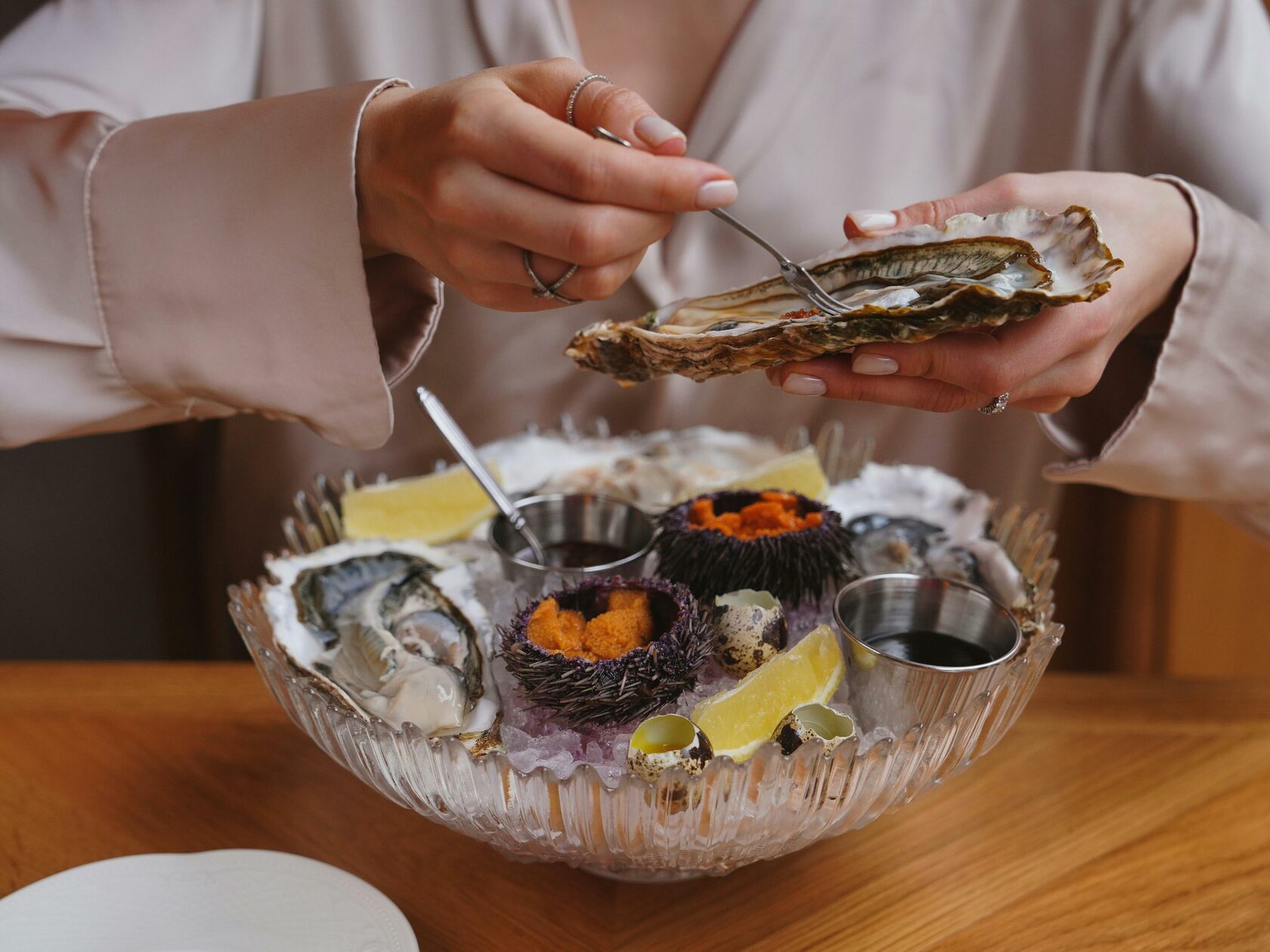
Today, let's delve into the rich and diverse world of Croatian cuisine, exploring the unique flavors and culinary traditions that make Croatian food a delightful and distinctive experience.
What is Croatian food like?
Croatian gastronomy presents a diverse array of flavors that vary across its regions. Beloved dishes such as sarma, punjena paprika, peka, and traditional charcuterie are cherished staples that delight palates from one end of the country to the other.
How has the food of Croatia changed over time?
The evolution of Croatian cuisine over time is a fascinating journey marked by a convergence of diverse influences. Centuries of cultural exchanges, trade routes, and historical shifts have sculpted the culinary landscape into a rich tapestry of flavors. From the coastal regions to the heart of the country, the cuisine reflects a dynamic blend of Mediterranean, continental, and global inspirations.
As the crossroads for conquerors and merchants, Croatia absorbed culinary elements from Italian, Oriental, and Central European traditions. The discovery of the New World introduced new ingredients and preparation methods, further enriching the culinary repertoire. Over time, this amalgamation of influences has given rise to a distinctive Croatian gastronomy that embraces both traditional and modern elements.
Contemporary dietary trends have also left their mark, with a growing emphasis on healthier and lighter options. While hearty meals with meat and side dishes continue to be cherished, there's a heightened appreciation for Mediterranean cuisine along the coast. Fresh seafood, shellfish, and mollusks, accompanied by locally sourced vegetables and aromatic herbs, showcase a shift towards a more balanced and diverse culinary experience.
As the crossroads for conquerors and merchants, Croatia absorbed culinary elements from Italian, Oriental, and Central European traditions. The discovery of the New World introduced new ingredients and preparation methods, further enriching the culinary repertoire. Over time, this amalgamation of influences has given rise to a distinctive Croatian gastronomy that embraces both traditional and modern elements.
Contemporary dietary trends have also left their mark, with a growing emphasis on healthier and lighter options. While hearty meals with meat and side dishes continue to be cherished, there's a heightened appreciation for Mediterranean cuisine along the coast. Fresh seafood, shellfish, and mollusks, accompanied by locally sourced vegetables and aromatic herbs, showcase a shift towards a more balanced and diverse culinary experience.
Is Croatian food spicy?
Croatian cuisine is not generally known for being extremely spicy. While some dishes may incorporate mild spices for flavor, the overall character of Croatian food tends to highlight the natural taste of fresh ingredients.
Traditional Croatian food
Traditional Croatian food is a delightful reflection of the country's diverse regions, with each area contributing its own unique flavors and culinary techniques. Some notable traditional Croatian dishes include:
- Pasticada: A slow-cooked beef stew, often marinated in wine and spices, and served with gnocchi or pasta.
- Ćevapi: Grilled minced meat (usually a mix of beef and pork) shaped into small sausages, typically served with flatbread (somun) and diced onions.
- Sarma: Cabbage rolls stuffed with a mixture of minced meat and rice, cooked in a flavorful tomato sauce.
- Peka: A method of cooking where meat, vegetables, and sometimes potatoes are placed under a bell-shaped lid and slow-cooked in the oven or over open flames.
- Strukli: A type of strudel, either sweet or savory, with a filling that can include cottage cheese, sour cream, and eggs. It's a specialty of the Zagorje region.
Croatian food cooked with wine
Croatian cuisine often incorporates wine into various dishes, adding rich flavors and depth to the recipes. Here are a few Croatian dishes where wine is commonly used:
- Istrian Stew (Istarski Đuveč): This is a hearty stew originating from the Istria region. It typically includes a variety of meats, vegetables, and potatoes. Red wine is often added to enhance the flavors, and the stew is slow-cooked for a rich and savory taste.
- Brudet: Brudet is a fisherman's stew made with various types of fish, usually including white fish and shellfish. The base is a rich tomato and wine sauce, and it may also contain onions, garlic, and other herbs and spices. It's a popular dish along the Adriatic coast.
- Grah: Grah is a hearty bean soup often prepared with smoked meat, such as sausages or ham. In some variations, red wine is added to the broth for an extra layer of flavor.
- Croatian Risotto (Rizot): Risotto is a popular dish in Croatia, and it's often prepared with local ingredients such as seafood or mushrooms. White wine is commonly used to deglaze the pan and add complexity to the dish.
Best Croatian food
- Black Risotto (Crni Rižot): Widely featured on Dalmatian menus, black risotto may sound unusual but is a delicious dish with a distinctive flavor. Colored and flavored with squid ink, it includes squid and various seafood, offering a unique culinary experience. The dish is quick to arrive as it is usually prepared fresh in the morning and reheated.
- Fritule: A Christmas staple, fritule are small doughnut balls dusted with powdered sugar and filled with rum and raisins. While commonly enjoyed during the holiday season, these treats are available throughout the year. Some variations may include lemon zest or grated orange peel, but the essence lies in the joy of sharing.
- Gregada: Hailing from the island of Hvar, gregada is a fish stew featuring scorpion fish or grouper, depending on the day's catch. Prepared with generous slices of potatoes and ample olive oil, the chunks of fish remain whole during the slow simmering process. Often adorned with parsley, gregada is best enjoyed with a glass of wine against the backdrop of a stunning sunset.
- Under the Bell (Ispod Peke): More of a cooking method than a specific dish, "Ispod peke" involves slow-cooking under a dome-shaped lid, covered in hot ashes. Typically ordered in advance, you can choose from options like octopus, lamb, or veal. The succulent flavors, enhanced by the slow-cooking process, are complemented by a generous serving of potatoes.
- Istrian Truffles: In Istria, truffles are a significant part of the culinary scene. Look for restaurants displaying the "tartufo vero" sign, indicating compliance with Istria's high standards for handling and serving truffles. Livade hosts truffle-related events in October, including judging, cookery classes, and truffle auctions. Zigante, one of Istria's most renowned truffle restaurants, is a must-visit for truffle enthusiasts.
Croatian street food
Zagorski Štrukli: Zagorski Štrukli is a beloved Croatian pastry hailing from the Zagorje region near the Slovenian border. This treat is Croatia's rendition of Slovenian struklji, resembling a strudel and offering a diverse range of fillings. Whether filled with cottage cheese, tarragon, apples, or walnuts, Štrukli is a versatile pastry enjoyed throughout the day. It can be relished as a breakfast item, a light daytime snack, or transformed into a delectable dessert with sweet fillings and toppings.
Soparnik: Soparnik, a savory pie originating from the Dalmatian region, features thin dough sheets filled with a flavorful combination of chard, onions, and parsley. While sharing some similarities with zelnik, Soparnik has its unique identity. Its significance to Dalmatia and Croatia led to its declaration as a non-material national heritage in 2016. Additionally, a sweet version of Soparnik exists, incorporating fillings such as nuts, dried fruits, or caramel.
Viška (Komiška) Pogača: Despite its name, Viška Pogača differs from typical Balkan variations. The dough, enriched with olive oil, encases a filling of onions and stuffed sardines, cut into squares resembling Italian calzone. Similarly, Komiška Pogača employs tomatoes for its filling, cut into triangles before serving. Both varieties are widely available in Croatian bakeries.
Uštipci: Uštipci, a highly versatile pastry in the region, consists of deep-fried dough that can be enjoyed plain, salty, savory, or sweet. Pair it with cheese, ham, or kajmak for a savory twist, or top it with powdered sugar and/or jam for a delightful dessert, making it suitable for breakfast or as a standalone treat.
Bučnica: Bučnica, a traditional Croatian breakfast pastry, resembles a fusion of strudel and banitsa. Its typical filling includes cottage cheese, with preparation involving the layering of phyllo sheets and stuffing in between. Whether served warm or cold, Bučnica is particularly popular in the Zagreb area, making it a delightful choice for those exploring Croatian street food.
Soparnik: Soparnik, a savory pie originating from the Dalmatian region, features thin dough sheets filled with a flavorful combination of chard, onions, and parsley. While sharing some similarities with zelnik, Soparnik has its unique identity. Its significance to Dalmatia and Croatia led to its declaration as a non-material national heritage in 2016. Additionally, a sweet version of Soparnik exists, incorporating fillings such as nuts, dried fruits, or caramel.
Viška (Komiška) Pogača: Despite its name, Viška Pogača differs from typical Balkan variations. The dough, enriched with olive oil, encases a filling of onions and stuffed sardines, cut into squares resembling Italian calzone. Similarly, Komiška Pogača employs tomatoes for its filling, cut into triangles before serving. Both varieties are widely available in Croatian bakeries.
Uštipci: Uštipci, a highly versatile pastry in the region, consists of deep-fried dough that can be enjoyed plain, salty, savory, or sweet. Pair it with cheese, ham, or kajmak for a savory twist, or top it with powdered sugar and/or jam for a delightful dessert, making it suitable for breakfast or as a standalone treat.
Bučnica: Bučnica, a traditional Croatian breakfast pastry, resembles a fusion of strudel and banitsa. Its typical filling includes cottage cheese, with preparation involving the layering of phyllo sheets and stuffing in between. Whether served warm or cold, Bučnica is particularly popular in the Zagreb area, making it a delightful choice for those exploring Croatian street food.
Vegan food in Croatia
- Grilled Vegetables: Many restaurants offer dishes featuring grilled vegetables, often served with olive oil and herbs.
- Pasta with Tomato Sauce: Italian influence is strong in Croatian cuisine, and you can often find pasta dishes with tomato-based sauces and vegetables.
- Fritaja: This is a Croatian omelet that can be made with various vegetables, herbs, and sometimes tofu or other plant-based protein.
- Pizzette: Mini pizzas with a variety of vegetable toppings are commonly found in pizzerias and can be made vegan.
- Bread and Ajvar: Ajvar is a delicious roasted red pepper and eggplant spread, often served with fresh bread. It's a vegan-friendly appetizer.
Croatian food on Reddit
Bill from Berlin says: "When in Croatia, my mind is consistently drawn to three staples: ajvar, cevapcici, and rakija. These iconic elements, along with the broader influence of Mediterranean cuisine, contribute to a rich culinary experience. Regional specialties, including slow-cooked stews in traditional pottery, further enhance the diverse and flavorful food landscape."
Croatia food: cost
Croatian cuisine is not only delectable but also offers excellent value for money in most places.
In the top-tier restaurants of popular tourist destinations like Dubrovnik, Split, and Hvar, a two-course dinner (excluding drinks and tips) typically amounts to approximately US$80. On the other end of the spectrum, a comparable meal in a mid-range restaurant would be around USD/EUR €50. For those seeking a quick and affordable option, a meal in a typical fast-food restaurant usually falls in the range of USD/EUR €8-10 per person.
Average prices for drinks in restaurants and bars are similarly competitive. A 500ml glass of draught beer generally costs around US$5, with a similar price for a 330ml bottle of imported beer. A bottle of mid-priced wine is typically in the range of USD/EUR €30–35.
For beverages, a 1L bottle of mineral water in a restaurant is approximately US$4, while in a local supermarket, it's around US$1.50. A cappuccino at a cafe or restaurant is priced at around USD/EUR €3-4, and a cocktail or a spirit and mixer usually range from USD/EUR €6-8.
Tipping customs usually involve around 10-15% of the bill in restaurants and bars. For hotel porters or taxi drivers, a tip of EUR €1-2 is generally appreciated.
In the top-tier restaurants of popular tourist destinations like Dubrovnik, Split, and Hvar, a two-course dinner (excluding drinks and tips) typically amounts to approximately US$80. On the other end of the spectrum, a comparable meal in a mid-range restaurant would be around USD/EUR €50. For those seeking a quick and affordable option, a meal in a typical fast-food restaurant usually falls in the range of USD/EUR €8-10 per person.
Average prices for drinks in restaurants and bars are similarly competitive. A 500ml glass of draught beer generally costs around US$5, with a similar price for a 330ml bottle of imported beer. A bottle of mid-priced wine is typically in the range of USD/EUR €30–35.
For beverages, a 1L bottle of mineral water in a restaurant is approximately US$4, while in a local supermarket, it's around US$1.50. A cappuccino at a cafe or restaurant is priced at around USD/EUR €3-4, and a cocktail or a spirit and mixer usually range from USD/EUR €6-8.
Tipping customs usually involve around 10-15% of the bill in restaurants and bars. For hotel porters or taxi drivers, a tip of EUR €1-2 is generally appreciated.