
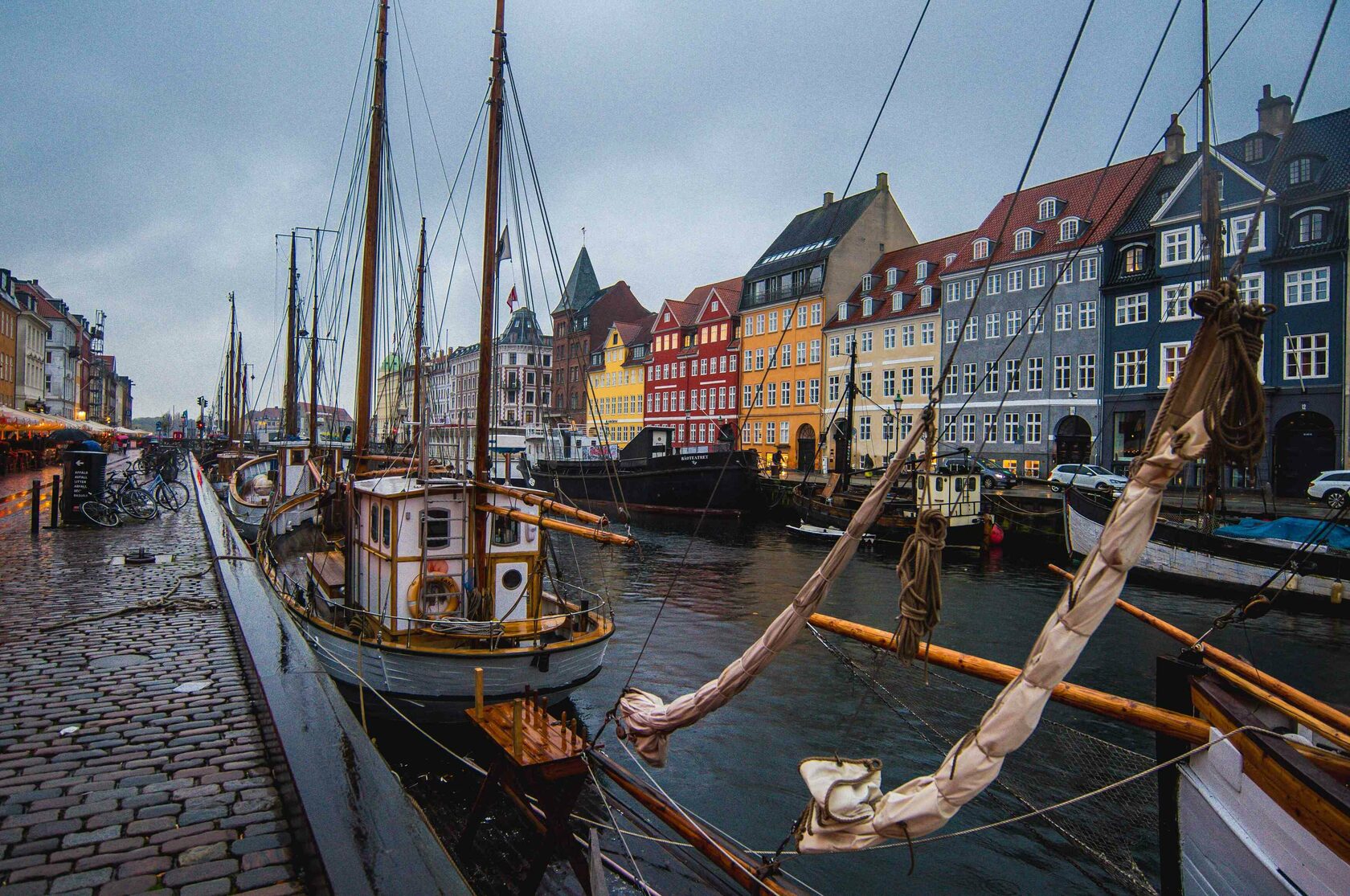
Denmark's rich cultural tapestry weaves together a harmonious blend of historic traditions and modern influences.
Food culture in Denmark
The typical Danish daily culinary routine involves three main meals: a chilly breakfast complemented by coffee or tea, a cold workday lunch, and a warm family dinner at home. Predominantly centered around meat, especially pork, these dinners commonly feature potatoes and occasionally a side vegetable like carrots or lettuce. Most Danish dinners are a single-course affair, with starters being infrequent and desserts such as ice cream or fruit appearing a bit more regularly. Traditional beverages include beer and wine, while soft drinks, water, milk, and coffee are also common. Upholding old traditions, many families engage in collective cooking sessions, with parents involving their children in the culinary process. These shared meals are integral to family life, fostering social bonds and contributing to the cherished Danish concept of well-being and coziness known as "hygge."
Drinking culture in Denmark
Denmark has maintained a notable affinity for alcoholic beverages, with consistently high consumption rates, although the overall pure alcohol intake has seen a decline in recent years. Unlike its Scandinavian counterparts, Sweden and Norway, Denmark offers easy access to alcoholic drinks, ranging from light beers to vodka, in regular supermarkets rather than specialized stores holding a monopoly on high-proof alcohol. Notably, Denmark diverges from many countries' legal age restrictions on alcohol consumption. Individuals can legally purchase beer and wine from the age of 16, and higher-percentage drinks from the age of 18. Despite these regulations, a significant number of Danes admit to experimenting with alcohol before reaching the legal age. Furthermore, Denmark permits the consumption of alcohol in public spaces, a practice prohibited in numerous other countries.
Cycling culture in Denmark
The roots of Danish cycling culture extend back to the inception of bicycles in the 1880s. During the 1920s and 1930s, cycling emerged as a powerful symbol of equality and freedom in Denmark, fostering a shared experience among people of diverse social backgrounds. Urbanites commuted to work, and rural residents explored the countryside, all on bicycles.
In the late 1950s, a surge in prosperity led some Danes to trade their bikes for mopeds and cars. Reflecting global trends, Danish urban planners embraced the notion that the future belonged to automobiles and expansive highways.
However, the landscape shifted in the early 1970s with the Middle East oil crisis. The introduction of 'Car Free Sundays' in Copenhagen and public protests advocating for a car-free city marked a turning point. Strøget, Copenhagen's main shopping street, transitioned to a pedestrian-only zone in 1962.
In subsequent years, mounting concerns over air pollution, climate change, and the imperative for sedentary individuals to engage in physical activity spurred a resurgence of bicycles. Denmark's high taxes on petrol and automobiles played a role in this revival, contributing to the renewed popularity of cycling as a sustainable and health-conscious mode of transportation.
In the late 1950s, a surge in prosperity led some Danes to trade their bikes for mopeds and cars. Reflecting global trends, Danish urban planners embraced the notion that the future belonged to automobiles and expansive highways.
However, the landscape shifted in the early 1970s with the Middle East oil crisis. The introduction of 'Car Free Sundays' in Copenhagen and public protests advocating for a car-free city marked a turning point. Strøget, Copenhagen's main shopping street, transitioned to a pedestrian-only zone in 1962.
In subsequent years, mounting concerns over air pollution, climate change, and the imperative for sedentary individuals to engage in physical activity spurred a resurgence of bicycles. Denmark's high taxes on petrol and automobiles played a role in this revival, contributing to the renewed popularity of cycling as a sustainable and health-conscious mode of transportation.
Culture homes in Denmark
Danes are renowned for their cosmopolitan, well-educated, and open-minded nature, with a strong emphasis on equality embedded in their culture. The majority of the population falls within the middle class, and poverty rates are notably low. This commitment to equal opportunities is evident in Denmark's healthcare and educational systems. Students enjoy tuition-free education and financial support from the state, while healthcare is funded through taxes, granting all Danes unrestricted access to medical services.
Family bonds are close-knit in Denmark, where shared nightly dinners are a common preference. Punctuality, planning, and responsibility are key values within typical Danish families, fostering trust and shared daily experiences. Engaging in local activities, such as sports clubs, after work and school is a customary family practice.
In Danish families, both parents typically work full-time, away from home during the day, yet remain actively involved in their children's school and extracurricular activities. Equality prevails in household responsibilities, with each family member contributing, and addressing parents, teachers, and elders by their first names is customary.
Family bonds are close-knit in Denmark, where shared nightly dinners are a common preference. Punctuality, planning, and responsibility are key values within typical Danish families, fostering trust and shared daily experiences. Engaging in local activities, such as sports clubs, after work and school is a customary family practice.
In Danish families, both parents typically work full-time, away from home during the day, yet remain actively involved in their children's school and extracurricular activities. Equality prevails in household responsibilities, with each family member contributing, and addressing parents, teachers, and elders by their first names is customary.
Wedding culture in Denmark
Danish wedding traditions are steeped in charm and symbolism, adding unique elements to couples' special days. A notable custom is the creation of the "Gate of Honour" around the bride's home, an archway adorned with pine branches and flowers, meticulously crafted by friends and family. This artistic display is later recreated on the couple's 25th wedding anniversary.
In the realm of attire, a Danish bride traditionally dons a white wedding dress and veil, accompanied by a touch of red—an emblem of love that also serves to ward off evil spirits. The groom, in turn, takes part in selecting and purchasing the bridal bouquet. Another distinctive tradition dictates that the bride, rather than the groom, must personally acquire her wedding shoes, which are then preserved as cherished heirlooms.
The wedding ceremony can unfold in a church or town hall, with the bride and her father being the final arrivals. Following the ceremony, a shower of rice upon the newlyweds symbolizes fertility.
The reception, overseen by a toastmaster, becomes a lively affair with speeches, notably commencing with the father of the bride. Singing and laughter abound, often accompanied by personalized song lyrics distributed to guests for a collective serenade.
In the realm of attire, a Danish bride traditionally dons a white wedding dress and veil, accompanied by a touch of red—an emblem of love that also serves to ward off evil spirits. The groom, in turn, takes part in selecting and purchasing the bridal bouquet. Another distinctive tradition dictates that the bride, rather than the groom, must personally acquire her wedding shoes, which are then preserved as cherished heirlooms.
The wedding ceremony can unfold in a church or town hall, with the bride and her father being the final arrivals. Following the ceremony, a shower of rice upon the newlyweds symbolizes fertility.
The reception, overseen by a toastmaster, becomes a lively affair with speeches, notably commencing with the father of the bride. Singing and laughter abound, often accompanied by personalized song lyrics distributed to guests for a collective serenade.
Business and work culture in Denmark
Business culture
Danish business culture stands out for its emphasis on equality and a low power distance within corporate hierarchies. This is reflected in the common practice of having an open-door policy for bosses, who make themselves readily available for conversations with employees at all levels of the organization. Job titles are downplayed, as they are viewed as somewhat ostentatious.
In Danish business settings, it is perfectly acceptable to express dissenting opinions, even in the presence of superiors, setting it apart from more formal business cultures such as Sweden or Germany. The Danish approach is generally more laid-back, which can sometimes be a source of frustration for individuals accustomed to the formality of other European business environments.
Consensus is highly valued in Danish business culture, but decisions are not set in stone. Even if an agreement is reached, it can be reconsidered the following day based on new or improved information. The foundation of Danish business interactions is built on openness and trust. Admitting mistakes promptly and proactively addressing and resolving issues is not only accepted but expected in this business culture.
In Danish business settings, it is perfectly acceptable to express dissenting opinions, even in the presence of superiors, setting it apart from more formal business cultures such as Sweden or Germany. The Danish approach is generally more laid-back, which can sometimes be a source of frustration for individuals accustomed to the formality of other European business environments.
Consensus is highly valued in Danish business culture, but decisions are not set in stone. Even if an agreement is reached, it can be reconsidered the following day based on new or improved information. The foundation of Danish business interactions is built on openness and trust. Admitting mistakes promptly and proactively addressing and resolving issues is not only accepted but expected in this business culture.
Work culture
Work culture in Denmark is characterized by a flat and subtle hierarchy, often challenging traditional expectations. Managers may not have separate offices, fostering a team-oriented atmosphere where everyone collaborates on assignments. While a sense of hierarchy exists, decision lines may not be overt, necessitating open communication about managerial roles.
Teamwork is integral to the Danish work approach, emphasizing collective idea generation and opinion-sharing. Although individual tasks carry responsibility, assignments are typically developed in tandem with colleagues. Punctuality is highly valued, with a standard 37-hour workweek from Monday to Friday, and meeting deadlines and attending meetings on time are prioritized over the specific location or timing of work.
Danish workplaces encourage independence and flexibility in managing working hours, promoting a healthy work-life balance. Taking initiative is crucial, whether in problem-solving within a specific assignment or addressing practical matters independently. Responsibility is shared within a team, with individuals expected to update managers if they encounter obstacles.
Communication is informal, devoid of strict dress codes or hierarchical emphasis. Full names are used during introductions, but afterward, a first-name basis prevails, even with those in leadership roles. Humility regarding titles and status is customary, with colleagues typically expressing curiosity about academic backgrounds.
Teamwork is integral to the Danish work approach, emphasizing collective idea generation and opinion-sharing. Although individual tasks carry responsibility, assignments are typically developed in tandem with colleagues. Punctuality is highly valued, with a standard 37-hour workweek from Monday to Friday, and meeting deadlines and attending meetings on time are prioritized over the specific location or timing of work.
Danish workplaces encourage independence and flexibility in managing working hours, promoting a healthy work-life balance. Taking initiative is crucial, whether in problem-solving within a specific assignment or addressing practical matters independently. Responsibility is shared within a team, with individuals expected to update managers if they encounter obstacles.
Communication is informal, devoid of strict dress codes or hierarchical emphasis. Full names are used during introductions, but afterward, a first-name basis prevails, even with those in leadership roles. Humility regarding titles and status is customary, with colleagues typically expressing curiosity about academic backgrounds.
Preservation of culture in Denmark
Denmark places a strong emphasis on the preservation of its cultural heritage through a combination of governmental support and community involvement. The Ministry of Culture actively promotes initiatives to safeguard Denmark's historical landmarks, traditional practices, and artistic achievements. These efforts include financial support for cultural institutions, historical sites, and events that contribute to the conservation of Danish identity.
Additionally, Denmark places a premium on education and awareness to instill a sense of cultural pride and responsibility. Schools incorporate cultural education into their curriculum, ensuring that younger generations are well-versed in the country's traditions, history, and artistic accomplishments.
Additionally, Denmark places a premium on education and awareness to instill a sense of cultural pride and responsibility. Schools incorporate cultural education into their curriculum, ensuring that younger generations are well-versed in the country's traditions, history, and artistic accomplishments.
Denmark culture vs Finnish culture
- Denmark exhibits a deeper connection to traditions when compared to Finland, exemplified by its enduring monarchy, which enjoys widespread love and popularity. In contrast, Finland's President has been known for unconventional actions, like seeking advice on parsnips during a talk show. However, both countries share an admirable anti-hierarchical stance.
- While Finns tend to be more individualistic, Danes lean towards a more group-oriented approach. Nevertheless, both nations share a common belief in society and cooperation. Their political choices reflect a prioritization of robust public services and income equality over promises of tax cuts. The empathy extended to fellow citizens facing challenges sets an example for the world.
- Denmark boasts a greater degree of cosmopolitanism and multiculturalism compared to Finland. Copenhagen, in particular, hosts a more diverse array of nationalities, especially from the European Union, creating a melting pot that surpasses the multicultural landscape of Helsinki.