
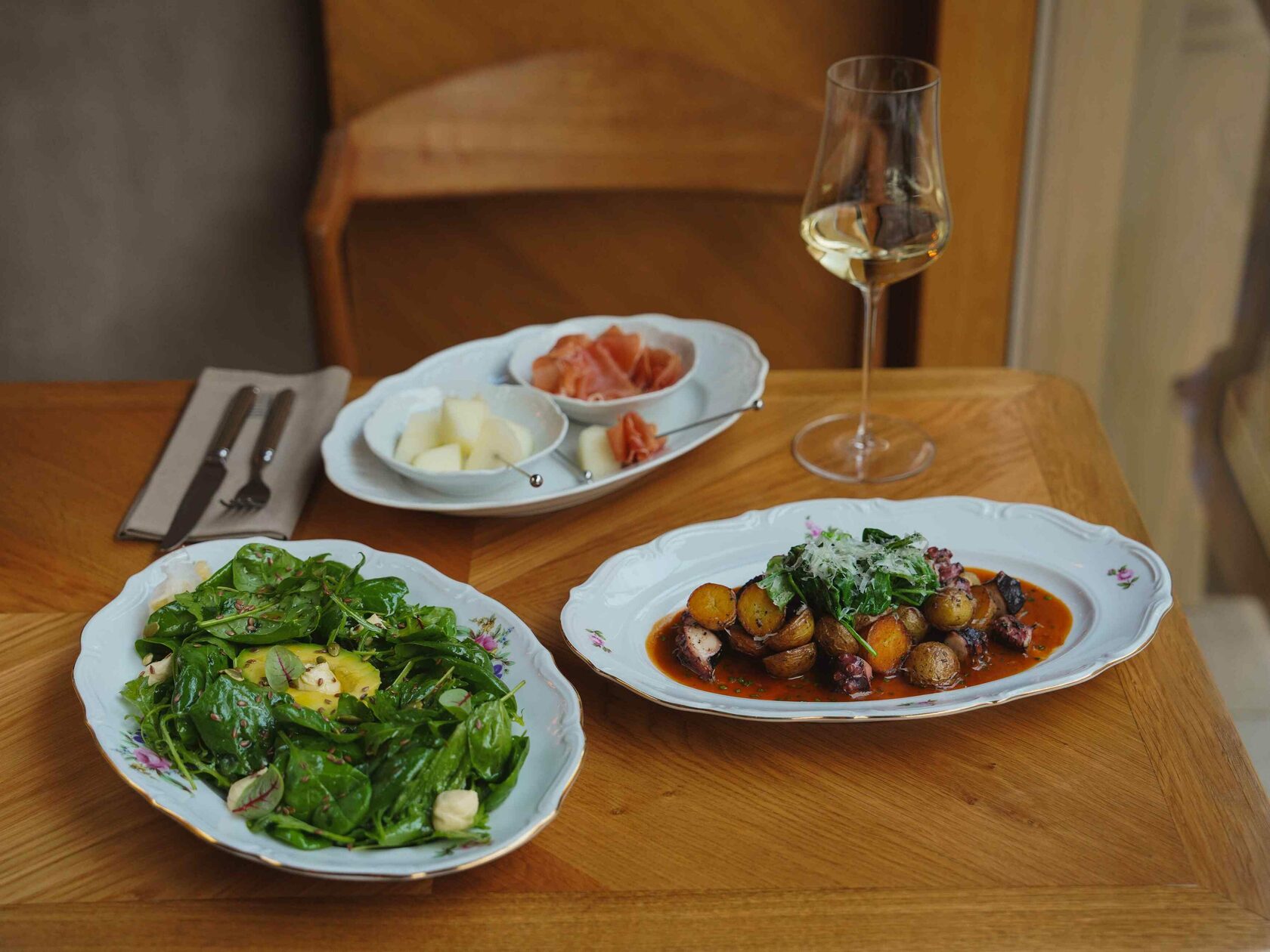
Estonian cuisine reflects the nation's rich cultural heritage, blending traditional flavors with modern influences. From hearty traditional dishes to innovative culinary creations, Estonian food offers a delightful exploration of the country's diverse culinary landscape.
Estonian food: history
Estonian culinary traditions have historically centered around staples like meat, potatoes, and fish, particularly in coastal and lakeside regions. However, contemporary Estonian cuisine embraces a diverse range of influences, with contributions from Scandinavian, German, Russian, Latvian, Lithuanian, and other culinary traditions. Rye bread, pork, potatoes, and dairy products are longstanding essentials, and Estonia's eating habits remain closely tied to seasonal variations. The country is firmly situated within the "beer, vodka, rye bread, and pork belt" of Europe.
Traditional Estonian food
#1 Wild Boar
Indulging in game meat becomes a delightful experience in Estonia, with wild boar taking center stage in its culinary landscape. Whether savoring a wild boar steak in Kuressaare's windmill or relishing boar lasagna in Tallinn, the robust and flavorful nature of the meat defines Estonian cuisine. Wild boar, a versatile ingredient, finds its way into various dishes across the country, offering a unique and memorable taste of Estonia's gastronomic heritage.
#2 Kohuke
Enter the world of Estonian snacks with the intriguing yet delectable kohuke, a curd snack that defies expectations. Comprising sweet curd cheese enveloped in chocolate, kohuke boasts a range of flavors, from vanilla to cheesecake and blueberry. Available in supermarkets alongside yogurt and cheese, these treats are surprisingly filling. For those seeking an authentic taste of Estonia, exploring the diverse world of kohuke is a must, showcasing the country's sweet and satisfying side.
#3 Buckwheat
Embark on a culinary journey with Estonian buckwheat, a dish that captivates taste buds with its creamy and flavorful composition. While not native to Estonia, buckwheat has seamlessly integrated into local cuisine, often prepared in a risotto-like style with various vegetables. Beyond its delightful taste, buckwheat adds a healthful touch to Estonian meals, presenting an opportunity for visitors to savor both the unique flavors and nutritional benefits of this versatile grain.
#4 Kama
Delve into the world of Estonian desserts with kama, a flour mixture that combines barley, oat, rye, and peas. Widely used in various sweet treats, including kama cakes and kama jelly, this versatile mixture offers a unique blend of flavors. The jelly, with its sweet and slightly bready aftertaste, provides a delightful introduction to Estonia's dessert offerings, showcasing the country's creativity in incorporating traditional ingredients into modern culinary delights.
#5 Mulgipuder
Discover Estonia's distinctive culinary gem, mulgipuder, a porridge that stands as a testament to the nation's culinary uniqueness. Comprising mashed potatoes and barley, this dish offers a dense texture, with the firm consistency of barley complementing the smoother potatoes. Often served as a side dish, mulgipuder becomes a hearty accompaniment to meals, while some establishments present it as the main course, blending it with bacon and onions for a truly filling and satisfying dining experience. As a dish exclusive to Estonia, mulgipuder exemplifies the country's rich and distinct food culture.
Indulging in game meat becomes a delightful experience in Estonia, with wild boar taking center stage in its culinary landscape. Whether savoring a wild boar steak in Kuressaare's windmill or relishing boar lasagna in Tallinn, the robust and flavorful nature of the meat defines Estonian cuisine. Wild boar, a versatile ingredient, finds its way into various dishes across the country, offering a unique and memorable taste of Estonia's gastronomic heritage.
#2 Kohuke
Enter the world of Estonian snacks with the intriguing yet delectable kohuke, a curd snack that defies expectations. Comprising sweet curd cheese enveloped in chocolate, kohuke boasts a range of flavors, from vanilla to cheesecake and blueberry. Available in supermarkets alongside yogurt and cheese, these treats are surprisingly filling. For those seeking an authentic taste of Estonia, exploring the diverse world of kohuke is a must, showcasing the country's sweet and satisfying side.
#3 Buckwheat
Embark on a culinary journey with Estonian buckwheat, a dish that captivates taste buds with its creamy and flavorful composition. While not native to Estonia, buckwheat has seamlessly integrated into local cuisine, often prepared in a risotto-like style with various vegetables. Beyond its delightful taste, buckwheat adds a healthful touch to Estonian meals, presenting an opportunity for visitors to savor both the unique flavors and nutritional benefits of this versatile grain.
#4 Kama
Delve into the world of Estonian desserts with kama, a flour mixture that combines barley, oat, rye, and peas. Widely used in various sweet treats, including kama cakes and kama jelly, this versatile mixture offers a unique blend of flavors. The jelly, with its sweet and slightly bready aftertaste, provides a delightful introduction to Estonia's dessert offerings, showcasing the country's creativity in incorporating traditional ingredients into modern culinary delights.
#5 Mulgipuder
Discover Estonia's distinctive culinary gem, mulgipuder, a porridge that stands as a testament to the nation's culinary uniqueness. Comprising mashed potatoes and barley, this dish offers a dense texture, with the firm consistency of barley complementing the smoother potatoes. Often served as a side dish, mulgipuder becomes a hearty accompaniment to meals, while some establishments present it as the main course, blending it with bacon and onions for a truly filling and satisfying dining experience. As a dish exclusive to Estonia, mulgipuder exemplifies the country's rich and distinct food culture.
Estonian Christmas food
Winter dishes in Estonia are renowned for their hearty and warming qualities, designed to offer comfort and sustenance in the chilly weather, especially during Christmas dinners. Traditional staples such as verivorst (blood sausage), sült (jellied head cheese), hapukapsas (sauerkraut), oven-roasted potatoes, and pork take center stage, creating a rich and flavorful festive feast. Accompanying these dishes are lingonberry sauce and pickled pumpkin, providing a tangy contrast to the meat's richness. While rooted in longstanding culinary traditions, some modern Estonian families are embracing lighter options for the holidays, responding to the growing popularity of vegetarian and vegan choices.
Indulging in Christmas treats, Estonians enjoy apples and mandarin oranges, but the undisputed seasonal dessert is piparkook (gingerbread). While homemade gingerbread holds a special place in holiday traditions, pre-made dough and icing are readily available at major supermarkets, and local bakeries and Christmas markets showcase beautifully decorated gingerbread cookies. The festive spirit extends to a special exhibition called Gingerbread Mania, featuring intricate gingerbread sculptures. For a sweet and warming winter delight, pairing a crisp gingerbread cookie with a cup of mulled wine, whether alcohol-free or enhanced with a splash of Vana Tallinn, proves to be a delightful treat to keep the cold at bay.
Indulging in Christmas treats, Estonians enjoy apples and mandarin oranges, but the undisputed seasonal dessert is piparkook (gingerbread). While homemade gingerbread holds a special place in holiday traditions, pre-made dough and icing are readily available at major supermarkets, and local bakeries and Christmas markets showcase beautifully decorated gingerbread cookies. The festive spirit extends to a special exhibition called Gingerbread Mania, featuring intricate gingerbread sculptures. For a sweet and warming winter delight, pairing a crisp gingerbread cookie with a cup of mulled wine, whether alcohol-free or enhanced with a splash of Vana Tallinn, proves to be a delightful treat to keep the cold at bay.
What is the famous food in Estonia?
Homemade bread, a cornerstone of traditional Estonian cuisine, embodies the authentic flavors of the region. Referred to as 'black bread,' this staple, crafted from dark rye or wheat flour, graces every Estonian table, accompanying a myriad of traditional dishes. Enhance the experience by savoring a slice adorned with Estonian cheese.
Verivorst, or blood sausage, takes center stage during the colder months, showcasing Estonia's culinary prowess with its hearty blend of pork, barley, and blood. Often garnished with a dollop of sour cream, verivorst exemplifies the country's ability to transform basic ingredients into soul-satisfying dishes.
For a comforting journey into Estonian culinary heritage, indulge in mannavaht, a sweet and mousse-like semolina foam. Made with semolina, milk, sugar, and occasionally featuring fresh berries, this dish holds a special place, especially as a beloved childhood favorite often found in school cafeterias.
Estonian cheese, derived from the lush pastures of the country, stands as a rich and indispensable component of Estonian gastronomy. Crafted from fresh, often sour, milk and an array of herbs, this cheese elevates the dining experience, whether enjoyed on a slice of rye bread or melted into a warm, sweet bread soup.
The timeless combination of pork and potatoes epitomizes Estonian comfort food. This straightforward yet delectable main dish, frequently accompanied by sour milk or a side of sauerkraut stew, holds a consistent presence on dining tables across the country, offering a taste of genuine Estonian culinary tradition.
Verivorst, or blood sausage, takes center stage during the colder months, showcasing Estonia's culinary prowess with its hearty blend of pork, barley, and blood. Often garnished with a dollop of sour cream, verivorst exemplifies the country's ability to transform basic ingredients into soul-satisfying dishes.
For a comforting journey into Estonian culinary heritage, indulge in mannavaht, a sweet and mousse-like semolina foam. Made with semolina, milk, sugar, and occasionally featuring fresh berries, this dish holds a special place, especially as a beloved childhood favorite often found in school cafeterias.
Estonian cheese, derived from the lush pastures of the country, stands as a rich and indispensable component of Estonian gastronomy. Crafted from fresh, often sour, milk and an array of herbs, this cheese elevates the dining experience, whether enjoyed on a slice of rye bread or melted into a warm, sweet bread soup.
The timeless combination of pork and potatoes epitomizes Estonian comfort food. This straightforward yet delectable main dish, frequently accompanied by sour milk or a side of sauerkraut stew, holds a consistent presence on dining tables across the country, offering a taste of genuine Estonian culinary tradition.
Vegetarian food in Estonia
Here are some vegetarian food options you can find in Estonia:
- Vegetarian Restaurants and Cafes: Explore vegetarian and vegan restaurants and cafes in major cities like Tallinn. These establishments often offer a diverse range of plant-based dishes.
- Vegetarian Versions of Traditional Dishes: Many traditional Estonian dishes can be modified to suit a vegetarian diet. For example, ask for mushroom or vegetable-based alternatives in place of meat in traditional stews or soups.
- Vegetarian Piroshki: Piroshki are a popular snack in Estonia, and you can often find vegetarian versions filled with ingredients like potatoes, cabbage, mushrooms, or cheese.
- Vegetarian Soups: Estonian cuisine features various soups, and many of them can be adapted to be vegetarian. Look for options like mushroom soup, vegetable soup, or cold beet soup (known as "sült").
- Vegetarian Pizza and Pasta: Italian cuisine, including pizza and pasta, is widely available in Estonia. Most places offer vegetarian options with a variety of vegetable toppings.
Estonian fast food
Here are a few examples of Estonian fast food or quick bites:
- Kali and Kiluvõileib: Kali is a non-alcoholic drink made from fermented bread, and Kiluvõileib is an open-faced sandwich typically topped with marinated Baltic herring. These items are commonly found and enjoyed as a quick snack.
- Pirukad: These are savory pastries filled with various ingredients such as meat, cabbage, or mushrooms. They are often handheld and make for a convenient and tasty on-the-go option.
- Pelmeenid: Similar to dumplings or pierogi, pelmeenid are filled pasta pockets usually stuffed with meat, but they can also have other fillings. They are quick to cook and widely available.
- Karask: A traditional Estonian bread that is quick and easy to make. It is often served with butter and cheese or as an accompaniment to soups.
- Verivorstid: Blood sausages, known as verivorstid, are a traditional Estonian dish, especially popular during the Christmas season. They are often enjoyed with lingonberry sauce and potatoes.