
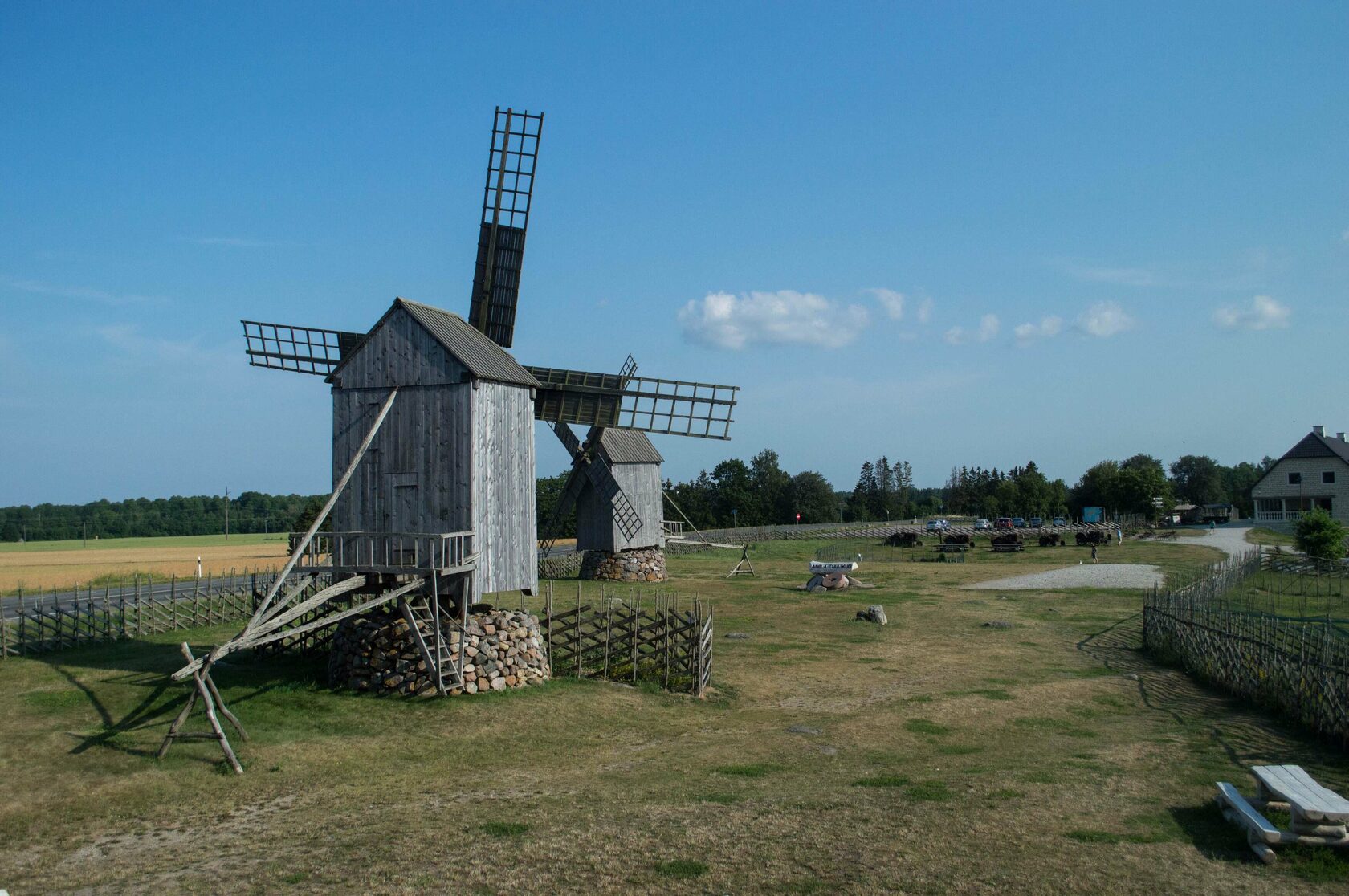
Estonian culture, nestled in the heart of the Baltic region, is a rich tapestry of traditions, folklore, and resilience. Shaped by centuries of historical influences and a deep connection to nature, Estonia's cultural identity reflects both its unique heritage and its dynamic modern spirit.
What is the main culture of Estonia?
Estonia's cultural tapestry is woven with threads of indigenous heritage, prominently embodied in the Finnic national language, Estonian. This intricate mosaic is further enriched by the interplay of Nordic and German cultural influences, with the latter leaving a significant imprint on the country's cultural landscape. The unique blend of Finnic roots and Germanic impact contributes to the distinct character of Estonian culture, forming a captivating narrative shaped by centuries of historical intersections.
Does Estonia have Scandinavian culture?
In short, Estonia is not considered Scandinavian in the strict geographical sense, as Scandinavia traditionally comprises Norway, Sweden, and Denmark. The term is sometimes informally extended to include Finland and Iceland but is more accurately described by "Nordic." Estonia, while not typically included in either category, shares cultural affinities with Finland and, to some extent, Sweden. The historical ties to Sweden and Denmark, reflected in Estonia's national flag origin, have led to occasional efforts to position Estonia as a Nordic country, aiming to distinguish itself from Eastern or post-Soviet associations.
Estonian ancient culture
Estonian ancient culture is deeply rooted in the country's extensive history, dating back to the presence of Finno-Ugric tribes that have inhabited the region for millennia. Steeped in mythology and folklore, Estonia's cultural identity is characterized by a rich tapestry of traditional music, dance, and pagan influences. The tales of mythical creatures and ancient legends have been passed down through generations, shaping the unique cultural heritage that distinguishes Estonia and reflects its enduring connection to the land and its people.
Symbolism in Estonian culture
The symbolism embedded in Estonian culture is vividly represented through its national flag, coat of arms, and a selection of emblematic creatures and elements. The Estonian flag, composed of equal horizontal bands of blue, black, and white, serves as a powerful national and state symbol, embodying the nation's identity. The national coat of arms, available in grand and small forms, features three blue lions passant guardant on a golden shield, adorned with golden oak branches.
Beyond these state symbols, Estonia boasts a diverse array of national representations. The barn swallow, designated as the national bird in 1962, and the cornflower, chosen as the national flower in 1968, were officially endorsed as national symbols in 1988. Limestone, selected as the national stone in 1992, adds a geological dimension to Estonia's symbolism. The Baltic herring, declared the national fish in 2007, and the swallowtail, appointed the national butterfly in 2017 through a public poll, contribute to the country's vibrant natural symbolism.
In 2018, the wolf earned the distinction of being Estonia's national animal, further enriching the tapestry of symbols that reflect the country's cultural and natural heritage.
Beyond these state symbols, Estonia boasts a diverse array of national representations. The barn swallow, designated as the national bird in 1962, and the cornflower, chosen as the national flower in 1968, were officially endorsed as national symbols in 1988. Limestone, selected as the national stone in 1992, adds a geological dimension to Estonia's symbolism. The Baltic herring, declared the national fish in 2007, and the swallowtail, appointed the national butterfly in 2017 through a public poll, contribute to the country's vibrant natural symbolism.
In 2018, the wolf earned the distinction of being Estonia's national animal, further enriching the tapestry of symbols that reflect the country's cultural and natural heritage.
Estonian family culture
Estonian families are characterized by their small and tight-knit structure, forming the focal point of social life. While extended family members often reside separately, frequent visits are customary. The typical household comprises a father, mother, and one or two children, occasionally including grandparents. Despite variations in domestic arrangements, the traditional nuclear family remains the fundamental social unit. Single-parent families are increasingly prevalent.
While children hold significance in Estonian society, some couples opt not to have children, a choice accepted by the community. Among those who do, there's no strong preference for boys over girls, and gender order is not a determining factor in families with multiple children. Abortion, available upon request, is destigmatized in Estonia. While parental consent is required for girls under 16, the procedure is regulated to be performed in licensed institutions.
Mothers typically care for very young children, and those returning to work may seek assistance from grandparents. School-age children often manage themselves until their parents return home. Both parents actively participate in decision-making for their children, and financial contributions to the family income are commonly shared.
Estonian children may contribute to household chores, assist with shopping and pet care, or, in rural areas, help with farm work. Despite these responsibilities, a child's primary duty is attending school. In urban settings, families may not have formal meals during the week due to time constraints, but shared meals are a regular weekend activity. Common leisure pursuits for Estonian families include watching TV, attending theaters or movies, gardening, and visiting relatives.
Divorce is commonplace in Estonia, with second and third marriages being typical. Family law grants equal custodial rights to both parents post-divorce, although mothers often receive custody. While the duty to elderly parents is less clearly defined than in some cultures, Estonian families commonly provide care for their elderly relatives.
While children hold significance in Estonian society, some couples opt not to have children, a choice accepted by the community. Among those who do, there's no strong preference for boys over girls, and gender order is not a determining factor in families with multiple children. Abortion, available upon request, is destigmatized in Estonia. While parental consent is required for girls under 16, the procedure is regulated to be performed in licensed institutions.
Mothers typically care for very young children, and those returning to work may seek assistance from grandparents. School-age children often manage themselves until their parents return home. Both parents actively participate in decision-making for their children, and financial contributions to the family income are commonly shared.
Estonian children may contribute to household chores, assist with shopping and pet care, or, in rural areas, help with farm work. Despite these responsibilities, a child's primary duty is attending school. In urban settings, families may not have formal meals during the week due to time constraints, but shared meals are a regular weekend activity. Common leisure pursuits for Estonian families include watching TV, attending theaters or movies, gardening, and visiting relatives.
Divorce is commonplace in Estonia, with second and third marriages being typical. Family law grants equal custodial rights to both parents post-divorce, although mothers often receive custody. While the duty to elderly parents is less clearly defined than in some cultures, Estonian families commonly provide care for their elderly relatives.
Estonian food culture
Traditionally, Estonians were predominantly peasant farmers, cultivating their crops and raising cattle, resulting in a diet that was more modest than diverse. Cooking focused on efficiency, often involving large pots for communal family meals. Estonia's four distinct seasons significantly influenced eating habits, with spring emphasizing milk and dairy products due to the scarcity of meat.
Throughout history, Estonian culinary culture experienced shifts, notably influenced by manor cooking in the mid-19th century. The introduction of stoves and potatoes marked significant additions to local cuisine. Before potatoes, staples included bread, swedes, cabbage, turnips, peas, and lentils. The Industrial Revolution in the early 20th century prompted peasants to migrate to cities, altering their food variety and eating patterns. The establishment of the first Estonian republic ushered in a culinary golden era, with grocery stores, markets, and Estonian-run cafes and restaurants becoming prominent.
The aftermath of World War II brought stagnation to Estonian culinary culture, characterized by uniform canteen offerings. It wasn't until the restoration of the republic that culinary innovation resurged. Post-border reopening, Estonia embraced new flavors, ingredients, and cooking techniques, welcoming chefs from other countries. This era laid the foundation for the current generation of esteemed chefs.
Entering the new century, Estonia embraced culinary evolution, incorporating diverse ingredients, techniques, and technologies. The country now boasts a rich culinary landscape with a focus on local ingredients, talented chefs, and unique eateries, bridging the gap between tradition and global influences.
Throughout history, Estonian culinary culture experienced shifts, notably influenced by manor cooking in the mid-19th century. The introduction of stoves and potatoes marked significant additions to local cuisine. Before potatoes, staples included bread, swedes, cabbage, turnips, peas, and lentils. The Industrial Revolution in the early 20th century prompted peasants to migrate to cities, altering their food variety and eating patterns. The establishment of the first Estonian republic ushered in a culinary golden era, with grocery stores, markets, and Estonian-run cafes and restaurants becoming prominent.
The aftermath of World War II brought stagnation to Estonian culinary culture, characterized by uniform canteen offerings. It wasn't until the restoration of the republic that culinary innovation resurged. Post-border reopening, Estonia embraced new flavors, ingredients, and cooking techniques, welcoming chefs from other countries. This era laid the foundation for the current generation of esteemed chefs.
Entering the new century, Estonia embraced culinary evolution, incorporating diverse ingredients, techniques, and technologies. The country now boasts a rich culinary landscape with a focus on local ingredients, talented chefs, and unique eateries, bridging the gap between tradition and global influences.
Estonian food culture: garlic
In Estonian food culture, garlic plays a prominent role as a versatile and aromatic ingredient, contributing to the rich flavors of traditional dishes. Widely used in stews, soups, and sauces, garlic imparts a distinctive taste to meats, potatoes, and vegetables. Its presence is especially notable in marinades for barbecues, adding a pungent and savory dimension to grilled meats. Additionally, garlic features prominently in sauces and dressings, enhancing the overall culinary experience in Estonian cuisine.
Sauna culture of Estonia
The tradition of medicinal baths and health resorts has been deeply ingrained in Estonian culture for over two centuries, while the sauna tradition predates this by several centuries, with the first written records dating back to the 13th century. Saunas were historically versatile spaces, serving as birthing rooms due to their cleanliness, attending to the ill, and even functioning as smokehouses, contributing to the development of the smoke sauna tradition in southern Estonia.
Even in contemporary times, the sauna remains a crucial aspect of Estonian identity. It is customary for new households to prioritize building a sauna, and daily life often revolves around this cultural institution. While modern practices have shifted, with births and deaths no longer occurring in saunas, these spaces continue to hold significance in everyday life. The phrase "Laupäev on saunapäev," translating to "Saturday is sauna day," emphasizes the enduring importance of saunas in Estonian culture.
Sauna sessions in Estonia are not confined to a particular season; locals indulge in this tradition throughout the year. While traditional sauna evenings are observed on Thursdays, Saturdays, and the night before major holidays, such as Christmas Eve, New Year's Eve, or Jaanipäev (June 23rd), the sauna is a flexible setting for various celebrations. Family gatherings, birthdays, or simply inventing a reason are all acceptable occasions to partake in this cherished tradition.
Even in contemporary times, the sauna remains a crucial aspect of Estonian identity. It is customary for new households to prioritize building a sauna, and daily life often revolves around this cultural institution. While modern practices have shifted, with births and deaths no longer occurring in saunas, these spaces continue to hold significance in everyday life. The phrase "Laupäev on saunapäev," translating to "Saturday is sauna day," emphasizes the enduring importance of saunas in Estonian culture.
Sauna sessions in Estonia are not confined to a particular season; locals indulge in this tradition throughout the year. While traditional sauna evenings are observed on Thursdays, Saturdays, and the night before major holidays, such as Christmas Eve, New Year's Eve, or Jaanipäev (June 23rd), the sauna is a flexible setting for various celebrations. Family gatherings, birthdays, or simply inventing a reason are all acceptable occasions to partake in this cherished tradition.
Estonian culture on Reddit
Jack from Tallinn says: "A broad observation suggests that younger individuals tend to smile more, while older generations often carry a more serious demeanor, having weathered various life experiences.
Expressions of humility are valued in Estonian culture, and ostentatious behavior is generally frowned upon, possibly leading to subtle ridicule behind closed doors.
Estonians, in general, may not possess extensive knowledge about Latvian or Lithuanian cultures. While there is shared history, familiarity with specific cultural nuances is limited. The concept of a unified "Baltic identity" is considered a myth, and during a stay in Tallinn, encounters with individuals from Latvia or Lithuania were relatively rare, contrasting with a more diverse mix of people from various countries."
Expressions of humility are valued in Estonian culture, and ostentatious behavior is generally frowned upon, possibly leading to subtle ridicule behind closed doors.
Estonians, in general, may not possess extensive knowledge about Latvian or Lithuanian cultures. While there is shared history, familiarity with specific cultural nuances is limited. The concept of a unified "Baltic identity" is considered a myth, and during a stay in Tallinn, encounters with individuals from Latvia or Lithuania were relatively rare, contrasting with a more diverse mix of people from various countries."