
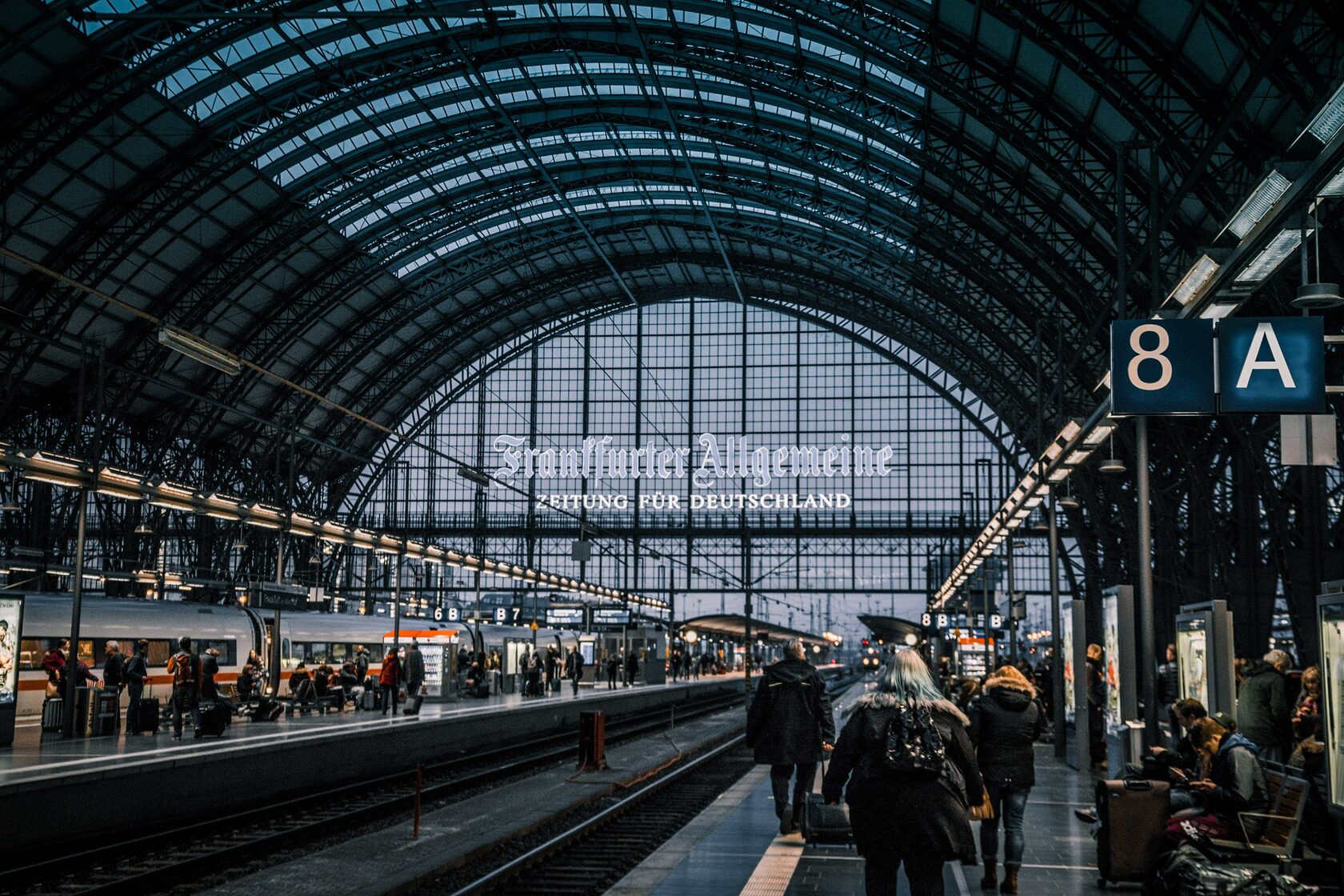
Moving to Germany is an exciting journey that promises a blend of rich history, cultural diversity, and economic opportunities.
How to plan moving to Germany?
Explore the fundamentals of Germany to gain a foundational understanding of the country. Assess the suitability of relocating to Germany based on your specific needs. Determine the ideal location for your new home. Develop a budget that aligns with the cost of living in Germany. Familiarize yourself with the requirements for obtaining German residence. Begin the search for suitable housing in your chosen area. Facilitate the translation and legalization of necessary documents. Secure health insurance coverage for your time in Germany. Finalize travel arrangements, including acquiring tickets to Germany. Complete the mandatory registration process at the Town Hall. Open a German bank account to streamline financial transactions. Initiate the application process for your residence permit. Address the conversion of your driver's license to comply with German regulations. If you have a pet, make preparations for their relocation to Germany.
Moving from Poland to Germany
Given Germany's workforce shortage of over 40%, many foreigners are actively seeking employment opportunities in the country and considering a permanent move. The key requirement for employment is a work permit, which comes in various types based on qualifications and job types, such as the EU Blue Card, permit for highly qualified workers, and freelancers' work permit.
The following permit options are relatively straightforward to obtain:
In addition to the work permit, obtaining health insurance is crucial for the relocation process.
Duration of Stay: A visa or residence permit for skilled work is typically issued for a maximum of four years, aligned with the duration of the employment contract.
Moving with Family: For third-country nationals residing in Germany who wish to bring their families, German immigration authorities support family reunification through a special visa. Successful family moves require the resident in Germany to have a permanent residence permit, a sufficient salary to support the family, and proficiency in the German language. Family members must demonstrate ties with the expatriate and possess at least basic German language skills. Children under 16 can join their parents without additional requirements, while those aged 16-18 need to be unmarried and fluent in German to obtain a family reunification visa.
The following permit options are relatively straightforward to obtain:
- Visa for Highly Qualified Workers: A relatively easy route for relocation to Germany, this visa is accessible to those with professions in demand (e.g., IT specialists, lawyers, doctors). To secure this permit, expatriates need a job offer from a German employer and must submit the required documents for a work visa.
- Freelancer Visa: Available to most foreigners, obtaining this permit requires demonstrating a demand for your services in Germany.
- Job Seeker's Visa: This long-term residence permit allows foreigners to move to Germany and search for a job within six months. This option facilitates attending interviews in person, which is advantageous compared to applying for jobs from abroad. Applying for a job seeker's visa takes 4-6 months, so early application is recommended.
In addition to the work permit, obtaining health insurance is crucial for the relocation process.
Duration of Stay: A visa or residence permit for skilled work is typically issued for a maximum of four years, aligned with the duration of the employment contract.
Moving with Family: For third-country nationals residing in Germany who wish to bring their families, German immigration authorities support family reunification through a special visa. Successful family moves require the resident in Germany to have a permanent residence permit, a sufficient salary to support the family, and proficiency in the German language. Family members must demonstrate ties with the expatriate and possess at least basic German language skills. Children under 16 can join their parents without additional requirements, while those aged 16-18 need to be unmarried and fluent in German to obtain a family reunification visa.
Moving to Germany from Canada
If you are planning to move to Germany and need to apply for a visa, the initial step involves scheduling an appointment at the German Consulate General in Toronto through their official website. It's important to note that the earliest permissible time to initiate the visa application process is three months before your intended departure.
On the designated appointment day, a personal visit is mandatory. During this visit, you'll be required to submit the necessary documents, pay the visa fee, provide biometric data, and respond to inquiries pertaining to your application.
Following the submission, the consulate will meticulously assess your application and inform you of their decision once reached. The processing duration typically spans from 4 to 12 weeks, contingent upon the specific type of visa you are applying for. Once finalized, they will return your passport via the Canada Xpresspost envelope you had previously provided.
Your issued visa will specify the permitted duration of stay in Germany, extending until the point when you can apply for a residence permit at the local registration office.
On the designated appointment day, a personal visit is mandatory. During this visit, you'll be required to submit the necessary documents, pay the visa fee, provide biometric data, and respond to inquiries pertaining to your application.
Following the submission, the consulate will meticulously assess your application and inform you of their decision once reached. The processing duration typically spans from 4 to 12 weeks, contingent upon the specific type of visa you are applying for. Once finalized, they will return your passport via the Canada Xpresspost envelope you had previously provided.
Your issued visa will specify the permitted duration of stay in Germany, extending until the point when you can apply for a residence permit at the local registration office.
Moving to Germany from Nigeria
Several Nigerians and foreigners relocate to Germany for various reasons, such as pursuing studies, seeking employment opportunities, tourism, or marriage. It's essential to obtain a visa before entry, regardless of the purpose or duration of the stay. The consulate issues different types of visas for those intending to work, visit, or study in Germany.
Work Visa: This visa is granted to individuals planning to work and reside in Germany. Notably, the Blue Card is available for those with a university degree and a job offer meeting specific salary criteria. Other categories include academic and non-academic job seekers.
Study Visa: Issued to international students who have secured admission to a German university or can demonstrate sufficient funds to support themselves.
Marriage and Family Reunion: For those moving due to marriage or to join family, applicants must be above 18 and capable of independently supporting themselves and their partner.
Residence Permit Documents: To obtain a residence permit for an extended stay, applicants typically need to provide documents such as a passport, biometric passport photo, filled application form, proof of financial means, and documents related to the purpose of entry (e.g., admission letter, employment letter, or marriage certificate).
Application Process: Applying for a German visa from Nigeria involves visiting the German consulate in Lagos or Abuja. A verification fee is applicable, with different rates for residents of specific northern states.
Work Visa: This visa is granted to individuals planning to work and reside in Germany. Notably, the Blue Card is available for those with a university degree and a job offer meeting specific salary criteria. Other categories include academic and non-academic job seekers.
Study Visa: Issued to international students who have secured admission to a German university or can demonstrate sufficient funds to support themselves.
Marriage and Family Reunion: For those moving due to marriage or to join family, applicants must be above 18 and capable of independently supporting themselves and their partner.
Residence Permit Documents: To obtain a residence permit for an extended stay, applicants typically need to provide documents such as a passport, biometric passport photo, filled application form, proof of financial means, and documents related to the purpose of entry (e.g., admission letter, employment letter, or marriage certificate).
Application Process: Applying for a German visa from Nigeria involves visiting the German consulate in Lagos or Abuja. A verification fee is applicable, with different rates for residents of specific northern states.
Moving to Germany from Ireland
In this comprehensive guide, we will lead you through 14 straightforward steps to ensure a seamless transition from Ireland to Germany. From grasping the essentials of German culture to navigating the intricacies of residence permits and securing suitable housing, we've got your move covered.
Step 1: Learn the basics about Germany To fully immerse yourself in your new life in Germany, acquaint yourself with German culture, language, and climate. This knowledge will facilitate a smooth settling-in process and help you connect with the locals.
Step 2: Check if moving to Germany aligns with your needs Before embarking on this exciting journey, evaluate if Germany aligns with your personal and professional goals. Consider factors such as job prospects, lifestyle preferences, and social opportunities.
Step 3: Figure out where you want to live Germany offers a diverse array of cities and regions, each with its unique charm. Determine the location that best suits your preferences, whether it's the vibrant city life of Berlin or the scenic beauty of Munich.
Step 4: Prepare a budget that fits the cost of living Understanding the cost of living in Germany is crucial for financial planning. Create a realistic budget covering accommodation, transportation, and daily expenses for a comfortable transition.
Step 5: Find out the requirements to get a German residence Obtaining a German residence permit is a key step in formalizing your move. Familiarize yourself with the necessary documents and procedures to ensure a smooth application process.
Step 6: Search for housing Finding suitable accommodation is vital for your well-being. We'll guide you through the process of searching for housing options that meet your needs and provide tips for a successful rental application.
Step 7: Translate and legalize documents before arriving in Germany Streamline administrative processes by translating and legalizing important documents, including diplomas and birth certificates, before your arrival.
Step 8: Apply for health insurance Given Germany's world-class healthcare system, obtaining adequate health insurance is mandatory. We'll walk you through the process of selecting and applying for insurance that suits your needs.
Step 9: Wrap up and get your tickets to Germany As your departure date approaches, tie up loose ends in Ireland, handle pending commitments, inform relevant authorities about your move, and book your tickets to Germany.
Step 1: Learn the basics about Germany To fully immerse yourself in your new life in Germany, acquaint yourself with German culture, language, and climate. This knowledge will facilitate a smooth settling-in process and help you connect with the locals.
Step 2: Check if moving to Germany aligns with your needs Before embarking on this exciting journey, evaluate if Germany aligns with your personal and professional goals. Consider factors such as job prospects, lifestyle preferences, and social opportunities.
Step 3: Figure out where you want to live Germany offers a diverse array of cities and regions, each with its unique charm. Determine the location that best suits your preferences, whether it's the vibrant city life of Berlin or the scenic beauty of Munich.
Step 4: Prepare a budget that fits the cost of living Understanding the cost of living in Germany is crucial for financial planning. Create a realistic budget covering accommodation, transportation, and daily expenses for a comfortable transition.
Step 5: Find out the requirements to get a German residence Obtaining a German residence permit is a key step in formalizing your move. Familiarize yourself with the necessary documents and procedures to ensure a smooth application process.
Step 6: Search for housing Finding suitable accommodation is vital for your well-being. We'll guide you through the process of searching for housing options that meet your needs and provide tips for a successful rental application.
Step 7: Translate and legalize documents before arriving in Germany Streamline administrative processes by translating and legalizing important documents, including diplomas and birth certificates, before your arrival.
Step 8: Apply for health insurance Given Germany's world-class healthcare system, obtaining adequate health insurance is mandatory. We'll walk you through the process of selecting and applying for insurance that suits your needs.
Step 9: Wrap up and get your tickets to Germany As your departure date approaches, tie up loose ends in Ireland, handle pending commitments, inform relevant authorities about your move, and book your tickets to Germany.
Moving to Germany from India
Embarking on the process of relocating from India to Germany involves navigating through various steps, particularly concerning visas and permits:
Step 1: Understanding Visas and Residence Permits Visas serve as your initial gateway to becoming a German resident, enabling entry and temporary stays. Residence permits, on the other hand, offer extended durations and options for work or study.
Step 2: Visa Application Initiate the visa application process by visiting your local German embassy or consulate. This involves scheduling a visa appointment, preparing the necessary documents, and patiently awaiting the outcome.
Step 3: Acquiring a Temporary Residence Permit Upon arrival in Germany, transition from your study visa to a Temporary Residence Permit. This permit facilitates study, allows for part-time work, and opens avenues for post-study employment.
Step 4: Applying for a Permanent Residence Permit For those aiming to settle permanently in Germany, obtaining a long-term residence permit becomes crucial after a period of temporary residency.
Step 1: Understanding Visas and Residence Permits Visas serve as your initial gateway to becoming a German resident, enabling entry and temporary stays. Residence permits, on the other hand, offer extended durations and options for work or study.
Step 2: Visa Application Initiate the visa application process by visiting your local German embassy or consulate. This involves scheduling a visa appointment, preparing the necessary documents, and patiently awaiting the outcome.
Step 3: Acquiring a Temporary Residence Permit Upon arrival in Germany, transition from your study visa to a Temporary Residence Permit. This permit facilitates study, allows for part-time work, and opens avenues for post-study employment.
Step 4: Applying for a Permanent Residence Permit For those aiming to settle permanently in Germany, obtaining a long-term residence permit becomes crucial after a period of temporary residency.
Moving to Germany as a healthcare professional: nuances
In the German healthcare system, foreign nurses enjoy numerous job prospects, as there is a high demand for international applicants. Nursing is a valued career in Germany, offering stability and opportunities for growth.
There is a diverse range of employment opportunities for nurses in Germany, including hospitals, elderly care facilities, health centers, care facilities, specialty practices, outpatient care, and short-term care services. EU residents can work as nurses in Germany without a visa, while non-EU nationals can apply for a visa once they secure a working contract or apprenticeship.
There are three main routes to becoming a nurse in Germany:
Nursing Apprenticeship:
Recognition of Nursing Degree:
University Studies:
Germany's unique Ausbildung Program, or vocational training, combines theoretical learning with practical experience. This model, also known as the AZUBI/AUSBILDUNG Model, is structured, providing individuals with specialized skills and industry-specific knowledge.
Eligibility for the Program:
Nursing in Germany presents a growing opportunity amid shortages, with a demand for certified and skilled nurses. The German government actively encourages the recruitment of licensed nurses from other countries to address the increasing deficit, projected to reach 200,000 by 2030.
Salary ranges for nurses in Germany vary based on factors like background, education, and workplace. Recognition of nursing degrees by German authorities, effective communication skills in German (usually at B1 or A2 level), and official accreditation are essential requirements for Indian nurses seeking to work in Germany.
Top nursing schools in Germany, including Deggendorf Institute of Technology, Neubrandenburg University of Applied Sciences, and SRH University Heidelberg, offer high-quality training and have a strong reputation for research and preparing students for the job market.
There is a diverse range of employment opportunities for nurses in Germany, including hospitals, elderly care facilities, health centers, care facilities, specialty practices, outpatient care, and short-term care services. EU residents can work as nurses in Germany without a visa, while non-EU nationals can apply for a visa once they secure a working contract or apprenticeship.
There are three main routes to becoming a nurse in Germany:
Nursing Apprenticeship:
- Ideal for those without a nursing degree.
- Offers compensation during the program.
- Provides the opportunity to support oneself until finding a job in Germany.
Recognition of Nursing Degree:
- For those with a nursing degree.
- Involves applying for skill recognition in Germany.
- Allows immediate employment as a nurse.
University Studies:
- Involves attending university in Germany to study nursing.
Germany's unique Ausbildung Program, or vocational training, combines theoretical learning with practical experience. This model, also known as the AZUBI/AUSBILDUNG Model, is structured, providing individuals with specialized skills and industry-specific knowledge.
Eligibility for the Program:
- Qualification: 12th pass (with at least 60% marks in any stream).
- Age limit: Up to 30 years.
- Language requirement: B2 Level.
- Language certificate: TELC/Goethe/ÖSD.
- Trainee’s stipend: 58,000-1,26,000 INR (650 Euro to 1,400 Euro) per month.
Nursing in Germany presents a growing opportunity amid shortages, with a demand for certified and skilled nurses. The German government actively encourages the recruitment of licensed nurses from other countries to address the increasing deficit, projected to reach 200,000 by 2030.
Salary ranges for nurses in Germany vary based on factors like background, education, and workplace. Recognition of nursing degrees by German authorities, effective communication skills in German (usually at B1 or A2 level), and official accreditation are essential requirements for Indian nurses seeking to work in Germany.
Top nursing schools in Germany, including Deggendorf Institute of Technology, Neubrandenburg University of Applied Sciences, and SRH University Heidelberg, offer high-quality training and have a strong reputation for research and preparing students for the job market.
Moving to Germany with pets
Arranging for your pet's entry into Germany is a crucial step in your relocation process. The method will vary based on your point of origin, whether within Europe or from farther away. While driving is an option for those within Europe, many expats will likely use public transport or airplanes.
Pets are generally welcome on German public transport and can travel for free or at a reduced fare with a purchased train ticket. When flying, it's essential to inform the airline in advance and adhere to specific requirements.
For air travel, the airline typically requires a special container for the pet with ventilation and sufficient room for movement. The container should be labeled clearly, and provisions of food and water for the journey are necessary.
There is a limit of importing no more than five pet dogs, cats, and ferrets into Germany for non-commercial purposes.
Airline Pet Container Requirements: Airline regulations often mandate a special container for the pet, meeting ventilation and movement criteria. Popular carriers for pets include Sherpa, Bergan, and SturdiBag, provided they are the appropriate size.
Vaccinations for Pets: For cats and dogs entering Germany, early organization is crucial due to extensive paperwork. Rabies vaccination is a requirement, and proof of vaccination at least 21 days before the journey is necessary. There is a ban on bringing cats and dogs less than 15 weeks old into Germany.
Pets from countries with a high rabies incidence must undergo a Blood Titer Test one month after vaccination and three months before departure. Visible identification, such as a tattoo or microchip, is mandatory for travel.
EU Pet Passports: European Union pet owners must possess pet passports when traveling with their animals. These passports include microchip or tattoo numbers for identification, along with vaccination and clinical examination records.
Pet Insurance in Germany: Upon arrival in Germany, obtaining landlord permission is essential for keeping a pet in rented premises. Pet insurance is advisable, and several expat-friendly German insurance companies offer coverage, including DA Direkt, helden.de, and PETPROTECT.
Pet Behavior in Germany: Adhering to certain rules is essential, such as keeping dogs on a leash in specified areas. Owners must carry plastic bags for cleaning up after their dogs. In some cities, fines may be imposed for not following these rules.
Germany has specific dog laws, and certain breeds are restricted. Personal liability insurance for pet ownership is recommended, as pet owners are legally responsible for their animals' behavior.
Pets are generally welcome on German public transport and can travel for free or at a reduced fare with a purchased train ticket. When flying, it's essential to inform the airline in advance and adhere to specific requirements.
For air travel, the airline typically requires a special container for the pet with ventilation and sufficient room for movement. The container should be labeled clearly, and provisions of food and water for the journey are necessary.
There is a limit of importing no more than five pet dogs, cats, and ferrets into Germany for non-commercial purposes.
Airline Pet Container Requirements: Airline regulations often mandate a special container for the pet, meeting ventilation and movement criteria. Popular carriers for pets include Sherpa, Bergan, and SturdiBag, provided they are the appropriate size.
Vaccinations for Pets: For cats and dogs entering Germany, early organization is crucial due to extensive paperwork. Rabies vaccination is a requirement, and proof of vaccination at least 21 days before the journey is necessary. There is a ban on bringing cats and dogs less than 15 weeks old into Germany.
Pets from countries with a high rabies incidence must undergo a Blood Titer Test one month after vaccination and three months before departure. Visible identification, such as a tattoo or microchip, is mandatory for travel.
EU Pet Passports: European Union pet owners must possess pet passports when traveling with their animals. These passports include microchip or tattoo numbers for identification, along with vaccination and clinical examination records.
Pet Insurance in Germany: Upon arrival in Germany, obtaining landlord permission is essential for keeping a pet in rented premises. Pet insurance is advisable, and several expat-friendly German insurance companies offer coverage, including DA Direkt, helden.de, and PETPROTECT.
Pet Behavior in Germany: Adhering to certain rules is essential, such as keeping dogs on a leash in specified areas. Owners must carry plastic bags for cleaning up after their dogs. In some cities, fines may be imposed for not following these rules.
Germany has specific dog laws, and certain breeds are restricted. Personal liability insurance for pet ownership is recommended, as pet owners are legally responsible for their animals' behavior.
How to get ELStAM when first moving to Germany?
When moving to Germany, obtaining an ELStAM (Elektronische LohnSteuerAbzugsMerkmale) is crucial for proper income tax withholding. ELStAM is an electronic system that stores an individual's tax-relevant data, such as tax class, number of child allowances, and religious denomination. Here's a brief overview of how to get ELStAM when first moving to Germany:
It's worth noting that ELStAM is linked to your personal identification number (Steueridentifikationsnummer), which you receive upon registration in Germany. The information is then electronically transmitted to your employer, allowing them to deduct the correct amount of income tax from your salary each month.
- Registering at the Resident Registration Office (Anmeldung): Upon arriving in Germany, you must register your residence at the local Resident Registration Office (Einwohnermeldeamt or Bürgeramt). During this registration, you will receive a confirmation of registration (Meldebescheinigung). This document is essential for various administrative processes, including obtaining ELStAM.
- Providing Tax Information to the Employer: Your employer in Germany will use the information from your Meldebescheinigung to request your ELStAM from the tax authorities. Ensure that you provide accurate details, including your tax class, number of child allowances, and religious denomination. The tax class is particularly important, as it determines the amount of income tax deducted from your salary.
It's worth noting that ELStAM is linked to your personal identification number (Steueridentifikationsnummer), which you receive upon registration in Germany. The information is then electronically transmitted to your employer, allowing them to deduct the correct amount of income tax from your salary each month.
Moving to Germany on Reddit
Helen from NY says: "Moving to Germany has been both exciting and challenging. The prospect of immersing myself in a new culture, experiencing the rich history, and embracing a different way of life has filled me with anticipation. However, the process of adapting to a new environment, learning a new language, and navigating unfamiliar bureaucracies has posed its own set of challenges. Despite the initial hurdles, I am eager to embrace this new chapter in my life and look forward to the opportunities and adventures that await me in Germany."
Moving to Germany from Australia on Reddit
Bill from Sydney: "Relocating from Australia to Germany has brought about its own set of challenges and discoveries. In the quest for employment opportunities, I've found that Germans often turn to professional networking platforms like LinkedIn.com, as well as local job portals such as Stepstone.de and Indeed.de. Exploring the websites of potential employers, especially larger companies, is also a common practice.
The housing situation, particularly in major cities, has proven to be quite challenging. Websites like Immobilienscout24.de, Immowelt.de, and kleinanzeigen.de have become valuable resources in the search for apartments. Additionally, perusing small ads in local newspapers has proven fruitful.
One notable aspect of German life is the varying dependence on cars. While life in bigger cities often allows for convenient living without a car, the situation is different in the countryside, where having a car becomes more essential. Fortunately, navigating Germany by car is relatively straightforward. Train travel between cities is a popular option, though booking in advance is advisable to avoid hefty costs and potential delays. For those seeking a more budget-friendly alternative, long-distance buses are available, although they may come with trade-offs in terms of convenience. Adjusting to these aspects has been an integral part of my journey as I settle into the German way of life."
The housing situation, particularly in major cities, has proven to be quite challenging. Websites like Immobilienscout24.de, Immowelt.de, and kleinanzeigen.de have become valuable resources in the search for apartments. Additionally, perusing small ads in local newspapers has proven fruitful.
One notable aspect of German life is the varying dependence on cars. While life in bigger cities often allows for convenient living without a car, the situation is different in the countryside, where having a car becomes more essential. Fortunately, navigating Germany by car is relatively straightforward. Train travel between cities is a popular option, though booking in advance is advisable to avoid hefty costs and potential delays. For those seeking a more budget-friendly alternative, long-distance buses are available, although they may come with trade-offs in terms of convenience. Adjusting to these aspects has been an integral part of my journey as I settle into the German way of life."
Moving to the Netherlands vs Germany on Reddit
Kim from London says: "While I admired Germany for its affordability, superior housing quality, and a culture of honest directness, I struggled with a sense of integration. Despite being fluent in German, I often found it challenging to truly feel like part of the community. The sense of belonging eluded me, and I occasionally sensed the gaze of others, making me feel like an outsider.
Contrastingly, my experience in the Netherlands has been marked by a greater ease in blending in. The country's higher diversity and the presence of numerous foreigners have made me feel less like an outsider, fostering a sense of inclusivity. Even though my love for Germany remains strong, there's an elusive quality to the country that makes the integration process remarkably challenging. The Netherlands, with its diversity and welcoming atmosphere, has provided a different sense of belonging that resonates with me."
Contrastingly, my experience in the Netherlands has been marked by a greater ease in blending in. The country's higher diversity and the presence of numerous foreigners have made me feel less like an outsider, fostering a sense of inclusivity. Even though my love for Germany remains strong, there's an elusive quality to the country that makes the integration process remarkably challenging. The Netherlands, with its diversity and welcoming atmosphere, has provided a different sense of belonging that resonates with me."