
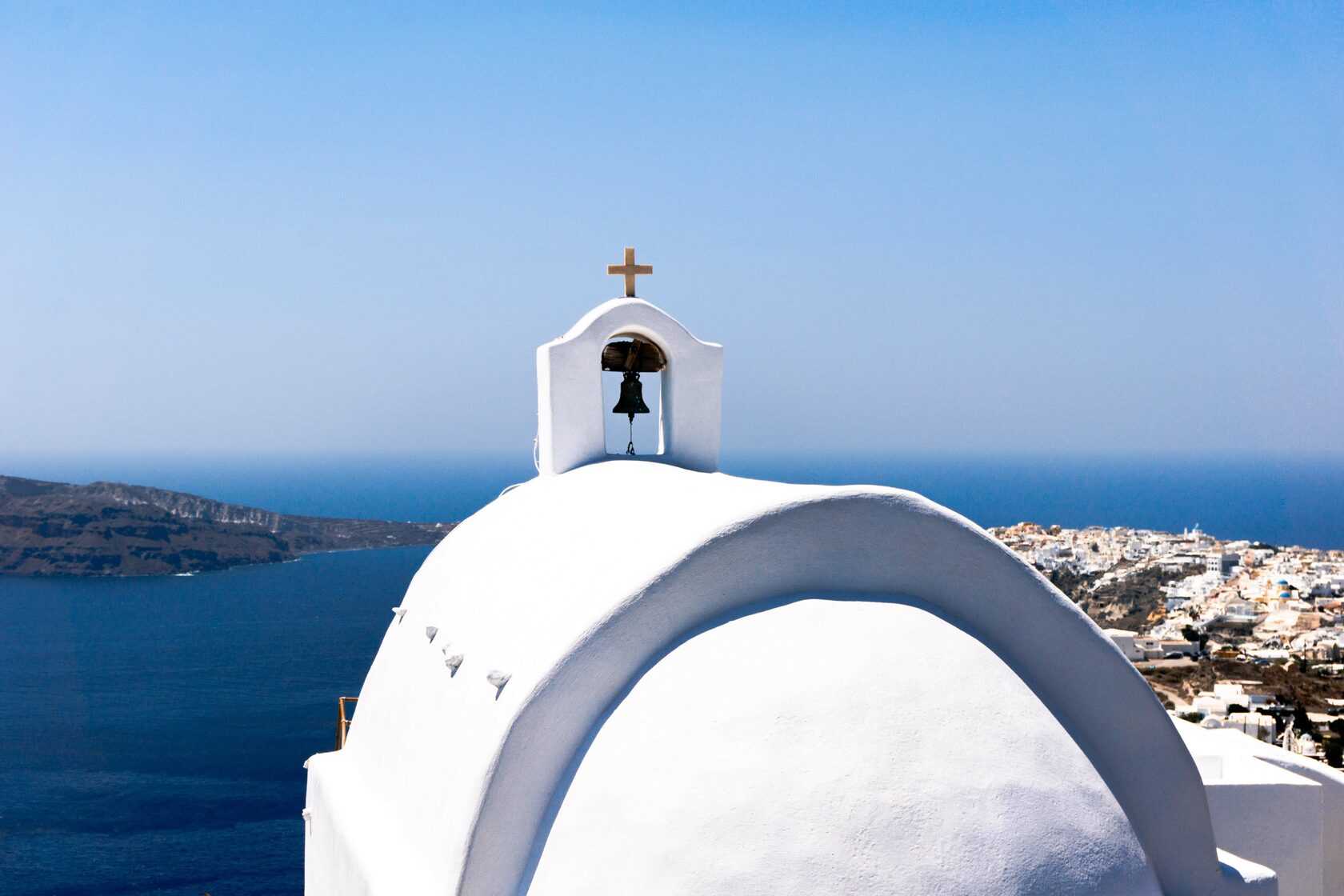
Today, we'll delve into the intriguing realm of Greece's rich religious heritage, exploring its historical significance and enduring cultural impact.
Religion in Ancient Greece
Ancient Greek religion existed as a polytheistic system devoid of a centralized doctrine, formalized institutions, or ordained clergy. With diverse regional variations, fragmented evidence, and interpretative challenges, absolutes about Greek religious practices remain elusive. Viewing nature and life as inherently intertwined with the divine, the Greeks considered honoring gods and heroes a fundamental necessity, defining their religion as deeply "embedded" in all aspects of existence.
In the absence of authoritative texts, Ancient Greeks lacked prescribed beliefs and professional priests. Instead, religious understanding was cultivated through rituals, festivals, sacrifices, prayers, and adherence to purifications. Terms like thrēskeia and thrēskeuō loosely paralleled the concept of "religion," emphasizing worship practices. Without a script or clergy, Greeks learned about their gods through immersive experiences, witnessing parental rites, participating in processions, and engaging in communal festivities.
The gods were omnipresent in Greek culture, reflected in literature, art, statues, and sacred spaces. The absence of a predetermined theology allowed for a flexible interpretation of divine actions, attributing benevolence to proper worship and calamities to divine displeasure. Ancestral gods and traditional worship practices constituted the foundational elements of Greek religiosity.
In the absence of authoritative texts, Ancient Greeks lacked prescribed beliefs and professional priests. Instead, religious understanding was cultivated through rituals, festivals, sacrifices, prayers, and adherence to purifications. Terms like thrēskeia and thrēskeuō loosely paralleled the concept of "religion," emphasizing worship practices. Without a script or clergy, Greeks learned about their gods through immersive experiences, witnessing parental rites, participating in processions, and engaging in communal festivities.
The gods were omnipresent in Greek culture, reflected in literature, art, statues, and sacred spaces. The absence of a predetermined theology allowed for a flexible interpretation of divine actions, attributing benevolence to proper worship and calamities to divine displeasure. Ancestral gods and traditional worship practices constituted the foundational elements of Greek religiosity.
When did mystery religions in Greece appear?
Mystery religions in ancient Greece were characterized by secretive rituals, initiation ceremonies, and a focus on spiritual enlightenment and personal salvation. One of the earliest and most prominent mystery cults was the Eleusinian Mysteries, established in Eleusis near Athens. The exact date of its origin is uncertain, but it is believed to have started in the 7th or 6th centuries BCE.
The Eleusinian Mysteries revolved around the worship of Demeter, the goddess of agriculture, and her daughter Persephone, who symbolized the cycle of life, death, and rebirth. The central event was the annual initiation ceremony, where participants underwent sacred rites, including the consumption of a special drink called kykeon. These mysteries promised a favorable afterlife and were open to both men and women, citizens and foreigners.
Other mystery cults emerged in subsequent centuries, such as the cult of Dionysus, Orphism, and the cult of Cybele. These mystery religions provided a more personal and emotional connection to the divine, offering a sense of spiritual fulfillment and the hope of a better existence beyond the mortal realm.
The Eleusinian Mysteries revolved around the worship of Demeter, the goddess of agriculture, and her daughter Persephone, who symbolized the cycle of life, death, and rebirth. The central event was the annual initiation ceremony, where participants underwent sacred rites, including the consumption of a special drink called kykeon. These mysteries promised a favorable afterlife and were open to both men and women, citizens and foreigners.
Other mystery cults emerged in subsequent centuries, such as the cult of Dionysus, Orphism, and the cult of Cybele. These mystery religions provided a more personal and emotional connection to the divine, offering a sense of spiritual fulfillment and the hope of a better existence beyond the mortal realm.
What religion is Greece now?
The Church of Greece, affiliated with the Eastern Orthodox Communion, holds the constitutional status of the "prevailing religion" in Greece since 1850. This recognition is rooted in the church's historical role in preserving Greek identity during the Ottoman Empire and its contribution to the Greek War of Independence. The Orthodox clergy receives salaries and pensions from the State, similar to those of teachers, and Christian Orthodox instruction is mandatory in primary and secondary schools, with exemptions granted upon parental request.
Others Greece religions: percentage
Approximately 81 to 90 percent of the population in Greece identifies with Greek Orthodox Christianity, while 4 to 15 percent declare atheism, and around 2 percent follow Islam.
Did Greece have freedom of religion?
The constitution of Greece ensures the inviolability of freedom of religious conscience and allows freedom of worship with certain restrictions. "Proselytizing," defined as attempting to intrude on the religious beliefs of individuals with the aim of undermining those beliefs, is prohibited but infrequently enforced. Worship is restricted if it jeopardizes public order or offends moral principles. The constitution permits prosecutors to seize publications that "offend Christianity" or other recognized religions, defined as groups with at least one valid permit to operate a place of prayer or worship.