
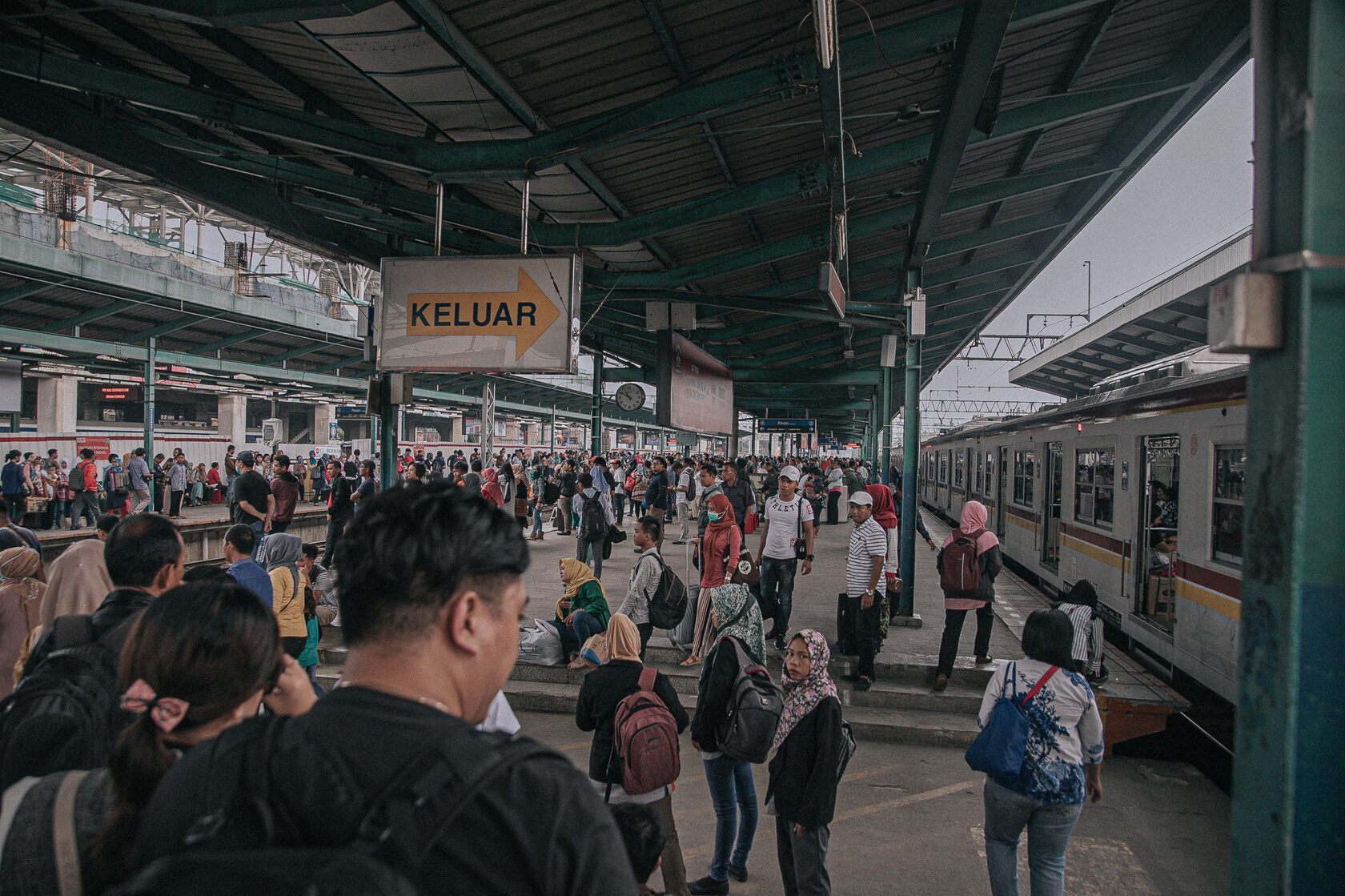
Let's talk about the language in Indonesia.
How many languages in Indonesia?
Indonesia boasts a rich linguistic tapestry, with over 700 living languages spoken across the archipelago. This substantial number positions Indonesia as a hub of linguistic diversity, encompassing approximately 10% of the world's languages and earning it the distinction of being the second most linguistically diverse nation globally, following Papua New Guinea.
The majority of these languages fall within the Austronesian language family, while eastern Indonesia alone hosts over 270 Papuan languages. To facilitate the classification of this linguistic diversity, Indonesia's languages are organized into nine distinct categories: the national language, locally used indigenous languages, regional lingua francas, foreign and additional languages, heritage languages, languages within the religious domain, English as a lingua franca, and sign languages.
The majority of these languages fall within the Austronesian language family, while eastern Indonesia alone hosts over 270 Papuan languages. To facilitate the classification of this linguistic diversity, Indonesia's languages are organized into nine distinct categories: the national language, locally used indigenous languages, regional lingua francas, foreign and additional languages, heritage languages, languages within the religious domain, English as a lingua franca, and sign languages.
Language in Indonesia: history and facts
During the early kingdoms era in Indonesia, the region witnessed the development of various native writing systems, such as the Rencong alphabet found in central and South Sumatra. The Rencong alphabet was used to convey messages, as seen in the inscription that Voorhoeve translated, reflecting emotions and communication in the region.
The Kedukan Bukit Inscription, written in the Pallava script, stands as the oldest surviving specimen of the Old Malay language. This language, with roots tracing back to the 7th century, served as a lingua franca in the Indonesian archipelago for centuries. The inscription exemplifies the historical significance of Old Malay, notably used by the Srivijayan empire.
Srivijaya played a crucial role in the widespread use of Old Malay, leveraging its economic power and military influence to make it the working language of traders across the Malay Archipelago. The language became a lingua franca, facilitating communication in various ports and marketplaces.
The influence of Dutch and Javanese during the colonial era shaped the development of Indonesian, creating a distinct linguistic identity. Indonesian, a variety of the pluricentric Malay language, differs from Malaysian Malay in pronunciation and vocabulary due to these external influences. The colonial period also saw the emergence of Melayu pasar, the lingua franca of the archipelago, which indirectly influenced Indonesian.
The Dutch colonial administration initially adopted Malay as the administrative language, but Dutch remained the language of a small elite. The use of Indonesian expanded slowly, and Dutch attempts to counteract the spread of Malay through education came too late. During the Japanese occupation in 1942, Indonesian became the official language, replacing Dutch, and continued its journey towards national recognition.
The adoption of Indonesian as the national language in 1945 marked a departure from the norm, as it was not the language with the most native speakers (Javanese) or the former colonial language (Dutch). The pragmatic choice of Indonesian, spoken by a significant portion of the population and rooted in historical usage, aimed at fostering national unity.
Post-independence, Indonesian underwent language planning to solidify its role in politics, education, and nation-building. Presidents Sukarno and Suharto emphasized Indonesian as a unifying force, making it an integral part of the nation's identity. Today, Indonesian functions as a mother tongue and national language, playing a vital role in unifying a diverse population of over 200 million people.
The Kedukan Bukit Inscription, written in the Pallava script, stands as the oldest surviving specimen of the Old Malay language. This language, with roots tracing back to the 7th century, served as a lingua franca in the Indonesian archipelago for centuries. The inscription exemplifies the historical significance of Old Malay, notably used by the Srivijayan empire.
Srivijaya played a crucial role in the widespread use of Old Malay, leveraging its economic power and military influence to make it the working language of traders across the Malay Archipelago. The language became a lingua franca, facilitating communication in various ports and marketplaces.
The influence of Dutch and Javanese during the colonial era shaped the development of Indonesian, creating a distinct linguistic identity. Indonesian, a variety of the pluricentric Malay language, differs from Malaysian Malay in pronunciation and vocabulary due to these external influences. The colonial period also saw the emergence of Melayu pasar, the lingua franca of the archipelago, which indirectly influenced Indonesian.
The Dutch colonial administration initially adopted Malay as the administrative language, but Dutch remained the language of a small elite. The use of Indonesian expanded slowly, and Dutch attempts to counteract the spread of Malay through education came too late. During the Japanese occupation in 1942, Indonesian became the official language, replacing Dutch, and continued its journey towards national recognition.
The adoption of Indonesian as the national language in 1945 marked a departure from the norm, as it was not the language with the most native speakers (Javanese) or the former colonial language (Dutch). The pragmatic choice of Indonesian, spoken by a significant portion of the population and rooted in historical usage, aimed at fostering national unity.
Post-independence, Indonesian underwent language planning to solidify its role in politics, education, and nation-building. Presidents Sukarno and Suharto emphasized Indonesian as a unifying force, making it an integral part of the nation's identity. Today, Indonesian functions as a mother tongue and national language, playing a vital role in unifying a diverse population of over 200 million people.
Some facts
The Indonesian writing system, known as "Ejaan Yang Disempurnakan," is simple and phonetic. Consisting of 26 letters, it follows a consistent pronunciation pattern, making it relatively easy to learn and read.
Indonesian has a rich linguistic heritage, evident in its borrowing of words from various languages. Historical interactions with Dutch, Arabic, Sanskrit, Portuguese, Chinese, and English have led to the incorporation of loan words, adding diversity to the language.
Indonesian has a rich linguistic heritage, evident in its borrowing of words from various languages. Historical interactions with Dutch, Arabic, Sanskrit, Portuguese, Chinese, and English have led to the incorporation of loan words, adding diversity to the language.
What language do they speak in Indonesia?
The designated official language of Indonesia is Indonesian, locally referred to as bahasa Indonesia. It stands as a standardized version of Malay and serves as the widely accepted lingua franca across the archipelago. Indonesian's vocabulary is notably enriched by influences from regional languages within Indonesia.
Indonesian holds a prominent role in numerous aspects of daily life, including commerce, administration, education, and media. Consequently, a significant majority of Indonesians possess varying degrees of proficiency in the language. However, it is essential to acknowledge the prevalence of plurilingualism in Indonesia, as many individuals have other languages, such as Javanese, as their primary means of communication.
Indonesian holds a prominent role in numerous aspects of daily life, including commerce, administration, education, and media. Consequently, a significant majority of Indonesians possess varying degrees of proficiency in the language. However, it is essential to acknowledge the prevalence of plurilingualism in Indonesia, as many individuals have other languages, such as Javanese, as their primary means of communication.
What is the other language of Indonesia?
ndonesia is a diverse country with a vast array of ethnic groups and languages. Apart from Indonesian, there are several regional languages spoken across the archipelago. Some of the major regional languages include Javanese, Sundanese, Madurese, and Balinese, among others. These languages are often spoken within specific regions or ethnic communities in Indonesia.
Indonesian vs Malay language
Bahasa Indonesia and Malay (Bahasa Melayu) share a common linguistic origin, both belonging to the Austronesian language family spoken in Southeast Asia. The roots of Bahasa Indonesia can be traced back to the Malay language spoken in the Kepulauan Riau (Riau Islands) Province, while Malay (Bahasa Melayu) in Malaysia developed from the Malay Peninsula.
The decision to adopt a modified form of Malay from the Riau Islands as the basis for Bahasa Indonesia was a strategic move by Indonesia's founding fathers. This choice aimed to unify the diverse languages, cultures, ethnicities, and races within the country. The Youth Pledge on October 28, 1928, declared Bahasa Indonesia as the language of unity, officially to be used when Indonesia declared its independence.
Over time, Bahasa Indonesia underwent further development, evolving into a distinct language from its original Malay roots. Today, it serves as a lingua franca, facilitating communication among Indonesians across the nation's 17,000 islands.
The decision to adopt a modified form of Malay from the Riau Islands as the basis for Bahasa Indonesia was a strategic move by Indonesia's founding fathers. This choice aimed to unify the diverse languages, cultures, ethnicities, and races within the country. The Youth Pledge on October 28, 1928, declared Bahasa Indonesia as the language of unity, officially to be used when Indonesia declared its independence.
Over time, Bahasa Indonesia underwent further development, evolving into a distinct language from its original Malay roots. Today, it serves as a lingua franca, facilitating communication among Indonesians across the nation's 17,000 islands.
Is Indonesian language with Latin alphabet?
Yes, the Indonesian language, Bahasa Indonesia, uses the Latin alphabet. The writing system is based on the standard Latin script with a few additional characters, and it does not use traditional Indonesian scripts like Javanese or Balinese. The Latin alphabet used in Bahasa Indonesia consists of the following letters: A, B, C, D, E, F, G, H, I, J, K, L, M, N, O, P, Q, R, S, T, U, V, W, X, Y, and Z. Additionally, the language employs several diacritical marks, such as the acute accent (´) and the diaeresis (¨), to indicate certain pronunciation features.
Is Indonesian a hard language to learn?
For an English speaker aiming for conversational proficiency, the Foreign Service Institute (FSI) provides an estimated timeframe based on language categories:
Indonesian falls into Category III, making it one of the easier non-European languages for English speakers to learn, alongside Malaysian and Swahili.
- Category I (23-24 weeks, 575-600 hours): Languages closely related to English, such as Afrikaans, Dutch, Spanish, French, Italian, and Norwegian.
- Category II (30 weeks, 750 hours): Similar languages like German.
- Category III (36 weeks, 900 hours): Languages with linguistic and/or cultural differences from English, including Indonesian, Malaysian, and Swahili.
- Category IV (44 weeks, 1100 hours): Languages with significant differences from English, like Hebrew, Icelandic, Russian, Serbian, and Turkish.
- Category V (88 weeks, 2200 hours): Exceptionally challenging languages for native English speakers, such as Arabic, Mandarin, Cantonese, and Japanese.
Indonesian falls into Category III, making it one of the easier non-European languages for English speakers to learn, alongside Malaysian and Swahili.
How to learn Indonesian? Discussing on Reddit
Kim from Jakarta says: "Explore online language courses and utilize Anki decks to reinforce your learning. As you gain confidence, engage in conversations with family members in Indonesian Bahasa. Immersing yourself in the language proves to be the most effective method for mastery."
How easy is Indonesian? Discussing on Reddit
Olaf from Jakarta says: "As an Indonesian, the perception of Indonesian as an easy language might stem from its lack of past/present/perfect tenses, absence of gender-specific nouns, and the absence of plural-specific words. However, in practical terms, colloquial Indonesian used in daily conversations significantly differs from the textbook version. This discrepancy is largely influenced by the prevalence of local languages, which vary widely across Indonesia's numerous regions. The country boasts a multitude of local languages, making it common for individuals to be bilingual, with English often being the third language learned in school. Notably, Jakarta stands out as an exception, where many individuals primarily learn Indonesian during their upbringing."