
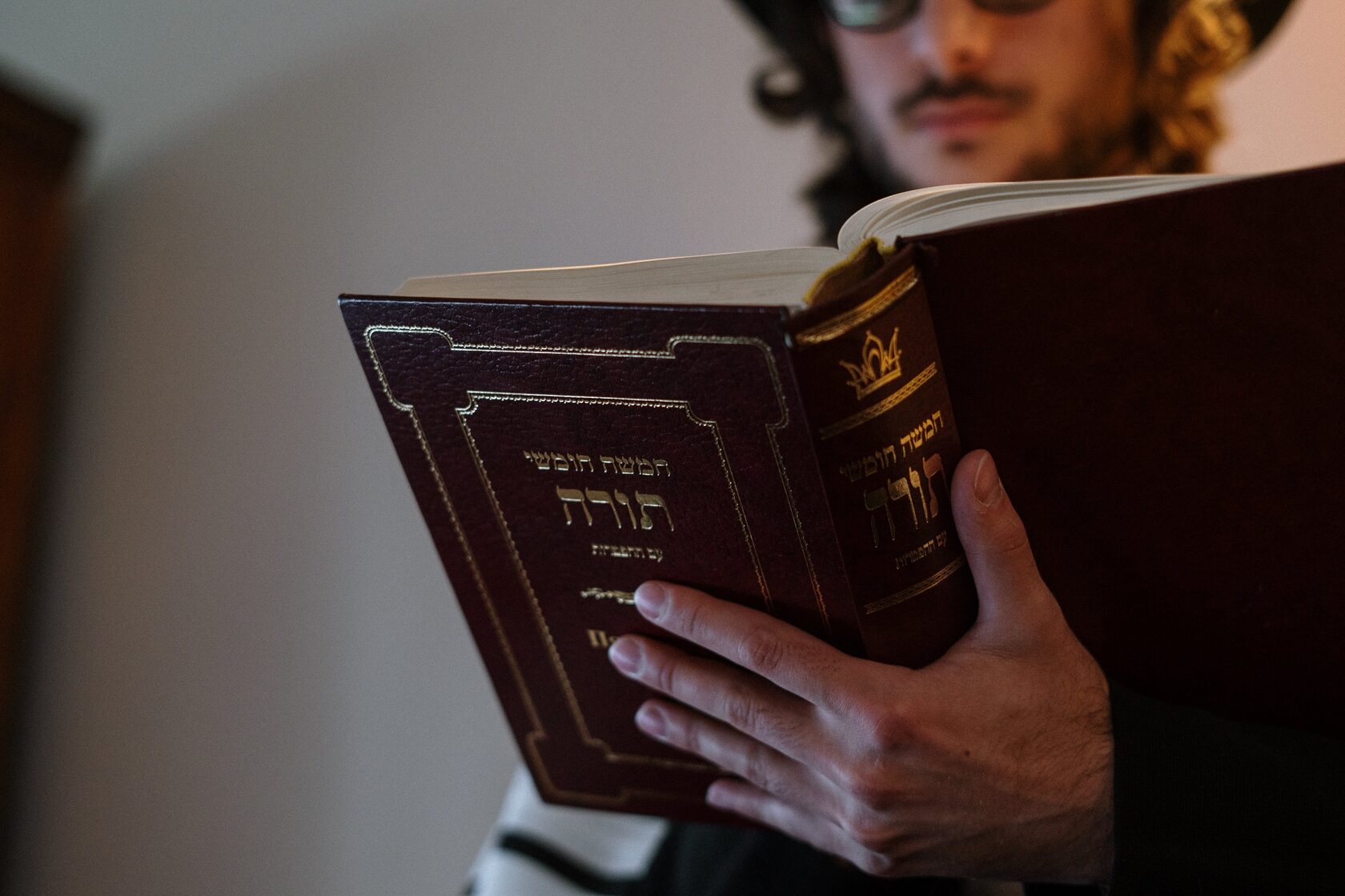
Israel is a country with a rich linguistic landscape, reflecting its diverse cultural heritage. Hebrew, its official language, has an ancient history and was revitalized as a living language in the late 19th century. Arabic, also widely spoken, is recognized as a special status language, mirroring the significant Arab minority population. Additionally, English is commonly used in business and tourism, and many other languages are spoken by various immigrant communities, showcasing Israel's multifaceted linguistic tapestry.
What language is spoken in Israel?
- Hebrew and Arabic: These are Israel's two official languages. Hebrew, an ancient language, is spoken by most Israelis (about 93%). Arabic, with a long history in the region, is spoken by around 20% of the population.
- English: Widely used in Israel, English has a key role in business and education. Most Israelis (over 85%) can speak English to some extent, making it a common language in everyday life.
- Russian: With a significant number of Jewish immigrants from Russia since 1989, Russian is now a common language in Israel. About one-third of Israelis can speak Russian, making it almost as prevalent as Arabic.
- Amharic: Originating from Ethiopia, Amharic is spoken by the Ethiopian Jewish community in Israel. While it's one of the lesser-spoken languages, it's still an important part of Israel's linguistic landscape.
Is Yiddish the same as Hebrew?
Hebrew and Yiddish are distinct languages with different origins and uses. Here's a simplified breakdown of their differences:
Language Family:
Alphabet Usage:
Birthplace:
Original Purpose:
Modern Usage:
Language Family:
- Hebrew is a Semitic language, part of the Afro-Asiatic family, native to the Middle East.
- Yiddish is a Germanic language, blending German with Hebrew, Aramaic, and Slavic and Romance languages. It uses some Hebrew words and the Hebrew alphabet, but it's closer to German and Slavic languages.
Alphabet Usage:
- Hebrew alphabet comprises 22 consonants, with vowels inferred from context or marks around the letters.
- In Yiddish, certain silent Hebrew letters represent vowels, and the usage of marks differs from Hebrew.
Birthplace:
- Hebrew originated in the Middle East over 3,000 years ago, closely associated with Israel.
- Yiddish started in Europe, specifically the Rhineland area of Western Germany, about 800 years ago, spreading to Eastern and Central Europe.
Original Purpose:
- Yiddish was the everyday language (mame-loshn) for Central and Eastern European Jews.
- Hebrew was mainly used for religious purposes (loshn-koydesh) by Jewish communities worldwide.
Modern Usage:
- Hebrew is spoken by around 10 million people, primarily in Israel, for both daily communication and religious activities.
- Yiddish, with a sharp decline post-Holocaust, is still spoken by about 3 million people globally. It's prevalent in Hasidic communities in the U.S., parts of the UK, Canada, and recognized as a minority language in Sweden, Moldova, and parts of Russia.
The Arabic language in Israel
In Israel, Arabic is natively spoken by over 20% of the population, mainly by Israeli Arabs and also by Jews who emigrated from Arab countries. Some people describe the modern Hebrew-influenced Levantine Arabic spoken in Israel as "Israeli Arabic dialect" or "Aravrit," a blend of the Hebrew words for Hebrew (Ivrit) and Arabic (Aravit).
The Arabic dialects in Israel vary regionally:
Jews from Arab countries, known as Mizrahi and Maghrebi Jews, initially spoke Judeo-Arabic dialects. However, their Israel-born descendants mainly use Hebrew now.
Arabic's status in Israel has evolved:
The Arabic dialects in Israel vary regionally:
- Central Israel: Israeli Arabs here speak a dialect similar to Palestinian Arabic.
- Negev Region: The Bedouin community has its unique Arabic dialect.
- Northern Israel: Influenced more by Lebanese Arabic, especially among the Druze community.
Jews from Arab countries, known as Mizrahi and Maghrebi Jews, initially spoke Judeo-Arabic dialects. However, their Israel-born descendants mainly use Hebrew now.
Arabic's status in Israel has evolved:
- Until 2018, Arabic was a co-official language along with Hebrew.
- With the 2018 Basic Law: Israel as the Nation-State of the Jewish People, its official status was altered to an auxiliary language.
- Despite this change, the use of Arabic in government documents and public settings is still legally required in Israel.
Russian language in Israel
Russian is a prominent non-official language in Israel, spoken by a significant portion of the population. Key points about Russian language use in Israel include:
- Prevalence: Over 20% of Israelis are fluent in Russian, primarily due to Jewish immigration from the USSR and its successor states in the 1970s, 1990s, and 2000s. This has led to a substantial Russian-speaking community in Israel, with up to 1.5 million speakers as of 2017.
- Government and Business Accommodations: Recognizing this demographic, the Israeli government and businesses often provide information in Russian, both in writing and verbally.
- Media Presence: There is a dedicated Israeli TV channel broadcasting in Russian. Additionally, Russian newspapers and radio services are widely available, with a significant number of Russian-language media outlets operating in Israel.
- Education: Some Israeli schools offer Russian language courses. The Hebrew University started teaching Russian in 1962, and public schools in major cities began offering Russian classes in the 1970s. However, the enrollment in these programs has fluctuated over the years.
- Language Use Among Immigrants: Children of Russian immigrants typically adopt Hebrew as their primary language but often retain fluency in Russian. Many continue to use Russian within their families and Russian-speaking social circles.
- Educational Background of Immigrants: Most Jewish immigrants from the Soviet Union were highly educated, with a significant percentage having higher education.
- Russian in Israeli Education System: Despite the large number of Russian speakers, Russian has a modest role in Israel’s education system, with varying levels of Russian language education in schools over the decades.
- Media Consumption Trends: Traditionally, Russian speakers in Israel have shown a preference for reading newspapers and listening to the radio more than Hebrew speakers. The number of Russian-language newspapers has varied over time, with a shift towards television and online media in recent years.
- Television and Digital Media: Israeli television provides daily translations in Hebrew, Arabic, and Russian. Channel 9, also known as Israel Plus, is a notable Russian-speaking commercial TV channel in Israel. Digital packages often include multiple channels in Russian.
Do Israel and Palestine speak the same language?
Israel and Palestine have different primary languages, but there is some language overlap due to geographical and cultural proximity.
In summary, while Arabic is a significant language in both regions, Hebrew is predominantly spoken in Israel, and Arabic is the primary language in the Palestinian territories. There is a degree of bilingualism, especially in border areas and among populations that interact frequently.
- Israel: Hebrew is the primary language spoken in Israel. It's used in government, education, media, and daily communication. Arabic also holds a special status in Israel and is spoken by the Arab minority, including both Muslims and Christians. Additionally, English is widely spoken and understood.
- Palestine: In the Palestinian territories, which include the West Bank and Gaza Strip, Arabic is the predominant language. It is used in all aspects of life, including education, government, and media. Many Palestinians are also fluent in Hebrew, particularly those who work or interact regularly with Israelis. English is commonly taught in schools and is increasingly understood among the younger population.
In summary, while Arabic is a significant language in both regions, Hebrew is predominantly spoken in Israel, and Arabic is the primary language in the Palestinian territories. There is a degree of bilingualism, especially in border areas and among populations that interact frequently.