
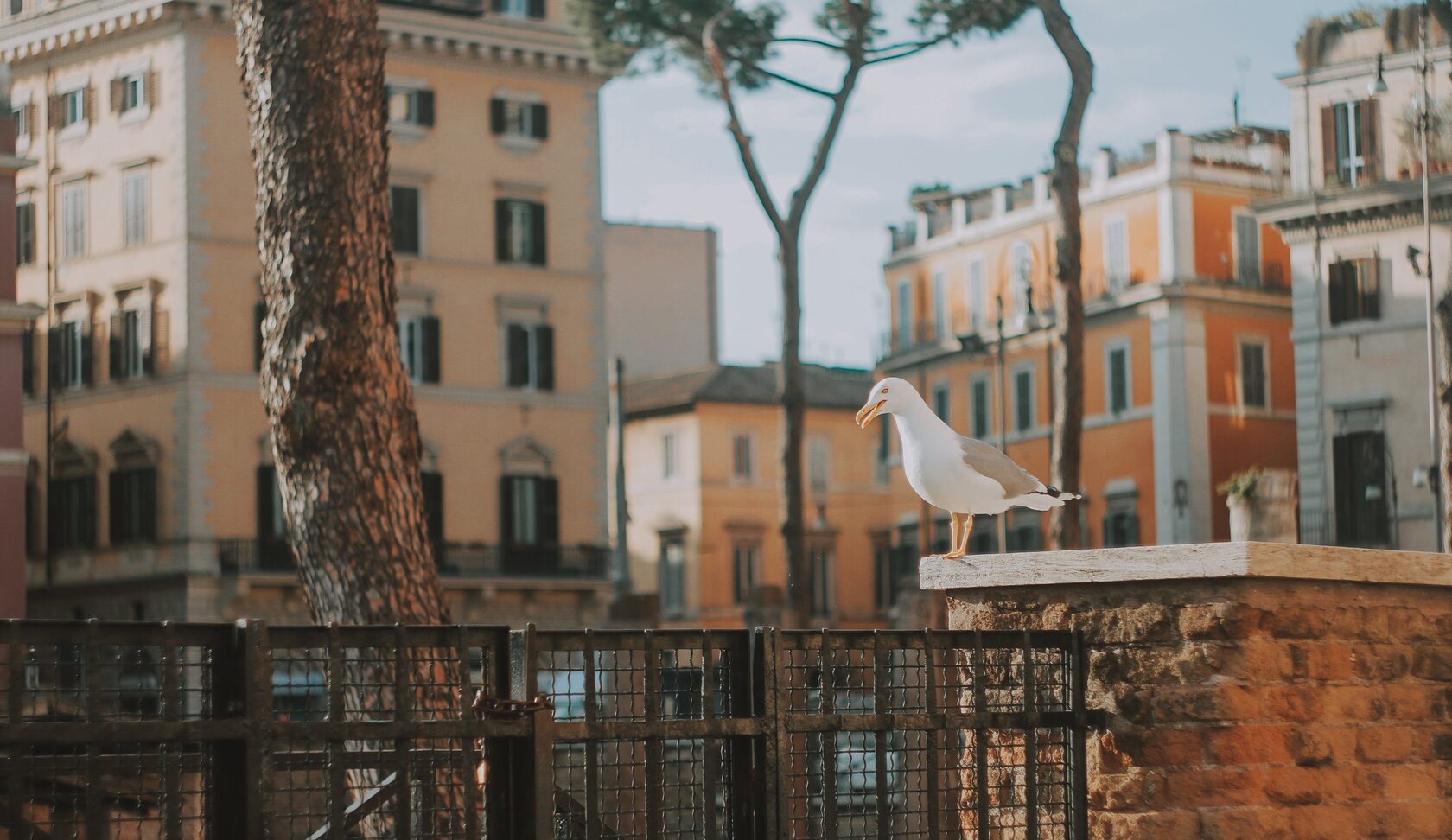
Today, let's delve into the captivating realm of historical treasures and cultural richness as we explore the iconic capital of Italy.
What is the capital of Italy?
Rome, a captivating blend of ancient grandeur and modern vitality, stands as both a city and special comune, known officially as "Roma Capitale," within the heart of Italy. Serving as the capital of the country, as well as the Province of Rome and the region of Lazio, this historic metropolis boasts a population of 2.8 million residents spread across 1,285.3 km2, making it the largest and most populous comune in Italy and the fourth-most populous city in the European Union within city limits. Beyond its administrative boundaries, the urban expanse of Rome encompasses approximately 3.8 million people. Notably, Vatican City, an independent country nestled within Rome, stands as a unique example of a sovereign state coexisting within a city, earning Rome the distinction of being the capital of two states.
When did Rome became the capital of Italy?
Rome became the capital of Italy on July 3, 1871. This significant event occurred when Italy was unified as a single nation-state, a process known as the Risorgimento. After Rome was declared the capital, it solidified its position as the political and administrative center of the newly united Italy.
Why is Rome the capital of Italy?
Rome stands as the capital of Italy not only for its practical administrative role but also due to its unique symbolic significance unmatched by any other city in the country. It is the sole city deemed worthy to serve as the capital for a unified Italian state, embodying a rich historical and cultural heritage that resonates with the essence of Italy's national identity.
Where is Rome in Italy?
Located in the Lazio region of central Italy, Rome is nestled along the banks of the Tiber river. The original settlement emerged on hills facing a natural ford beside the Tiber Island, the only one of its kind in the area. The ancient Rome of the Kings was constructed upon seven hills, namely the Aventine, Caelian, Capitoline, Esquiline, Palatine, Quirinal, and Viminal Hills. In the contemporary landscape, Rome is intersected by another river, the Aniene, merging into the Tiber north of the historic center.
While the city center is approximately 24 km (15 mi) inland from the Tyrrhenian Sea, Rome's territory extends to the shore, incorporating the south-western district of Ostia. The elevation of the central part of Rome varies from 13 m (43 ft) above sea level at the base of the Pantheon to 139 m (456 ft) above sea level at the peak of Monte Mario. Encompassing approximately 1,285 km2 (496 sq mi), the Comune of Rome features numerous green areas, contributing to the city's diverse and expansive landscape.
While the city center is approximately 24 km (15 mi) inland from the Tyrrhenian Sea, Rome's territory extends to the shore, incorporating the south-western district of Ostia. The elevation of the central part of Rome varies from 13 m (43 ft) above sea level at the base of the Pantheon to 139 m (456 ft) above sea level at the peak of Monte Mario. Encompassing approximately 1,285 km2 (496 sq mi), the Comune of Rome features numerous green areas, contributing to the city's diverse and expansive landscape.
What was the first capital of Italy?
The first capital of Italy was Turin. It served as the provisional capital during the early years of the unification of Italy. Turin was the capital from 1861, when Italy was officially unified, until 1865. After that, the capital was temporarily moved to Florence before.
Milan is the capital of which region of Italy?
Milan, the capital of the Milano province and the Lombardy region in northern Italy, stands as the preeminent financial center and the most thriving hub for manufacturing and commerce in the country.
The historical trajectory of Milan presents a paradox akin to many of the world's great cities. Despite strong arguments in favor of Milan as the capital of a unified Italy, a sentiment shared by many Milanese, the city has carved its niche as the most industrious and dynamic urban center since Italy's emergence as a modern nation-state. Covering an area of 70 square miles (182 square km) within the city and 765 square miles (1,980 square km) in the province, Milan remains a symbol of economic vitality and historical significance.
The historical trajectory of Milan presents a paradox akin to many of the world's great cities. Despite strong arguments in favor of Milan as the capital of a unified Italy, a sentiment shared by many Milanese, the city has carved its niche as the most industrious and dynamic urban center since Italy's emergence as a modern nation-state. Covering an area of 70 square miles (182 square km) within the city and 765 square miles (1,980 square km) in the province, Milan remains a symbol of economic vitality and historical significance.
What is Sicily capital?
Palermo, situated in the Conca d'Oro's artificially irrigated plains, serves as the capital of Sicily and ranks as the fifth-largest city in Italy, covering an area of 158 km2. Nestled amidst hills, the city boasts a captivating blend of Norman and eastern architectural influences in its city center, adorned with magnificent monuments harking back to the Arab and Norman dominations. Palermo's allure extends to its churches, palaces, baroque and Renaissance structures, and captivating mosaics. The urban landscape seamlessly intertwines historic gardens and parks, creating a unique tapestry of cultural and natural beauty. Additionally, the city embraces a touch of Africa through its lively, souk-like markets, adding to Palermo's vibrant and diverse atmosphere.
Food capital of Italy
The title of the "food capital of Italy" is often associated with Bologna. Bologna is renowned for its rich culinary heritage and is considered by many as the gastronomic heart of Italy. The city is particularly famous for its traditional dishes, such as Bolognese sauce (ragù), tortellini, and mortadella. The culinary traditions of Bologna reflect the emphasis on quality ingredients, authentic flavors, and a deep appreciation for the art of Italian cooking.