
Today, let's delve into the exquisite culinary world of Italy, where each dish tells a tale of rich flavors, centuries-old traditions, and a passion for exceptional food.
Facts about Italy food
Italian culinary traditions are deeply rooted in regional diversity, shaped by the unique landscapes, climates, and neighboring influences throughout the country. From coastal areas to mountainous terrains, each region boasts its own specialties crafted from fresh, local, and seasonal ingredients. The Italian dining experience, marked by multiple courses, begins with the 'primo piatto,' featuring pasta, rice, or soup, followed by the 'secondo piatto,' showcasing fish or meat with vegetables, and concludes with a sweet 'dolce' dessert.
Antipasto, a prelude to the main meal, includes an array of appetizers like cold meats, cheeses, bruschetta, olives, and smoked fish. While not an everyday occurrence, it adds sophistication to formal meals or dining out. Renowned worldwide, Italian gelato stands out as a pinnacle of ice cream perfection. With a higher milk-to-cream ratio and a slower churning process, gelato boasts a silky, soft texture, making it a delectable treat.
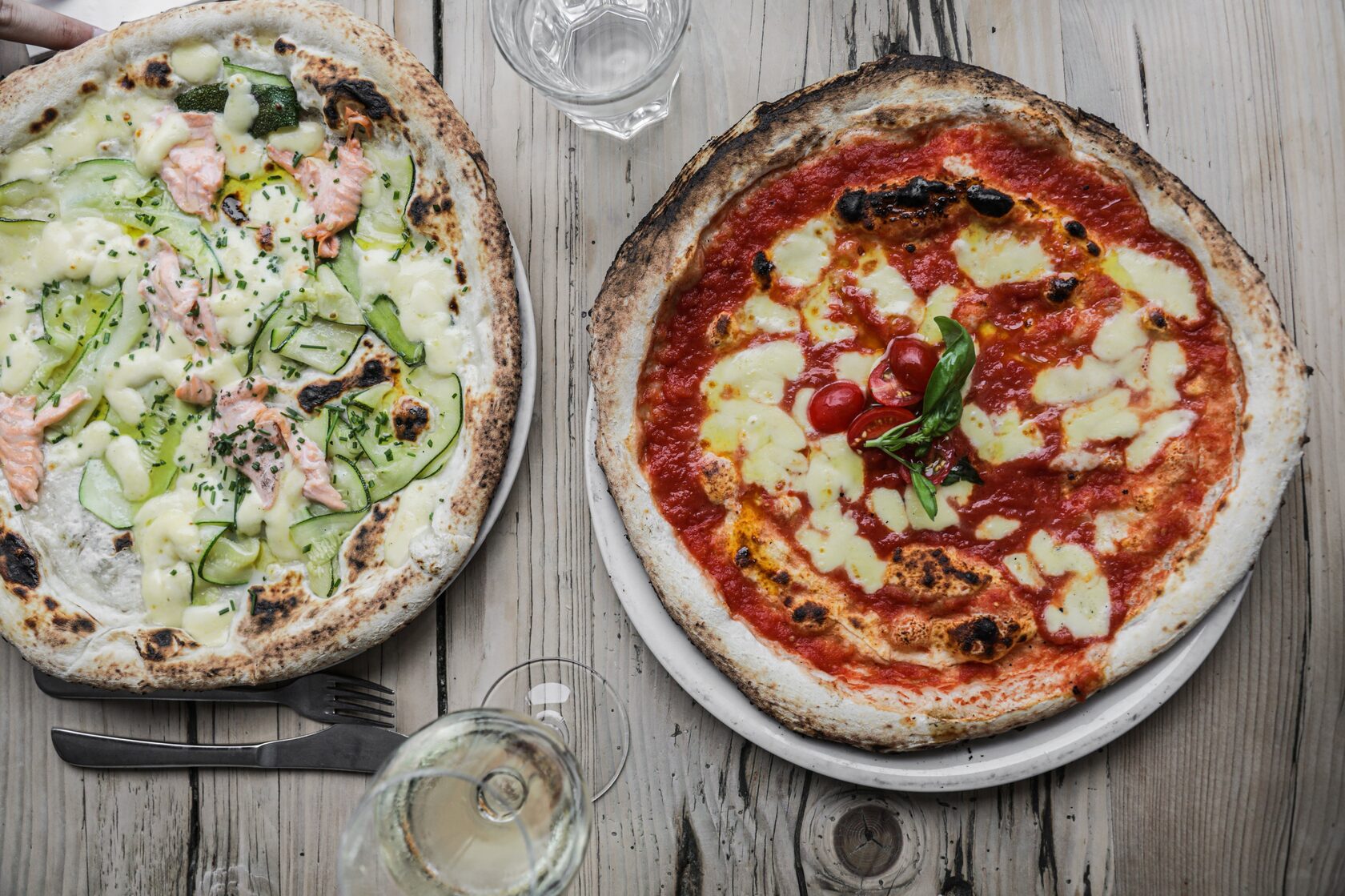
Contrary to the emphasis on breakfast in some cultures, Italians typically start their day with a simple milky coffee, such as cappuccino or latte macchiato, accompanied by cookies or small biscuits. Notably, pizza, a global favorite, originated in Naples during the 18th or 19th century. The iconic pizza Margherita, named after Queen Margherita of Savoy, reflects the colors of the Italian flag with tomato sauce (red), mozzarella (white), and basil (green). In Italy, breakfast is considered the least important meal, focusing on a light start with coffee rather than a savory feast.
Antipasto, a prelude to the main meal, includes an array of appetizers like cold meats, cheeses, bruschetta, olives, and smoked fish. While not an everyday occurrence, it adds sophistication to formal meals or dining out. Renowned worldwide, Italian gelato stands out as a pinnacle of ice cream perfection. With a higher milk-to-cream ratio and a slower churning process, gelato boasts a silky, soft texture, making it a delectable treat.
Contrary to the emphasis on breakfast in some cultures, Italians typically start their day with a simple milky coffee, such as cappuccino or latte macchiato, accompanied by cookies or small biscuits. Notably, pizza, a global favorite, originated in Naples during the 18th or 19th century. The iconic pizza Margherita, named after Queen Margherita of Savoy, reflects the colors of the Italian flag with tomato sauce (red), mozzarella (white), and basil (green). In Italy, breakfast is considered the least important meal, focusing on a light start with coffee rather than a savory feast.
Traditional food in Italy
Pizza tops the list of the best traditional foods in Italy. While pizza has been a staple for centuries, the famous Margherita pizza originated in 1889 when Queen Margherita of Savoy visited Naples. Pizza in Italy is characterized by its freshness, simplicity, and decent size, with two main types: Neapolitan and Roman.
Pasta, a classic Italian dish, showcases the beauty of simplicity. With over 400 styles, popular types include fettuccine, spaghetti, penne, and tagliatelle. Each region has its signature pasta, such as pappardelle in Tuscany and fettuccine in Rome. Spaghetti a la Carbonara is a beloved Roman pasta dish.
Arancini, fried rice balls, come in Roman and Sicilian variations. Filled with ragu, mozzarella, and Arborio rice, Sicilian arancini often include beef and peas. Coated in breadcrumbs and deep-fried, they are served with marinara sauce.
Focaccia, an oven-baked Italian bread, varies by region, known as schiacciata in Tuscany and strazzata in Basilicata. Topped with herbs and olive oil, it makes for a delightful starter or snack.
Italian cheese boasts a rich culture, with each region producing distinctive varieties. Southern Naples is known for fresh buffalo milk mozzarella, while Parma in Emilia-Romagna produces Parmigiano Reggiano. Gorgonzola, Grana Padano, Pecorino, and mascarpone are also cherished.
Pasta, a classic Italian dish, showcases the beauty of simplicity. With over 400 styles, popular types include fettuccine, spaghetti, penne, and tagliatelle. Each region has its signature pasta, such as pappardelle in Tuscany and fettuccine in Rome. Spaghetti a la Carbonara is a beloved Roman pasta dish.
Arancini, fried rice balls, come in Roman and Sicilian variations. Filled with ragu, mozzarella, and Arborio rice, Sicilian arancini often include beef and peas. Coated in breadcrumbs and deep-fried, they are served with marinara sauce.
Focaccia, an oven-baked Italian bread, varies by region, known as schiacciata in Tuscany and strazzata in Basilicata. Topped with herbs and olive oil, it makes for a delightful starter or snack.
Italian cheese boasts a rich culture, with each region producing distinctive varieties. Southern Naples is known for fresh buffalo milk mozzarella, while Parma in Emilia-Romagna produces Parmigiano Reggiano. Gorgonzola, Grana Padano, Pecorino, and mascarpone are also cherished.
Best food in Italy
- Spaghetti alla Carbonara: Spaghetti alla Carbonara claims the top spot among must-try Italian foods. Italians take great pride in this evergreen dish, which sets itself apart by showcasing the unique characteristics of Italian cuisine. Authentic Carbonara pasta, prepared with Pecorino Romano cheese, fresh eggs, guanciale, and pepper, is a delightful experience. Notably, traditional Carbonara does not contain any cream or milk, emphasizing the pure magic of its flavors.
- Risotto: A globally renowned Italian dish, Risotto, holds a special place in the hearts of many. While bread might be a staple, creamy risotto captures the essence of Italian culinary excellence. Often considered a luxury due to the high-end ingredients used, such as saffron in Risotto alla Milanese or top-shelf items like arborio rice, cuttlefish, and squid ink in Risotto al Nero di Sepia, these dishes are best savored at fine-dining establishments to fully appreciate their decadence.
- Arancini: Arancini takes its place among the top 10 Italian dishes to try. Typically part of the antipasti or first course, these arborio rice balls are served with ragu, cheese, and optional sides like aubergine or peas. Starting your meal with Arancini, a Sicilian specialty with a Roman counterpart called Supplì, introduces your taste buds to delightful flavors, setting the stage for the courses to come.
- Fiorentina Steak: Considered the best Italian food by many locals, Fiorentina Steak, or Bistecca Fiorentina, is a cherished dish. This T-bone beef steak is cooked briefly to achieve a grilled exterior while maintaining a rare or medium-rare center. While purists may insist on beef from Tuscany, equally delightful options can be found in Rome, Milan, and Sicily. When ordering, be mindful of the weight-based serving to ensure a satisfying culinary experience.
- Polenta: A northern Italian delicacy, Polenta is a popular choice among locals. This corn mush complements meats, salads, and soups, offering a simple yet flavorful dining experience. Despite initial perceptions of being basic or bland, well-prepared dishes like Polenta fritters or stew with Polenta prove to be soul-satisfying. With the abundance of activities during your Italian vacation, opting for this light dish for lunch or dinner provides a delightful break for your digestive system.
Street food in Italy
Panzerotti
Panzerotti, a delightful dish reminiscent of small calzones or empanadas, features a soft, pillowy dough pocket. This Italian creation is generously filled with ingredients commonly found in households, such as cheese, tomatoes, vegetables, or meat sauce, creating a flavorful combination. The final touch involves deep-frying to achieve a golden-brown perfection. Regional produce often influences the choice of cheese stuffing, adding a distinct local flair. In a sweet twist, panzerotti has also evolved into dessert variations, becoming carnival treats filled with fruit jams, chocolate cream, or chestnut filling, topped with a dusting of confectioner's sugar.
Panelle
Panelle stands out as one of the simplest yet most flavorful Italian street foods. Originating from Sicily and introduced by the Arabs between the 9th and 11th centuries, this dish comprises chickpea polenta cut into thick slices and fried in olive oil. The result is a delectable and crunchy fritter, often served like a sandwich or as standalone croquettes. Drizzled with lemon juice, panelle can be presented in a bun topped with sesame seeds and fresh ricotta cheese.
Frico
With roots dating back to the 15th century in Carnia, Italy, Frico is a traditional cheese dish that has stood the test of time. This omelette, cooked in a pan with onions, potatoes, and butter, is stuffed with Montasio cheese, a cow's milk specialty. Available in both crunchy (friabile) and softer (morbido) varieties, Frico is either fried or baked. Best enjoyed hot, the dish features melted and gooey cheese, offering a delightful culinary experience.
Piada or Piadina Romagnola
Referred to as the "bread of poverty" by Italian poet Giovanni Pascoli in the 19th century, Piada or Piadina Romagnola is a vegetarian-friendly Italian street food. This dish involves flatbread, serving as a sandwich base, and is filled with creamy soft squacquerone cheese, prosciutto, or thinly-sliced Italian ham. Freshly served at piadineria or street kiosks around Italy, Piadina is best enjoyed minutes after being pulled from the cast-iron skillet to relish the soft melted cheese.
Panzerotti, a delightful dish reminiscent of small calzones or empanadas, features a soft, pillowy dough pocket. This Italian creation is generously filled with ingredients commonly found in households, such as cheese, tomatoes, vegetables, or meat sauce, creating a flavorful combination. The final touch involves deep-frying to achieve a golden-brown perfection. Regional produce often influences the choice of cheese stuffing, adding a distinct local flair. In a sweet twist, panzerotti has also evolved into dessert variations, becoming carnival treats filled with fruit jams, chocolate cream, or chestnut filling, topped with a dusting of confectioner's sugar.
Panelle
Panelle stands out as one of the simplest yet most flavorful Italian street foods. Originating from Sicily and introduced by the Arabs between the 9th and 11th centuries, this dish comprises chickpea polenta cut into thick slices and fried in olive oil. The result is a delectable and crunchy fritter, often served like a sandwich or as standalone croquettes. Drizzled with lemon juice, panelle can be presented in a bun topped with sesame seeds and fresh ricotta cheese.
Frico
With roots dating back to the 15th century in Carnia, Italy, Frico is a traditional cheese dish that has stood the test of time. This omelette, cooked in a pan with onions, potatoes, and butter, is stuffed with Montasio cheese, a cow's milk specialty. Available in both crunchy (friabile) and softer (morbido) varieties, Frico is either fried or baked. Best enjoyed hot, the dish features melted and gooey cheese, offering a delightful culinary experience.
Piada or Piadina Romagnola
Referred to as the "bread of poverty" by Italian poet Giovanni Pascoli in the 19th century, Piada or Piadina Romagnola is a vegetarian-friendly Italian street food. This dish involves flatbread, serving as a sandwich base, and is filled with creamy soft squacquerone cheese, prosciutto, or thinly-sliced Italian ham. Freshly served at piadineria or street kiosks around Italy, Piadina is best enjoyed minutes after being pulled from the cast-iron skillet to relish the soft melted cheese.
Where is the best food in Italy?
Naples
Naples stands out as the ultimate destination for pizza enthusiasts, being the birthplace of the iconic Margherita pizza. The volcanic soil in the region enhances the flavor of vineyards and tomatoes. Don't miss trying the delectable "Sfogliatella," a pastry with layers separated during baking, filled with options like orange-flavored ricotta, almond paste, or candied citrus peel. In Naples, explore local delights like Friarielli, Frittatina, Gelato, Mozzarella di Bufala, Genovese Pasta, and, of course, authentic Pizza.
Bologna
Known as a haven for foodies, Bologna offers hand-rolled pasta and is famed for its Bolognese sauce. The city is a culinary paradise, offering laid-back aperitivos with Mortadella, cheeses, and exquisite Prosciutto. As the capital of Emilia-Romagna, Bologna produces Parmigiano Reggiano cheese, Balsamic vinegar, and Prosciutto di Parma. Indulge in must-try dishes such as Lasagne Verde al Forno, Mortadella, Prosciutto, and Tortellini when in Bologna.
Rome
While Rome boasts iconic landmarks like the Trevi Fountain and the Coliseum, it's also a haven for food enthusiasts. Dive into Rome's four specialty pastas: Cacio e Pepe, Carbonara, Amatriciana, and Gricia. Explore new styles of pizza, including Pizza al Taglio and Roman-style pizza with a thin crust. Don't miss local delights like Carciofi alla Guidia (fried artichokes), Porchetta, Suppli, and Maritozzi when exploring the diverse culinary scene in Rome.
Verona
Known for being the setting of Romeo and Juliet, Verona also offers unique drinks like Soave and Amarone. Indulge in Risotto alla Amarone, a dish made with the exquisite Amarone wine. Verona is a paradise for meat and fish lovers, with seafood pasta being a particular favorite. Explore local produce and savor dishes like Bigoli Pasta, Bollito Misto, and various seafood preparations while enjoying the charming atmosphere of Verona.
Parma
Parma, in the northern region of Emilia-Romagna, is renowned for its architecture, music, and art. It's a hub for Prosciutto, Cheese, and offers a picturesque countryside. The region is famous for Parmigiano-Reggiano, a gem in the world of cheese. Indulge in local delights like Cotechino (pork sausage), Culatello (rare Italian salumi), and Prosciutto di Parma. With a rich culinary history and being part of Italy's Food Valley, Parma offers a delightful culinary experience with fantastic meats, country dishes, and exquisite wines.
Naples stands out as the ultimate destination for pizza enthusiasts, being the birthplace of the iconic Margherita pizza. The volcanic soil in the region enhances the flavor of vineyards and tomatoes. Don't miss trying the delectable "Sfogliatella," a pastry with layers separated during baking, filled with options like orange-flavored ricotta, almond paste, or candied citrus peel. In Naples, explore local delights like Friarielli, Frittatina, Gelato, Mozzarella di Bufala, Genovese Pasta, and, of course, authentic Pizza.
Bologna
Known as a haven for foodies, Bologna offers hand-rolled pasta and is famed for its Bolognese sauce. The city is a culinary paradise, offering laid-back aperitivos with Mortadella, cheeses, and exquisite Prosciutto. As the capital of Emilia-Romagna, Bologna produces Parmigiano Reggiano cheese, Balsamic vinegar, and Prosciutto di Parma. Indulge in must-try dishes such as Lasagne Verde al Forno, Mortadella, Prosciutto, and Tortellini when in Bologna.
Rome
While Rome boasts iconic landmarks like the Trevi Fountain and the Coliseum, it's also a haven for food enthusiasts. Dive into Rome's four specialty pastas: Cacio e Pepe, Carbonara, Amatriciana, and Gricia. Explore new styles of pizza, including Pizza al Taglio and Roman-style pizza with a thin crust. Don't miss local delights like Carciofi alla Guidia (fried artichokes), Porchetta, Suppli, and Maritozzi when exploring the diverse culinary scene in Rome.
Verona
Known for being the setting of Romeo and Juliet, Verona also offers unique drinks like Soave and Amarone. Indulge in Risotto alla Amarone, a dish made with the exquisite Amarone wine. Verona is a paradise for meat and fish lovers, with seafood pasta being a particular favorite. Explore local produce and savor dishes like Bigoli Pasta, Bollito Misto, and various seafood preparations while enjoying the charming atmosphere of Verona.
Parma
Parma, in the northern region of Emilia-Romagna, is renowned for its architecture, music, and art. It's a hub for Prosciutto, Cheese, and offers a picturesque countryside. The region is famous for Parmigiano-Reggiano, a gem in the world of cheese. Indulge in local delights like Cotechino (pork sausage), Culatello (rare Italian salumi), and Prosciutto di Parma. With a rich culinary history and being part of Italy's Food Valley, Parma offers a delightful culinary experience with fantastic meats, country dishes, and exquisite wines.
What is the food geography of Italy?
- Abruzzo: Known for its rugged terrain, sheep farming is prominent in Abruzzo, influencing the region's meat dishes and cheeses. Agnello cac’ e ove (lamb with cheese and eggs) is a traditional dish enjoyed during the Easter period, featuring young lamb born in the spring. The sauce is crafted exclusively with sheep's milk cheese, adding a unique local touch to this flavorful dish.
- Basilicata: Simplicity defines Basilicata's cuisine, and làgane with olive oil and chickpeas is a prime example. Away from the coast, this region favors chickpeas in its pasta (làgane), often made with egg, durum wheat flour, and water. The dish consists of làgane tossed with olive oil, sautéed garlic, and cooked ceci (chickpeas), showcasing the region's dedication to uncomplicated yet delicious flavors.
- Calabria: A creation by Calabrian chef Pasquale Pangallo, macaroni with pork, eggplant, and salted ricotta is a standout dish with a place in the renowned "Cucina Regionale." The incorporation of melanzane (eggplant) introduced by Arabs and Calabrian cured meats, such as spicy capocollo, paired with salted ricotta, provides a delightful blend of flavors.
- Campania: In Campania, particularly Naples, the focus is on carbs, especially the white flour of a pizza base. Pizza Napoletana, a thick-rimmed pizza baked in a wood-burning domed oven, traditionally features cow's milk mozzarella, tomato sauce, and additional toppings. Culinary innovators like Enzo Coccia, Frano Pepe, and Francesco and Salvatore Salvo are reinventing this classic, introducing new flavor and texture combinations.
- Emilia-Romagna: Known for classic Italian pasta dishes, Emilia-Romagna, particularly Bologna, has culinary roots deeply embedded in Italian traditions. At Locanda al Gambero Rosso, chef Giuliana Saragoni adds a creative twist to tortellini by stuffing them with an ingredient from another regional dish, frittelle di acacia (acacia flower fritters). This innovative touch brings a burst of flavor to the traditional pasta.
How much does food cost in Italy?
For those on a budget, opting to procure ingredients and cook in their Airbnb can be a more economical choice compared to dining out for every meal. Although preparing meals at home allows for cost savings, I recommend occasional dining out as it is an integral part of the Italian experience.
Cooking all meals in an apartment could be managed with a daily budget of €10. Supermarkets in Italy are generally affordable, and quick purchases like bread and cheese on the go may only cost around €1.50.
For those who enjoy a glass of wine or beer in the evenings, budgeting between €18 and €25 a day should suffice. However, individual eating habits may lead to variations in spending.
Italy boasts luxurious restaurants with incredible offerings, such as indulgent linguine all’astice enjoyed against the backdrop of a sunset by Lake Como. If one plans to frequent such high-end establishments, a budget of at least €100 a day for food expenses would be reasonable.
On average, the cost of food per day in Italy is approximately €18.
Cooking all meals in an apartment could be managed with a daily budget of €10. Supermarkets in Italy are generally affordable, and quick purchases like bread and cheese on the go may only cost around €1.50.
For those who enjoy a glass of wine or beer in the evenings, budgeting between €18 and €25 a day should suffice. However, individual eating habits may lead to variations in spending.
Italy boasts luxurious restaurants with incredible offerings, such as indulgent linguine all’astice enjoyed against the backdrop of a sunset by Lake Como. If one plans to frequent such high-end establishments, a budget of at least €100 a day for food expenses would be reasonable.
On average, the cost of food per day in Italy is approximately €18.