
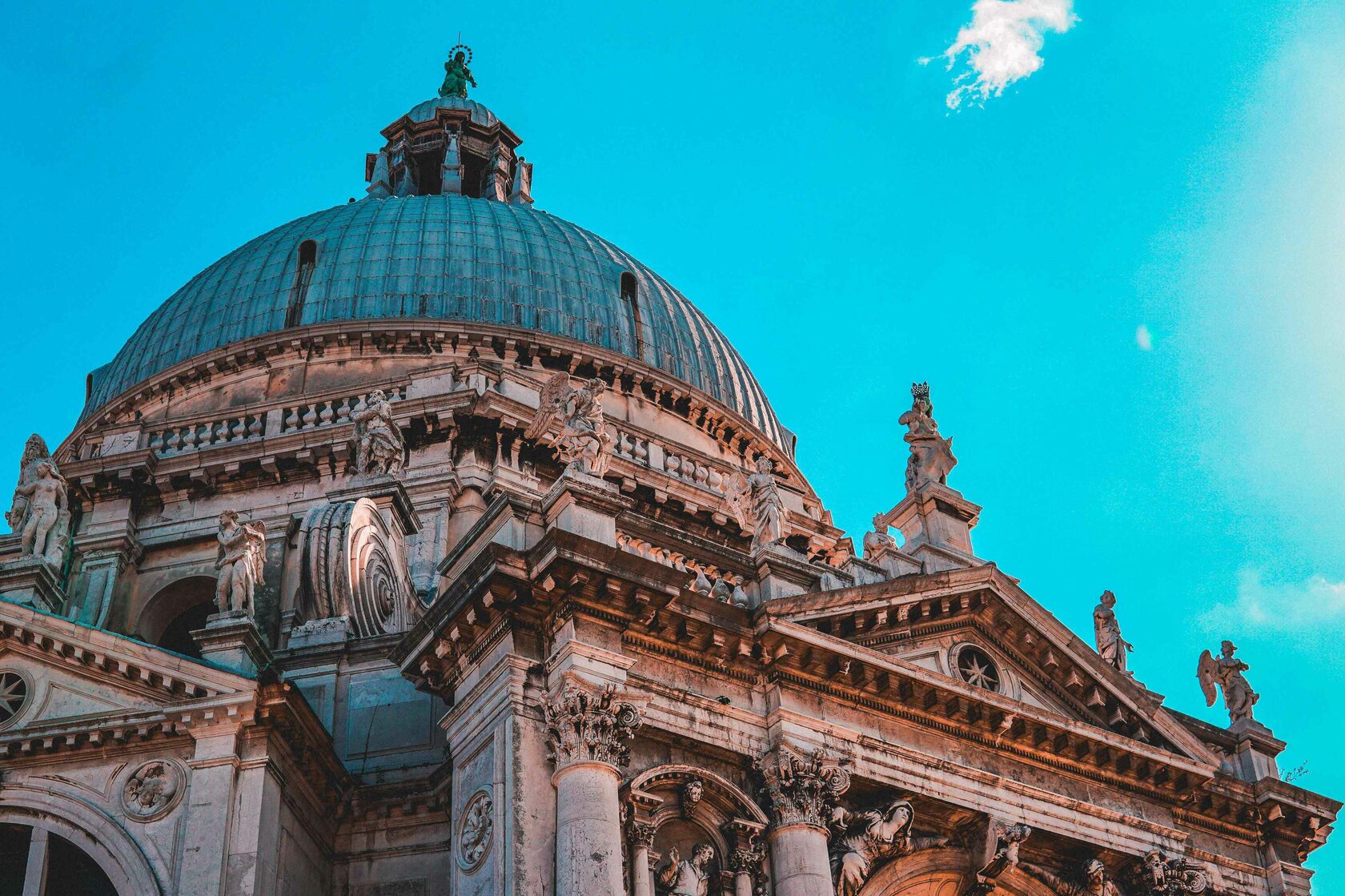
Italy's rich cultural heritage is a tapestry woven with the threads of history, art, and passion. From the iconic architecture of Rome to the exquisite artistry of Renaissance masters, Italy's cultural tapestry is a testament to centuries of creativity and influence.
Culture in Italy: facts
Italian culture is rich and diverse, blending a millennia-old history with art, cuisine, and traditions. One prominent aspect of Italian culture is its art and architecture. Italy is the birthplace of many great artists, architects, and sculptors such as Leonardo da Vinci, Michelangelo, and Raphael. Cities like Rome, Florence, and Venice stand as magnificent witnesses to the wealth of its historical heritage.
Italy is also famous for its cultural festivals and traditions. The Carnival in Venice, with its elaborate costumes and unique atmosphere, attracts tourists from around the world. Religious celebrations such as Easter and Christmas play a crucial role in the country's cultural life. Italians take pride in their culture and strive to preserve and pass down traditions to future generations.
Italy is also famous for its cultural festivals and traditions. The Carnival in Venice, with its elaborate costumes and unique atmosphere, attracts tourists from around the world. Religious celebrations such as Easter and Christmas play a crucial role in the country's cultural life. Italians take pride in their culture and strive to preserve and pass down traditions to future generations.
Religion in Italy culture
Religion plays a profound role in Italy's cultural identity, with the majority of the population identifying as Roman Catholic. The influence of the Catholic Church is deeply ingrained in various aspects of Italian life, shaping traditions, celebrations, and societal norms. Italy's religious heritage is visible in its countless churches, cathedrals, and religious festivals, reflecting a harmonious blend of faith, art, and history that has left an indelible mark on the country's cultural landscape.
Food culture in Italy
Italian cuisine, a Mediterranean culinary tradition, has evolved over centuries since Roman times and has been globally disseminated through waves of Italian diaspora. Rooted in local ingredients, recipes, and cooking techniques, it has undergone notable transformations with the exchange of culinary influences from other cultures. The discovery of the Americas brought significant changes, introducing ingredients like potatoes, tomatoes, capsicums, maize, and sugar beet in the 18th century. Today, Italian food culture stands as one of the most renowned and cherished gastronomies globally.
Coffee culture in Italy
Indulging in coffee in Italy is a serious affair, complete with its own set of etiquettes and traditions to avoid any coffee-related faux pas. Unlike typical bars in the UK or USA, an Italian bar is essentially a café (caffé), specializing in fast coffee consumption along with snacks, pastries, and alcohol. These establishments, often simply labeled as 'Bar,' can be found in picturesque squares, with those in touristy areas being pricier. For a more authentic and affordable coffee experience, venture into the side streets.
When ordering coffee in Italy, be prepared to pay upfront before heading to the counter to place your order from the array of best Italian coffee brands. Holding onto the receipt is essential. Most Italians opt for a quick espresso at the counter (al banca), akin to taking a shot, completing the ritual in under five minutes. Opting to sit at a table comes with additional costs, especially in tourist-heavy locations where waiter service is available.
In Italy, the norm is to stand while sipping coffee, reserving table seating (al tavolo) for tourists or those willing to pay extra for a leisurely experience. The timing of your coffee choices matters too; ordering a cappuccino or milky coffee after 11 a.m. or post-meal may garner puzzled looks from locals, as such beverages are typically enjoyed earlier in the day. Drinking a milky coffee on a full stomach is considered less than ideal, and if one must order a cappuccino after a meal, a touch of embarrassment is advised.
When ordering coffee in Italy, be prepared to pay upfront before heading to the counter to place your order from the array of best Italian coffee brands. Holding onto the receipt is essential. Most Italians opt for a quick espresso at the counter (al banca), akin to taking a shot, completing the ritual in under five minutes. Opting to sit at a table comes with additional costs, especially in tourist-heavy locations where waiter service is available.
In Italy, the norm is to stand while sipping coffee, reserving table seating (al tavolo) for tourists or those willing to pay extra for a leisurely experience. The timing of your coffee choices matters too; ordering a cappuccino or milky coffee after 11 a.m. or post-meal may garner puzzled looks from locals, as such beverages are typically enjoyed earlier in the day. Drinking a milky coffee on a full stomach is considered less than ideal, and if one must order a cappuccino after a meal, a touch of embarrassment is advised.
Clothing culture in Italy
The vibrant world of Italian traditional clothing is an unmissable spectacle, particularly during performances by folk musicians or dancers. The eye-catching ensembles boast a riot of colors, with women donning embroidered skirts and bodices over light chemises, complemented by elaborate hats adorned with flowers or fruit. Men's attire, while simpler, doesn't lack attention to detail, featuring embroidery and decorative metal buttons and pins. These costumes trace their origins back to the Middle Ages when they evolved from the practical peasant dress worn by Italians in their daily lives.
In the Middle Ages, Italian peasants relied on practical clothing, with men opting for simple pants and shirts, while women wore blouses, skirts, and bodices. Fabrics were typically basic, with wool being a common choice, and color options limited to affordable gray and black dyes. Notably, traditional Italian fabric included orbace, a waterproof type of wool, even used for the uniforms of Mussolini's Black Shirts.
Peasant women adorned hats that served both fashion and function, featuring a flat top ideal for carrying baskets to the market. Over time, this style transformed into hats adorned with artificial flowers or fruits, imitating the image of a peasant woman carrying a basket on her head.
Wealthy Italian women's clothing resembled peasant garb but incorporated opulent materials like silk and velvet. The affluent also had access to a broader spectrum of colorful dyes, resulting in a more varied color palette. Additionally, upper-class women adorned themselves with more jewelry compared to their peasant counterparts.
Even during special festivals, peasant women showcased beautiful dresses and bodices, dyed in vibrant hues, intricately embroidered, and crafted from superior fabrics. Passed down through generations, these dresses often featured food and nature themes due to their association with harvest festivals. As the Catholic Church later incorporated these celebrations into saints' days, Christian motifs became prevalent in the designs as well.
In the Middle Ages, Italian peasants relied on practical clothing, with men opting for simple pants and shirts, while women wore blouses, skirts, and bodices. Fabrics were typically basic, with wool being a common choice, and color options limited to affordable gray and black dyes. Notably, traditional Italian fabric included orbace, a waterproof type of wool, even used for the uniforms of Mussolini's Black Shirts.
Peasant women adorned hats that served both fashion and function, featuring a flat top ideal for carrying baskets to the market. Over time, this style transformed into hats adorned with artificial flowers or fruits, imitating the image of a peasant woman carrying a basket on her head.
Wealthy Italian women's clothing resembled peasant garb but incorporated opulent materials like silk and velvet. The affluent also had access to a broader spectrum of colorful dyes, resulting in a more varied color palette. Additionally, upper-class women adorned themselves with more jewelry compared to their peasant counterparts.
Even during special festivals, peasant women showcased beautiful dresses and bodices, dyed in vibrant hues, intricately embroidered, and crafted from superior fabrics. Passed down through generations, these dresses often featured food and nature themes due to their association with harvest festivals. As the Catholic Church later incorporated these celebrations into saints' days, Christian motifs became prevalent in the designs as well.
Folk culture in Italy
Italy has a rich and diverse folk culture that reflects the country's historical, regional, and social variations. One prominent aspect of Italian folk culture is its traditional music, which varies across different regions. Each region boasts its own unique musical styles, instruments, and dances, showcasing the distinctiveness of local cultures.
Another integral part of Italy's folk culture is its vibrant festivals and celebrations. From the elaborate Carnivale in Venice to the colorful and lively Palio in Siena, these events are deeply rooted in local traditions and customs. They often involve parades, historical reenactments, traditional costumes, and communal feasting, providing a glimpse into the cultural tapestry that makes up Italy's folk heritage.
Another integral part of Italy's folk culture is its vibrant festivals and celebrations. From the elaborate Carnivale in Venice to the colorful and lively Palio in Siena, these events are deeply rooted in local traditions and customs. They often involve parades, historical reenactments, traditional costumes, and communal feasting, providing a glimpse into the cultural tapestry that makes up Italy's folk heritage.
Business and work culture in Italy
Italian Business Culture
Italy's business culture is deeply rooted in relationships, mirroring the country's strong emphasis on family ties. Communication is a key element, requiring the right language and gestures to establish successful connections. Italian companies often follow a pyramidal hierarchy, particularly in larger organizations, where decision-making is centralized at the upper levels. Family-owned businesses, common in Italy, concentrate decision-making power within the family, respecting both age and authority. Building personal relationships is crucial for establishing long-lasting business connections, and adhering to verbal agreements is essential, as failing to do so may jeopardize relationships.
The initial contact with an Italian business partner is typically formal, with the preference for face-to-face interactions over electronic communication. Time management in Italy is often flexible, though punctuality is appreciated, especially in the northern regions. Meetings are important for relationship-building, starting with light topics before delving into business matters. Italians value verbal commitments and open communication during negotiations, and a sense of humor can facilitate business relations. Business lunches or dinners are common and signify a higher level of familiarity, with hosts usually covering the expenses.
The initial contact with an Italian business partner is typically formal, with the preference for face-to-face interactions over electronic communication. Time management in Italy is often flexible, though punctuality is appreciated, especially in the northern regions. Meetings are important for relationship-building, starting with light topics before delving into business matters. Italians value verbal commitments and open communication during negotiations, and a sense of humor can facilitate business relations. Business lunches or dinners are common and signify a higher level of familiarity, with hosts usually covering the expenses.
Work Culture in Italy
Italy's work culture combines a laidback lifestyle with professionalism. A respect for hierarchy is observed in established organizations, where age and experience often influence decision-making. The importance of personal relationships extends to the workplace, making interpersonal skills crucial. Speaking Italian is highly beneficial, as English may not be widely understood. Startups tend to have a flatter structure, while family businesses concentrate decision-making within the family.
Meetings in Italian workplaces often start with casual discussions to build trust. Presenting oneself professionally is essential during meetings, and flexibility is appreciated. Decision-making in Italy is often a prolonged process, and negotiations may take time. Business lunches or dinners indicate a stronger relationship, and hosts typically cover expenses. Work-life balance is valued, and standard office hours are observed, with extended lunch breaks allowing for a more relaxed pace. Punctuality is respected but not strictly enforced, reflecting the cultural approach towards time.
Meetings in Italian workplaces often start with casual discussions to build trust. Presenting oneself professionally is essential during meetings, and flexibility is appreciated. Decision-making in Italy is often a prolonged process, and negotiations may take time. Business lunches or dinners indicate a stronger relationship, and hosts typically cover expenses. Work-life balance is valued, and standard office hours are observed, with extended lunch breaks allowing for a more relaxed pace. Punctuality is respected but not strictly enforced, reflecting the cultural approach towards time.
Culture shock living in Italy
August in Italy is synonymous with Ferragosto, a public holiday celebrated nationwide. However, what makes it unique is that Ferragosto can extend for a week or even the entire month, motivating Italian families and friends to plan group vacations to cooler destinations like Lake Como and Tuscany.
Italy observes a unique tradition where most shops and businesses close down from noon to 4 or 5 PM. During this time, people return home to enjoy a leisurely lunch and take afternoon naps before reopening their businesses for a few hours until around 7 PM. This practice can be a culture shock for international students in Italy, emphasizing the importance of planning grocery shopping accordingly.
In Italy, ultra-high-temperature (UHT) milk is prevalent, comprising nearly 5% of total milk consumption. While considered environmentally friendly, UHT milk may not always be perceived as fresh and can lose nutritional value. This is different from the milk packaging commonly found in India, and those planning to study in Italy may want to familiarize themselves with alternatives.
Italy observes a unique tradition where most shops and businesses close down from noon to 4 or 5 PM. During this time, people return home to enjoy a leisurely lunch and take afternoon naps before reopening their businesses for a few hours until around 7 PM. This practice can be a culture shock for international students in Italy, emphasizing the importance of planning grocery shopping accordingly.
In Italy, ultra-high-temperature (UHT) milk is prevalent, comprising nearly 5% of total milk consumption. While considered environmentally friendly, UHT milk may not always be perceived as fresh and can lose nutritional value. This is different from the milk packaging commonly found in India, and those planning to study in Italy may want to familiarize themselves with alternatives.
Spain vs Italy culture
The backbone of Italian families is the Italian mother, known as "mamma." She typically takes charge of household management, finances, and maintaining order, earning high respect in society. This close family bond results in children often staying longer at home, even when they eventually leave, opting to live in close proximity to their parents. In contrast, the role of women in family life is not as prominent in Spain, and Spanish children tend to have fewer challenges when leaving home.
The appreciation of taste differs between Spaniards and Italians. While a Spaniard might describe a tasty coffee as "bueno" (good), an Italian would use "bello" (beautiful). Italians place great importance on the aesthetic value of things, evident even in their language, as seen when ordering a "bel cappuccino" at a bar.
Spaniards are often characterized by their rigor, practicality, and a more drastic approach, while Italians lean towards negotiation and conciliation. Unlike the Spanish, Italians are open to exploring various options, resulting in Italy having one of the most diverse political landscapes in Europe.
New Year's Eve celebrations vary between Italy and Spain. In Spain, the tradition involves eating twelve grapes before midnight, while Italians count down to the New Year by consuming lentils, believed to attract prosperity.
Despite being Latin languages with some common features, Italian and Spanish are not mutually intelligible without prior study. Public figures often resort to interpreters when communicating in either language.
"The Italian way" reflects the country's tendency to adapt or find shortcuts rather than strictly adhere to rules. This adaptability is exemplified in the well-known expression "doing something the Italian way," as seen when a book titled "100 ways not to pay VAT" emerged in response to the introduction of VAT.
The Spanish and Italians have different daily schedules. Italians typically have lunch at 1 p.m. and dinner at 7 p.m. In Spain, lunch is later, around 2 or 3 p.m., and dinner is not served before 9 p.m. The Spanish approach to time differs from most other European countries, aligning with their preference for a more leisurely pace.
The appreciation of taste differs between Spaniards and Italians. While a Spaniard might describe a tasty coffee as "bueno" (good), an Italian would use "bello" (beautiful). Italians place great importance on the aesthetic value of things, evident even in their language, as seen when ordering a "bel cappuccino" at a bar.
Spaniards are often characterized by their rigor, practicality, and a more drastic approach, while Italians lean towards negotiation and conciliation. Unlike the Spanish, Italians are open to exploring various options, resulting in Italy having one of the most diverse political landscapes in Europe.
New Year's Eve celebrations vary between Italy and Spain. In Spain, the tradition involves eating twelve grapes before midnight, while Italians count down to the New Year by consuming lentils, believed to attract prosperity.
Despite being Latin languages with some common features, Italian and Spanish are not mutually intelligible without prior study. Public figures often resort to interpreters when communicating in either language.
"The Italian way" reflects the country's tendency to adapt or find shortcuts rather than strictly adhere to rules. This adaptability is exemplified in the well-known expression "doing something the Italian way," as seen when a book titled "100 ways not to pay VAT" emerged in response to the introduction of VAT.
The Spanish and Italians have different daily schedules. Italians typically have lunch at 1 p.m. and dinner at 7 p.m. In Spain, lunch is later, around 2 or 3 p.m., and dinner is not served before 9 p.m. The Spanish approach to time differs from most other European countries, aligning with their preference for a more leisurely pace.