
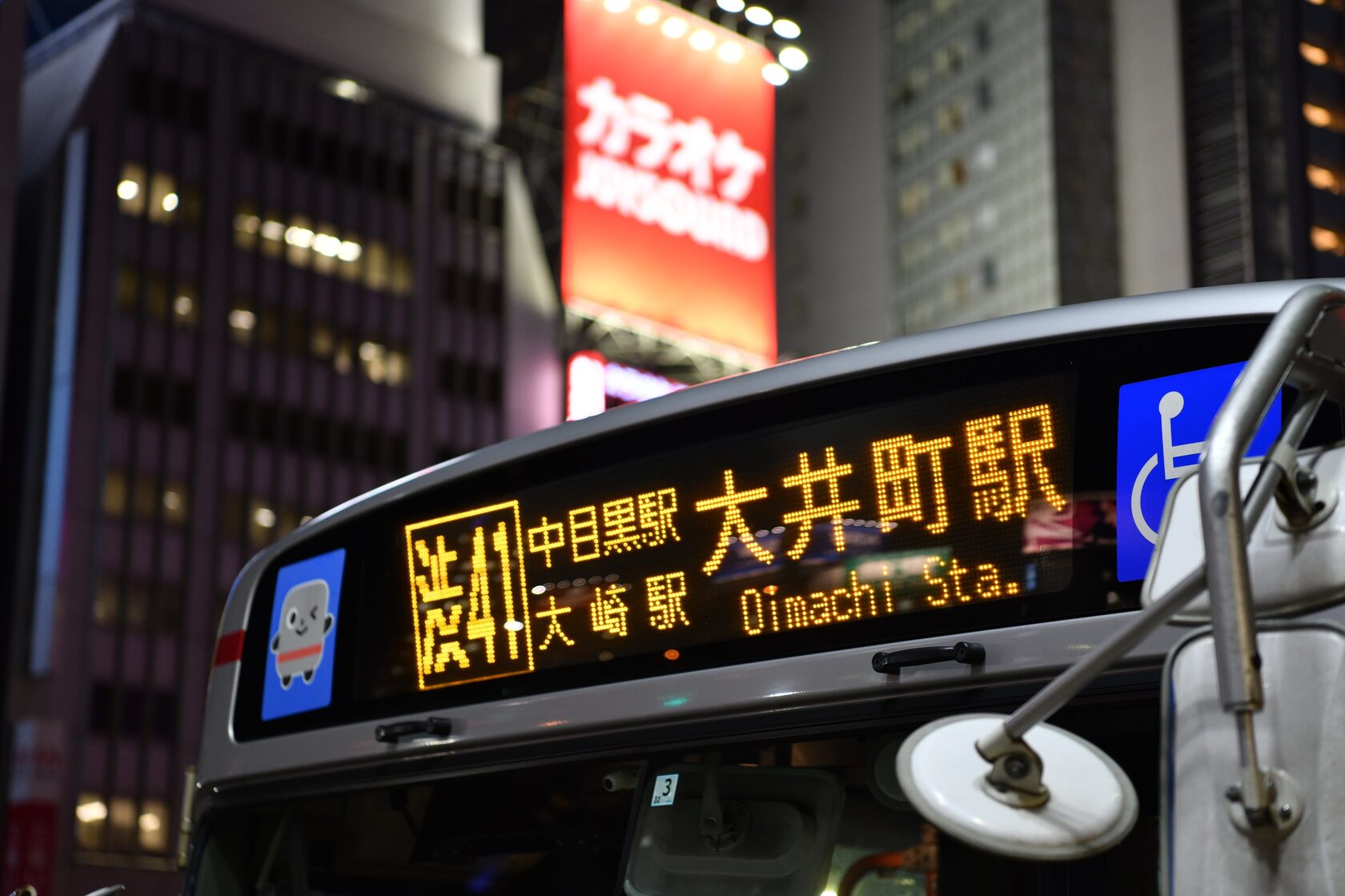
Let's talk about language in Japan.
Language of Japan: history
In the early- to mid-4th century BC during the Yayoi period, settlers from the Korean peninsula likely brought Proto-Japonic, the common ancestor of Japanese and Ryukyuan languages, to replace the languages of the original Jōmon inhabitants. This period, lacking written records from China, relies on internal reconstruction from Old Japanese, Ryukyuan languages, and Japanese dialects.
The introduction of the Chinese writing system to Japan from Baekje around the fifth century involved texts written in Classical Chinese. The Kojiki, dating to the early eighth century, was the earliest text written entirely in Chinese characters, representing Chinese, kanbun, and Old Japanese at different times. The Old Japanese sections used Man'yōgana, employing kanji for both phonetic and semantic values.
Old Japanese, with 88 distinct syllables in the Man'yōgana system, evolved, shrinking to 67 in Early Middle Japanese. Fossilized elements from this era persist in modern Japanese, such as the genitive particle "tsu," seen in words like "matsuge" ("eyelash"). Early Middle Japanese, from 794 to 1185, formed the basis for Classical Japanese.
The Heian period brought phonological changes to Japanese, influenced by Chinese loanwords, including phonemic length distinctions, palatal and labial consonant clusters, and closed syllables, transforming Japanese into a mora-timed language.
Late Middle Japanese, spanning from 1185 to 1600, witnessed sound changes documented by non-native sources like Jesuit and Franciscan missionaries. Some forms familiar to modern Japanese speakers emerged, and loanwords from European languages, including Portuguese, introduced terms like "pan" (bread) and "tabako" (tobacco or cigarette).
Modern Japanese, originating from the Edo period (1603–1867), saw the Edo-area dialect become the standard as Tokyo developed into Japan's largest city. Post-1853, the end of Japan's isolation led to a significant influx of loanwords from European languages, with an increasing trend since 1945, incorporating words from languages such as German, Portuguese, and English. This linguistic evolution is evident in the adoption of English loanwords related to technology, including "pasokon" (personal computer) and "intānetto" (internet). The ongoing integration of foreign words has contributed to distinctions in pronunciation, such as [tɕi] and [ti], and [dʑi] and [di], primarily found in loanwords.
The introduction of the Chinese writing system to Japan from Baekje around the fifth century involved texts written in Classical Chinese. The Kojiki, dating to the early eighth century, was the earliest text written entirely in Chinese characters, representing Chinese, kanbun, and Old Japanese at different times. The Old Japanese sections used Man'yōgana, employing kanji for both phonetic and semantic values.
Old Japanese, with 88 distinct syllables in the Man'yōgana system, evolved, shrinking to 67 in Early Middle Japanese. Fossilized elements from this era persist in modern Japanese, such as the genitive particle "tsu," seen in words like "matsuge" ("eyelash"). Early Middle Japanese, from 794 to 1185, formed the basis for Classical Japanese.
The Heian period brought phonological changes to Japanese, influenced by Chinese loanwords, including phonemic length distinctions, palatal and labial consonant clusters, and closed syllables, transforming Japanese into a mora-timed language.
Late Middle Japanese, spanning from 1185 to 1600, witnessed sound changes documented by non-native sources like Jesuit and Franciscan missionaries. Some forms familiar to modern Japanese speakers emerged, and loanwords from European languages, including Portuguese, introduced terms like "pan" (bread) and "tabako" (tobacco or cigarette).
Modern Japanese, originating from the Edo period (1603–1867), saw the Edo-area dialect become the standard as Tokyo developed into Japan's largest city. Post-1853, the end of Japan's isolation led to a significant influx of loanwords from European languages, with an increasing trend since 1945, incorporating words from languages such as German, Portuguese, and English. This linguistic evolution is evident in the adoption of English loanwords related to technology, including "pasokon" (personal computer) and "intānetto" (internet). The ongoing integration of foreign words has contributed to distinctions in pronunciation, such as [tɕi] and [ti], and [dʑi] and [di], primarily found in loanwords.
Japan official language
Japanese is the official language spoken by the majority of the population, with the Japonic language family encompassing Ryukyuan languages and the Hachijō language. Although various attempts have been made to link Japonic languages with Ainu, Austroasiatic, Koreanic, and the now-discredited Altaic families, none have gained widespread acceptance.
The language's prehistory and emergence in Japan remain largely unknown. While a few Japanese words appeared in Chinese documents from the 3rd century AD, substantial Old Japanese texts didn't surface until the 8th century. Sino-Japanese vocabulary influx during the Heian period altered the phonology of Early Middle Japanese, with Late Middle Japanese witnessing grammatical changes and the introduction of European loanwords. In the Early Modern Japanese period, the standard dialect shifted from Kansai to Edo (modern Tokyo). After Japan's end of self-imposed isolation in 1853, loanwords from European languages, especially English, surged.
Japanese is an agglutinative, mora-timed language with straightforward phonotactics, a pure vowel system, and a lexically significant pitch-accent. It follows a subject–object–verb word order, utilizing particles for grammatical function, and employs a topic–comment sentence structure. Sentence-final particles convey emotion or emphasis. Nouns lack grammatical number or gender, and there are no articles. Verbs primarily conjugate for tense and voice. Japanese adjectives also undergo conjugation. The language features a complex honorific system, indicating the relative status of the speaker, listener, and others mentioned.
The Japanese writing system incorporates Chinese characters (kanji) alongside two native syllabaries: hiragana and katakana. Latin script (rōmaji) is used minimally, such as for imported acronyms. The numeral system predominantly employs Arabic numerals, supplemented by traditional Chinese numerals.
The language's prehistory and emergence in Japan remain largely unknown. While a few Japanese words appeared in Chinese documents from the 3rd century AD, substantial Old Japanese texts didn't surface until the 8th century. Sino-Japanese vocabulary influx during the Heian period altered the phonology of Early Middle Japanese, with Late Middle Japanese witnessing grammatical changes and the introduction of European loanwords. In the Early Modern Japanese period, the standard dialect shifted from Kansai to Edo (modern Tokyo). After Japan's end of self-imposed isolation in 1853, loanwords from European languages, especially English, surged.
Japanese is an agglutinative, mora-timed language with straightforward phonotactics, a pure vowel system, and a lexically significant pitch-accent. It follows a subject–object–verb word order, utilizing particles for grammatical function, and employs a topic–comment sentence structure. Sentence-final particles convey emotion or emphasis. Nouns lack grammatical number or gender, and there are no articles. Verbs primarily conjugate for tense and voice. Japanese adjectives also undergo conjugation. The language features a complex honorific system, indicating the relative status of the speaker, listener, and others mentioned.
The Japanese writing system incorporates Chinese characters (kanji) alongside two native syllabaries: hiragana and katakana. Latin script (rōmaji) is used minimally, such as for imported acronyms. The numeral system predominantly employs Arabic numerals, supplemented by traditional Chinese numerals.
Japanese sign language
Japanese Sign Language (日本手話, nihon-shuwa), also known as JSL, serves as the primary sign language in Japan and is recognized as a complete natural language with its own distinct features, separate from but influenced by spoken Japanese.
Little is known about sign language and the deaf community in Japan before the Edo period. The first school for the deaf in Kyoto was established in 1878 by Tashiro Furukawa, who played a pivotal role in the development of what would later become JSL. Until 1948, there was no mandatory education for deaf children in Japan.
In the latter half of the 20th century, there was a cultural shift in perceptions of the Deaf in Japan. The traditional biomedical model, defining deafness as a physical impairment, gradually gave way to a social-cultural paradigm that identified deaf individuals as users of Japanese Sign Language.
The Japanese Federation of the Deaf has worked to improve communication opportunities for JSL users, and the changing status of JSL and the Deaf in Japan has been a slow but ongoing process. Princess Kiko, a member of the Imperial family, has been an advocate for JSL and has actively participated in events related to sign language.
In 2011, the Basic Act for Persons with Disabilities was enacted, recognizing sign language as a language and supporting the Deaf community. The Deaf community also supported the passage of the Sign Language Law, contributing to the acknowledgment and protection of sign language rights.
The integration of JSL into Japanese culture has been accompanied by an increase in the number of sign language interpreters. Key developments include the establishment of the Japanese Association of Sign Language Interpreters (JASLI) in 1991, the establishment of an ethics code for sign language interpreters in 1997, and the creation of the National Training Institution of Sign Language in 2002, a collaborative effort between the Japanese Federation of the Deaf and the National Research Association for Sign Language Interpretation. In 2006, amendments to the Supporting Independence of People with Disabilities Act encouraged local governments to enhance the availability and utilization of JSL interpreters.
Little is known about sign language and the deaf community in Japan before the Edo period. The first school for the deaf in Kyoto was established in 1878 by Tashiro Furukawa, who played a pivotal role in the development of what would later become JSL. Until 1948, there was no mandatory education for deaf children in Japan.
In the latter half of the 20th century, there was a cultural shift in perceptions of the Deaf in Japan. The traditional biomedical model, defining deafness as a physical impairment, gradually gave way to a social-cultural paradigm that identified deaf individuals as users of Japanese Sign Language.
The Japanese Federation of the Deaf has worked to improve communication opportunities for JSL users, and the changing status of JSL and the Deaf in Japan has been a slow but ongoing process. Princess Kiko, a member of the Imperial family, has been an advocate for JSL and has actively participated in events related to sign language.
In 2011, the Basic Act for Persons with Disabilities was enacted, recognizing sign language as a language and supporting the Deaf community. The Deaf community also supported the passage of the Sign Language Law, contributing to the acknowledgment and protection of sign language rights.
The integration of JSL into Japanese culture has been accompanied by an increase in the number of sign language interpreters. Key developments include the establishment of the Japanese Association of Sign Language Interpreters (JASLI) in 1991, the establishment of an ethics code for sign language interpreters in 1997, and the creation of the National Training Institution of Sign Language in 2002, a collaborative effort between the Japanese Federation of the Deaf and the National Research Association for Sign Language Interpretation. In 2006, amendments to the Supporting Independence of People with Disabilities Act encouraged local governments to enhance the availability and utilization of JSL interpreters.
How to learn Japanese language?
11 Easy Steps to Quickly Master Japanese:
- Master the Japanese alphabet
- Drill grammar concepts
- Acquire essential phrases
- Establish a consistent learning schedule
- Utilize language learning apps
- Employ flashcards effectively
- Engage in online conversations with native speakers or fellow learners
- Immerse yourself in manga
- Watch anime for language exposure
- Tune in to Japanese podcasts
- Embrace mistakes as part of the learning process
Is it easy to learn Japanese?
Many English speakers find the Japanese language challenging to learn due to its intricacies. With three distinct writing systems, a sentence structure opposite to English, and a complex politeness hierarchy, it is undeniably intricate.
How many words in Japanese language?
Japanese, much like English, boasts an extensive vocabulary (approximately 500 000). However, a distinctive feature is the prevalence of Kanji characters, with about half of the words in Japanese, especially in written materials like newspapers, composed of these characters. While the language encompasses a broad lexicon, the use of approximately 1,100 to 2,000 commonly employed Kanji allows for the comprehension of the majority of written content. Mastering these one or two thousand Kanji opens the door to reading and understanding a wide array of printed materials in Japanese.
Korean vs Japanese language
Geographical proximity has fostered a longstanding interaction between these Asian languages, shaping their distinct identities.
The influence of Chinese on Japanese is evident in pronunciation, vocabulary, and writing. Initially, Japanese was exclusively spoken, but the introduction of Chinese characters in the third century AD transformed its written form. The creation of kana, based on learned Chinese characters, further bridged the linguistic evolution. In contrast, both Japanese and Korean predominantly used Chinese characters in writing until the aftermath of World War II. The Korean peninsula's liberation from Japanese rule marked a shift, with Hangul, a phonetic writing system, gaining prominence.
Despite geographical proximity, Japanese and Korean exhibit differences in writing systems and phonetic qualities. Cultural parallels, such as bowing customs, work ethics, and societal norms, offer intriguing similarities. However, linguistic distinctions become apparent upon closer examination.
Both languages share a subject-object-verb sentence structure, illustrated through examples in Japanese and Korean. The usage of particles to provide context is another commonality, though Korean particles exhibit more flexibility in politeness. Additionally, the influence of Chinese characters, known as kanji in Japanese and hanja in Korean, persists, contributing to vocabulary similarities.
While historical interactions and shared influences from China contribute to linguistic parallels, substantial differences exist. Alphabets, with Korean using Hangul and Japanese incorporating Kana characters, diverge, leading to distinct writing systems. Pitch nuances in spoken language play a crucial role, exemplified by the Korean word 눈, which can mean both "snow" and "eye" based on pitch.
The complexity of Japanese grammar, marked by numerous verb forms and intricate honorific systems, contrasts with the simpler structure of Korean grammar. Despite grammatical similarities, the languages remain mutually incomprehensible.
Learning either Japanese or Korean is a personal choice influenced by long-term goals. Consideration of cultural, societal, and economic factors in Japan and Korea is crucial, with South Korea generally offering a more affordable standard of living.
The influence of Chinese on Japanese is evident in pronunciation, vocabulary, and writing. Initially, Japanese was exclusively spoken, but the introduction of Chinese characters in the third century AD transformed its written form. The creation of kana, based on learned Chinese characters, further bridged the linguistic evolution. In contrast, both Japanese and Korean predominantly used Chinese characters in writing until the aftermath of World War II. The Korean peninsula's liberation from Japanese rule marked a shift, with Hangul, a phonetic writing system, gaining prominence.
Despite geographical proximity, Japanese and Korean exhibit differences in writing systems and phonetic qualities. Cultural parallels, such as bowing customs, work ethics, and societal norms, offer intriguing similarities. However, linguistic distinctions become apparent upon closer examination.
Both languages share a subject-object-verb sentence structure, illustrated through examples in Japanese and Korean. The usage of particles to provide context is another commonality, though Korean particles exhibit more flexibility in politeness. Additionally, the influence of Chinese characters, known as kanji in Japanese and hanja in Korean, persists, contributing to vocabulary similarities.
While historical interactions and shared influences from China contribute to linguistic parallels, substantial differences exist. Alphabets, with Korean using Hangul and Japanese incorporating Kana characters, diverge, leading to distinct writing systems. Pitch nuances in spoken language play a crucial role, exemplified by the Korean word 눈, which can mean both "snow" and "eye" based on pitch.
The complexity of Japanese grammar, marked by numerous verb forms and intricate honorific systems, contrasts with the simpler structure of Korean grammar. Despite grammatical similarities, the languages remain mutually incomprehensible.
Learning either Japanese or Korean is a personal choice influenced by long-term goals. Consideration of cultural, societal, and economic factors in Japan and Korea is crucial, with South Korea generally offering a more affordable standard of living.
Chinese vs Japanese language
Studying the Japanese and Chinese languages reveals intriguing similarities and differences between them. Despite complex writing systems and China's historical influence on Japan, both languages exhibit significant linguistic distinctions. Japanese, considered a linguistic isolate, differs substantially from Chinese, which belongs to the Sino-Tibetan language family. The commonalities primarily stem from the use of ideographic writing systems in both languages, such as Kanji in Japanese and Hanzi in Chinese.
Both languages also share certain cultural elements, such as the use of honorific forms of address to express respect. However, substantial differences exist in writing, word order, and pronunciation. Japanese, with its three writing systems (hiragana, katakana, and kanji), features a different word order and a simpler pronunciation system compared to tonal Chinese, which primarily employs Hanzi.
While both languages employ ideographic characters and honorifics, Japanese utilizes a mix of hiragana, katakana, and kanji in its writing system, whereas Chinese relies solely on Hanzi. Additionally, Japanese has a subject-object-verb word order, while Chinese follows a subject-verb-object structure. Pronunciation is another differentiating factor, with Chinese being tonal and Japanese relying on pitch accent.
Both languages also share certain cultural elements, such as the use of honorific forms of address to express respect. However, substantial differences exist in writing, word order, and pronunciation. Japanese, with its three writing systems (hiragana, katakana, and kanji), features a different word order and a simpler pronunciation system compared to tonal Chinese, which primarily employs Hanzi.
While both languages employ ideographic characters and honorifics, Japanese utilizes a mix of hiragana, katakana, and kanji in its writing system, whereas Chinese relies solely on Hanzi. Additionally, Japanese has a subject-object-verb word order, while Chinese follows a subject-verb-object structure. Pronunciation is another differentiating factor, with Chinese being tonal and Japanese relying on pitch accent.
Japanese language on Reddit
Li from Japan says: "Focus on spoken communication before delving into writing. In the past month, I've concentrated on recognizing essential transportation and food-related words, rather than writing them. While I can speak Chinese proficiently, I regret spending too much time learning characters that I've now forgotten. The idea that you must learn all 3,000 Kanji isn't practical; even well-educated Japanese individuals don't know them all. Instead, concentrate on learning a few dozen or perhaps a hundred that are most relevant to your needs.
Remember, merely watching anime isn't a substitute for studying. It's akin to watching TV while absentmindedly strumming a guitar – it won't improve your skills. Additionally, bear in mind that Japan can be costly, so it's advisable to save more money before planning a trip."
Remember, merely watching anime isn't a substitute for studying. It's akin to watching TV while absentmindedly strumming a guitar – it won't improve your skills. Additionally, bear in mind that Japan can be costly, so it's advisable to save more money before planning a trip."