
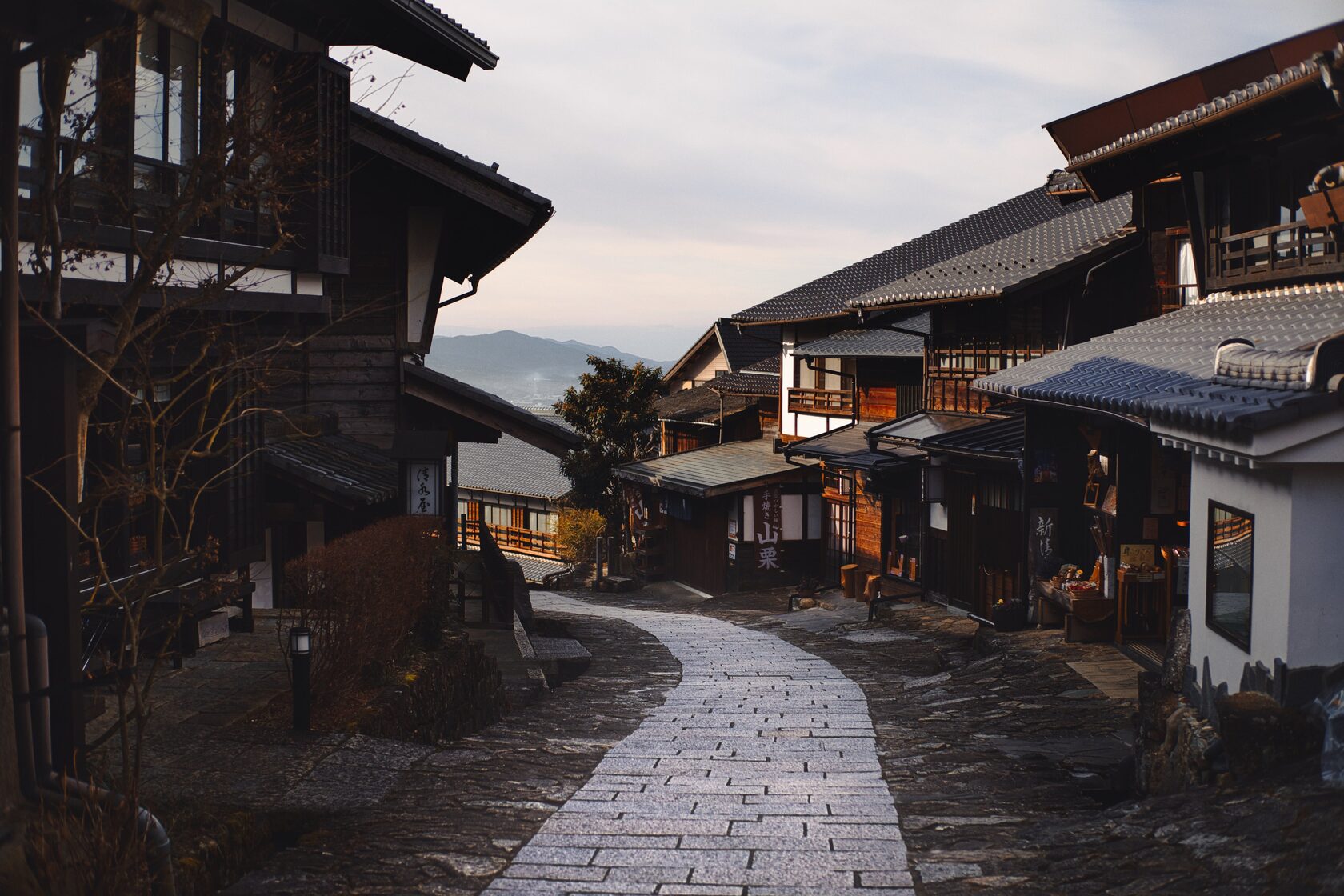
Embarking on the journey of moving to Japan is not merely a change of location; it is a transformative odyssey into a rich tapestry of culture, tradition, and modernity.
Is moving to Japan a good idea?
The allure of Japan for many expatriates lies in its enticing combination of lucrative salaries and an exceptional quality of life. Despite the steep costs associated with living in one of the world's most expensive countries for expats, the consensus is that the investment is justified. Beyond financial considerations, relocating to Japan offers enticing perks such as outstanding healthcare, top-notch schools, and the added bonus of savoring delectable ramen at practically every street corner.
Moving to Japan from US
Preparing for a move from the United States to Japan demands careful consideration, especially when it comes to securing the necessary visa. While short visits for tourism or stays under 90 days require only a passport and return ticket, permanent relocation necessitates a visa application. Although the visa process in Japan is relatively swift, organizing the required documentation takes time, making it advisable to apply at least two months before the intended move. Work visas are common for those moving from the USA to Japan, providing a stay ranging from four months to five years, with renewal required thereafter.
In addition to the bureaucratic aspects, prospective expatriates must confront the challenge of the language barrier. Japan's limited English accommodations underscore the importance of learning basic Japanese phrases before the move, facilitating communication in various situations. As for housing, Japan's overall high cost of living, especially in cities like Tokyo, can be a shock, with homes often coming at a steep price. Renting is a more affordable option, but space constraints persist, emphasizing the need for financial planning.
Budgeting proves essential, considering not only housing costs but also utilities, daily living expenses, and initial relocation expenses. Opening a Japanese bank account requires a valid visa, passport, residence card, and local contact details, further emphasizing the importance of financial preparation. Understanding and respecting Japanese culture is crucial for a smooth transition, from traditional customs like bowing instead of shaking hands to etiquette during business interactions.
Building a social circle in Japan involves tapping into the expat community through activities such as Meetup groups or volunteering. Expats can find comfort in shared interests and hobbies, fostering connections in a foreign land. Understanding company relocation policies and discussing them with employers is equally important, as companies often offer support packages to ease the transition.
Relocating household goods and pets to Japan involves meticulous planning, including an itemized list of belongings in English and Japanese. While moving household items is relatively straightforward, bringing pets requires compliance with Japan's quarantine regulations, with a mandatory seven-day quarantine for dogs and cats upon entry.
In addition to the bureaucratic aspects, prospective expatriates must confront the challenge of the language barrier. Japan's limited English accommodations underscore the importance of learning basic Japanese phrases before the move, facilitating communication in various situations. As for housing, Japan's overall high cost of living, especially in cities like Tokyo, can be a shock, with homes often coming at a steep price. Renting is a more affordable option, but space constraints persist, emphasizing the need for financial planning.
Budgeting proves essential, considering not only housing costs but also utilities, daily living expenses, and initial relocation expenses. Opening a Japanese bank account requires a valid visa, passport, residence card, and local contact details, further emphasizing the importance of financial preparation. Understanding and respecting Japanese culture is crucial for a smooth transition, from traditional customs like bowing instead of shaking hands to etiquette during business interactions.
Building a social circle in Japan involves tapping into the expat community through activities such as Meetup groups or volunteering. Expats can find comfort in shared interests and hobbies, fostering connections in a foreign land. Understanding company relocation policies and discussing them with employers is equally important, as companies often offer support packages to ease the transition.
Relocating household goods and pets to Japan involves meticulous planning, including an itemized list of belongings in English and Japanese. While moving household items is relatively straightforward, bringing pets requires compliance with Japan's quarantine regulations, with a mandatory seven-day quarantine for dogs and cats upon entry.
Moving to Japan from Europe
When making the move from Europe to Japan, completing a customs declaration form is essential, especially when sending unaccompanied baggage beyond your airport suitcases. Familiarizing yourself with Japan's strict laws and customs regulations is crucial to avoid complications and restrictions. Understanding import duties and taxes is essential, and compliance with Japan's medication import regulations is equally vital, considering the nation's stringent approach.
For European expatriates relocating to Japan, having an International Driver's Permit is advisable, allowing driving for up to one year without obtaining a Japanese driver's license. However, in larger cities like Tokyo or Osaka, this may not be necessary. Financial preparedness is key, and bringing savings is recommended to cover agency fees, security deposits, and upfront rent payments.
A Japanese/English Dictionary becomes a valuable tool to navigate language challenges in Japan, aiding in communication and language improvement. Expatriates from Europe typically do not require a visa for short-term stays, with many countries having visa-waiver arrangements with Japan. For those staying longer, understanding the requirements for short-term and long-term visas, as well as obtaining a Certificate of Eligibility, is crucial.
Planning the move involves financial considerations, language preparation, and adherence to cultural norms. Learning basic Japanese phrases is beneficial, and getting involved with the foreign community provides valuable insights. Respecting local culture, being patient, and adhering to rules are fundamental when adjusting to life in Japan.
For pet owners relocating from Europe to Japan, understanding pet import requirements, including vaccinations and quarantine inspections, is essential. Shipping household goods involves estimating costs, with options like sharing containers available to mitigate expenses.
For European expatriates relocating to Japan, having an International Driver's Permit is advisable, allowing driving for up to one year without obtaining a Japanese driver's license. However, in larger cities like Tokyo or Osaka, this may not be necessary. Financial preparedness is key, and bringing savings is recommended to cover agency fees, security deposits, and upfront rent payments.
A Japanese/English Dictionary becomes a valuable tool to navigate language challenges in Japan, aiding in communication and language improvement. Expatriates from Europe typically do not require a visa for short-term stays, with many countries having visa-waiver arrangements with Japan. For those staying longer, understanding the requirements for short-term and long-term visas, as well as obtaining a Certificate of Eligibility, is crucial.
Planning the move involves financial considerations, language preparation, and adherence to cultural norms. Learning basic Japanese phrases is beneficial, and getting involved with the foreign community provides valuable insights. Respecting local culture, being patient, and adhering to rules are fundamental when adjusting to life in Japan.
For pet owners relocating from Europe to Japan, understanding pet import requirements, including vaccinations and quarantine inspections, is essential. Shipping household goods involves estimating costs, with options like sharing containers available to mitigate expenses.
Moving to Japan from Australia
Moving from Australia to Japan requires preparation for the vibrant but crowded lifestyle that comes with living in this dynamic country. With Tokyo being the world's most populated city, adjusting to the bustling environment and crowded transportation systems is essential. However, the Japanese are known for their discipline and friendliness, making it easy for expatriates to form meaningful connections with both locals and fellow internationals.
Japan's robust economy, ranking third globally, offers abundant job opportunities across various industries, including shipbuilding, aerospace, petrochemicals, machinery, electronics, and food. Expatriates can find a fulfilling career in this economically powerful nation. Whether you are a professional or a producer, Japan's resources and competitiveness make it a favorable destination.
Apart from career prospects, moving to Japan introduces expatriates to the country's exotic eastern culture. With renowned tourist attractions like Mount Fuji, Kyoto, and the Island Shrine of Itsukushima, there's no shortage of captivating places to explore. The rich cultural heritage, beautiful landscapes, and iconic landmarks, such as the Imperial Palace in Tokyo and Hiroshima Peace Memorial Park, add to the allure of living in Japan.
Financial management and obtaining permits are relatively straightforward in Japan. The country boasts one of the best banking systems globally, making it easy for expatriates to open accounts. While managing finances is essential, obtaining the necessary residence permits is crucial for long-term stays. Despite the challenges posed by the global pandemic, proper documentation and choosing the right residence permit can facilitate a smooth transition to life in Japan.
As you embark on your move from Australia to Japan, ensure you have all the necessary documents, including permits, bank accounts, and employment contracts. While cultural adjustments may occur, adapting to the unique and vibrant surroundings will be a rewarding experience.
Japan's robust economy, ranking third globally, offers abundant job opportunities across various industries, including shipbuilding, aerospace, petrochemicals, machinery, electronics, and food. Expatriates can find a fulfilling career in this economically powerful nation. Whether you are a professional or a producer, Japan's resources and competitiveness make it a favorable destination.
Apart from career prospects, moving to Japan introduces expatriates to the country's exotic eastern culture. With renowned tourist attractions like Mount Fuji, Kyoto, and the Island Shrine of Itsukushima, there's no shortage of captivating places to explore. The rich cultural heritage, beautiful landscapes, and iconic landmarks, such as the Imperial Palace in Tokyo and Hiroshima Peace Memorial Park, add to the allure of living in Japan.
Financial management and obtaining permits are relatively straightforward in Japan. The country boasts one of the best banking systems globally, making it easy for expatriates to open accounts. While managing finances is essential, obtaining the necessary residence permits is crucial for long-term stays. Despite the challenges posed by the global pandemic, proper documentation and choosing the right residence permit can facilitate a smooth transition to life in Japan.
As you embark on your move from Australia to Japan, ensure you have all the necessary documents, including permits, bank accounts, and employment contracts. While cultural adjustments may occur, adapting to the unique and vibrant surroundings will be a rewarding experience.
Moving to Japan from Ireland
Before making the move, ensure you understand Japan's visa requirements. Depending on your purpose for moving, you may need different types of visas, such as a work visa, student visa, or spouse visa. Check with the Japanese embassy or consulate in Ireland to get accurate and up-to-date information.
Explore job opportunities in Japan based on your skills and qualifications. Japan has a strong job market in sectors like technology, engineering, teaching English, and more. Consider reaching out to international recruitment agencies or Japanese companies that may have offices in Ireland.
While English is commonly used in international business settings, especially in larger cities, having some knowledge of Japanese can greatly enhance your experience. Consider learning basic phrases and understanding the Japanese writing system (hiragana and katakana) to navigate daily life.
Japan has a unique culture, and adjusting to cultural differences is essential for a smooth transition. Learn about Japanese customs, etiquette, and social norms. Understanding concepts like bowing, gift-giving, and respect for hierarchy will help you integrate into the local community.
Research housing options in your chosen city in Japan. Whether you plan to rent an apartment or arrange temporary accommodation, understanding the local housing market and costs is crucial. Be prepared to navigate smaller living spaces compared to what may be typical in Ireland.
Understand Japan's healthcare system and ensure you have appropriate health insurance coverage. Consider obtaining international health insurance to cover any gaps in the Japanese system and to provide peace of mind during your stay.
Plan your finances carefully. Understand currency exchange rates, open a Japanese bank account upon arrival, and consider how you'll manage your money during the initial period. Research local banking procedures and services available to expatriates.
Join expat communities, language exchange programs, or cultural groups to meet both locals and fellow expatriates. This can help ease the process of making new friends and provide valuable support as you adjust to your new environment.
If you plan to bring belongings from Ireland, research international shipping options and customs regulations. Ensure you have the necessary documentation and permits for a smooth transition of your personal items.
If you have children, research educational options in your chosen city. International schools may offer English-language instruction, providing continuity in education during your time in Japan.
Be aware of legal requirements, such as registering your residence with the local authorities (if staying for an extended period) and staying informed about local laws and regulations.
Explore job opportunities in Japan based on your skills and qualifications. Japan has a strong job market in sectors like technology, engineering, teaching English, and more. Consider reaching out to international recruitment agencies or Japanese companies that may have offices in Ireland.
While English is commonly used in international business settings, especially in larger cities, having some knowledge of Japanese can greatly enhance your experience. Consider learning basic phrases and understanding the Japanese writing system (hiragana and katakana) to navigate daily life.
Japan has a unique culture, and adjusting to cultural differences is essential for a smooth transition. Learn about Japanese customs, etiquette, and social norms. Understanding concepts like bowing, gift-giving, and respect for hierarchy will help you integrate into the local community.
Research housing options in your chosen city in Japan. Whether you plan to rent an apartment or arrange temporary accommodation, understanding the local housing market and costs is crucial. Be prepared to navigate smaller living spaces compared to what may be typical in Ireland.
Understand Japan's healthcare system and ensure you have appropriate health insurance coverage. Consider obtaining international health insurance to cover any gaps in the Japanese system and to provide peace of mind during your stay.
Plan your finances carefully. Understand currency exchange rates, open a Japanese bank account upon arrival, and consider how you'll manage your money during the initial period. Research local banking procedures and services available to expatriates.
Join expat communities, language exchange programs, or cultural groups to meet both locals and fellow expatriates. This can help ease the process of making new friends and provide valuable support as you adjust to your new environment.
If you plan to bring belongings from Ireland, research international shipping options and customs regulations. Ensure you have the necessary documentation and permits for a smooth transition of your personal items.
If you have children, research educational options in your chosen city. International schools may offer English-language instruction, providing continuity in education during your time in Japan.
Be aware of legal requirements, such as registering your residence with the local authorities (if staying for an extended period) and staying informed about local laws and regulations.
Moving to Japan on Reddit
Orlando from NY says: "The most isolating period in my life occurred during the year I lived in Japan. However, I recognize that everyone's experience can differ, and my choice of an especially rural area without many foreigners likely contributed to the loneliness. I acknowledge that Tokyo, with its cosmopolitan atmosphere, would probably offer a different social experience. The Osaka area, known for its openness and friendliness towards foreigners, might provide a more welcoming environment. Despite the challenges of loneliness and occasional encounters with discrimination, I appreciated the strong sense of safety in Japan, a positive aspect of my time living there."
Moving to Japan from Canada
According to data from the Organisation for Economic Co-operation and Development (OECD), approximately 12,000 Canadians are currently residing in Japan, with hundreds more awaiting approval for migration. For those aspiring immigrants, several crucial considerations should be taken into account before embarking on the journey from Canada to Japan.
Cost of living: When planning a move from Canada to Japan, the first step is to secure the necessary documents for relocation. This includes ensuring you have a valid passport, a visa, and a recent photograph. Additionally, it is essential to inform the Canada Revenue Agency. Obtaining a Certificate of Eligibility (COE) is a crucial document verifying your capability to sustain yourself in Japan, and it can be acquired through family members already residing in Japan or a Japanese employer.
Japan Work Visa: For those seeking employment in Japan, a work visa is necessary. This long-term stay visa covers work requiring advanced specialist skills or abilities. It is important to meet specific requirements, including a valid passport, application form, passport-size photo, and a Certificate of Eligibility issued by the Immigration Bureau in Japan.
Japan Non-Working Visa: A non-working visa allows individuals to work until the immigration department permits. It falls under the category of a short-term stay visa, with limitations on part-time work hours.
Japan General Visa: General visas cover a period from 3 months to 3 years, allowing individuals to participate in various activities or change occupations. This type of visa is suitable for purposes such as college student, trainee, or dependent (family stays).
Visa Fees: Visa fees vary based on the type of entry, ranging from $9 CAD for transit to $75 CAD for double or multiple entries.
International Moving Company: Choosing the right international moving company is crucial for a smooth transition. Factors to consider include whether the company provides damage insurance, its level of experience, and the mode of transportation (air or sea).
Car Shipping to Japan: While many choose to sell their cars before the move due to the complexity of shipping, those who decide to bring their cars should follow specific steps, including obtaining quotes from car shipping companies and preparing the car for transport.
First Steps Upon Arrival in Japan: Upon arrival in Japan, obtaining a My Number Card, securing health care through the National Health Insurance (NHI), obtaining a driver's license, and setting up financial services are essential steps. Opening a bank account requires a residence permit, and temporary insurance may be needed until NHI coverage begins.
Best Places to Live in Japan: Some recommended places to live in Japan include Osaka, Tokyo, Kawasaki, and Kobe, each offering unique attractions and amenities.
Setting Up Utilities in Japan: Utilities in Japanese rentals are usually pre-set, and residents are responsible for monthly bills. Garbage collection is free, but residents must adhere to local sorting methods.
Internet and Phone in Japan: Setting up internet and phone services involves choosing from options like fiber optic, cable television line (CATV), and ADSL. Major providers include NTT East, NTT West, au Hikari, Softbank, NTT DoCoMo, Softbank, and KDDI’s AU.
Securing Essential Insurance Coverage: For those driving in Japan, obtaining Japanese Compulsory Automobile Insurance (JCI) is necessary. Other insurance types, such as home, travel, and pet insurance, are optional.
Cost of Living in Japan: The cost of living in Japan is relatively high, and expenses can vary based on the city. Accommodation costs in Tokyo, for example, can be significant, while more affordable cities like Kyoto and Fukuoka offer lower monthly expenses.
Finding a House or Apartment in Japan: Finding housing in Japan is not challenging, but securing a guarantor may be necessary. Options include one-bedroom apartments, mansions, apatos (small 2-storey apartments), and standalone houses.
Buying Groceries in Japan: Supermarkets in Japan primarily sell groceries, and there are several options available. However, it's essential to note that Japanese supermarkets typically focus on food items, with limited availability of non-food products.
Cost of living: When planning a move from Canada to Japan, the first step is to secure the necessary documents for relocation. This includes ensuring you have a valid passport, a visa, and a recent photograph. Additionally, it is essential to inform the Canada Revenue Agency. Obtaining a Certificate of Eligibility (COE) is a crucial document verifying your capability to sustain yourself in Japan, and it can be acquired through family members already residing in Japan or a Japanese employer.
Japan Work Visa: For those seeking employment in Japan, a work visa is necessary. This long-term stay visa covers work requiring advanced specialist skills or abilities. It is important to meet specific requirements, including a valid passport, application form, passport-size photo, and a Certificate of Eligibility issued by the Immigration Bureau in Japan.
Japan Non-Working Visa: A non-working visa allows individuals to work until the immigration department permits. It falls under the category of a short-term stay visa, with limitations on part-time work hours.
Japan General Visa: General visas cover a period from 3 months to 3 years, allowing individuals to participate in various activities or change occupations. This type of visa is suitable for purposes such as college student, trainee, or dependent (family stays).
Visa Fees: Visa fees vary based on the type of entry, ranging from $9 CAD for transit to $75 CAD for double or multiple entries.
International Moving Company: Choosing the right international moving company is crucial for a smooth transition. Factors to consider include whether the company provides damage insurance, its level of experience, and the mode of transportation (air or sea).
Car Shipping to Japan: While many choose to sell their cars before the move due to the complexity of shipping, those who decide to bring their cars should follow specific steps, including obtaining quotes from car shipping companies and preparing the car for transport.
First Steps Upon Arrival in Japan: Upon arrival in Japan, obtaining a My Number Card, securing health care through the National Health Insurance (NHI), obtaining a driver's license, and setting up financial services are essential steps. Opening a bank account requires a residence permit, and temporary insurance may be needed until NHI coverage begins.
Best Places to Live in Japan: Some recommended places to live in Japan include Osaka, Tokyo, Kawasaki, and Kobe, each offering unique attractions and amenities.
Setting Up Utilities in Japan: Utilities in Japanese rentals are usually pre-set, and residents are responsible for monthly bills. Garbage collection is free, but residents must adhere to local sorting methods.
Internet and Phone in Japan: Setting up internet and phone services involves choosing from options like fiber optic, cable television line (CATV), and ADSL. Major providers include NTT East, NTT West, au Hikari, Softbank, NTT DoCoMo, Softbank, and KDDI’s AU.
Securing Essential Insurance Coverage: For those driving in Japan, obtaining Japanese Compulsory Automobile Insurance (JCI) is necessary. Other insurance types, such as home, travel, and pet insurance, are optional.
Cost of Living in Japan: The cost of living in Japan is relatively high, and expenses can vary based on the city. Accommodation costs in Tokyo, for example, can be significant, while more affordable cities like Kyoto and Fukuoka offer lower monthly expenses.
Finding a House or Apartment in Japan: Finding housing in Japan is not challenging, but securing a guarantor may be necessary. Options include one-bedroom apartments, mansions, apatos (small 2-storey apartments), and standalone houses.
Buying Groceries in Japan: Supermarkets in Japan primarily sell groceries, and there are several options available. However, it's essential to note that Japanese supermarkets typically focus on food items, with limited availability of non-food products.
Moving to Japan from Canada on Reddit
Kim from Vancouver says: "When I moved from Vancouver, I opted for Nippon Express, although Yamato was also a viable choice. Both companies provide estimates, and the shipping cost depends on the volume of items and whether you choose to pack them yourself or have the company handle it.
In my case, I shipped 13 boxes, and the total cost, including packing services, was around $3200, with labor expenses accounting for only about $150. Having the moving company pack for you comes with the advantage of creating an item list and taking photos, simplifying the customs process. If you choose to pack your items, it's advisable to follow a similar approach.
For those planning a move, I recommend contacting both Nippon Express and Yamato to obtain estimates and then selecting the option that aligns best with your preferences.
Additionally, if you intend to ship furniture, ensure that it fits in your new living space. While this might not be an issue for single-family homes, it's crucial for apartments, unless they are specifically designed for expats. For context, my 70 m2 2LDK apartment is considered larger than average."
In my case, I shipped 13 boxes, and the total cost, including packing services, was around $3200, with labor expenses accounting for only about $150. Having the moving company pack for you comes with the advantage of creating an item list and taking photos, simplifying the customs process. If you choose to pack your items, it's advisable to follow a similar approach.
For those planning a move, I recommend contacting both Nippon Express and Yamato to obtain estimates and then selecting the option that aligns best with your preferences.
Additionally, if you intend to ship furniture, ensure that it fits in your new living space. While this might not be an issue for single-family homes, it's crucial for apartments, unless they are specifically designed for expats. For context, my 70 m2 2LDK apartment is considered larger than average."
Moving to Japan from UK
Embarking on a move from the UK to Japan? Make sure you stay on top of essential tasks with this handy checklist:
- Obtain the Certificate of Eligibility (COE) from your sponsor.
- Apply for your preferred visa.
- Apply for residence upon arrival in Japan.
- Explore health insurance options for your stay.
- Search for suitable accommodation, either online or through a real estate agent.
- Obtain estimates for shipping your furniture and personal belongings to Japan.
- If you're retired, request to receive your UK state pension in Japan.
- Start researching Japanese banks to choose the one that suits your needs.
- Acquire a hanko seal, as it is often required to open a bank account in Japan.
Moving to Japan from UK on Reddit
Bob from London says: "Having made the move from the UK to Tokyo as a Muslim software engineer, I'd advise against pursuing a teaching career in Japan, as it often receives mixed reviews, except for those truly passionate about teaching.
For software engineers, even with limited Japanese proficiency, opportunities abound in major companies like Rakuten, Mercari, Line, PayPay, Smart News, and more. Many tech firms prioritize an English-first culture to facilitate internationalization, offering support for Japanese lessons and assisting in obtaining a 5-year Engineer visa. Salaries are notably higher than in the UK, starting around £35-40k for graduates and reaching £70k for some.
Finding halal food is feasible, with supermarkets like Gyomu Super stocking such items. While mosques can be scarce, Tokyo hosts numerous Muslim communities, making it easier to connect with fellow practitioners."
For software engineers, even with limited Japanese proficiency, opportunities abound in major companies like Rakuten, Mercari, Line, PayPay, Smart News, and more. Many tech firms prioritize an English-first culture to facilitate internationalization, offering support for Japanese lessons and assisting in obtaining a 5-year Engineer visa. Salaries are notably higher than in the UK, starting around £35-40k for graduates and reaching £70k for some.
Finding halal food is feasible, with supermarkets like Gyomu Super stocking such items. While mosques can be scarce, Tokyo hosts numerous Muslim communities, making it easier to connect with fellow practitioners."
Moving to Japan from India
Moving to Japan from India is a significant decision that requires thorough preparation. First and foremost, obtaining the necessary visa is crucial. Gather information on various visa types and their requirements. It's also essential to understand the peculiarities of Japanese society, culture, and language. Learning the Japanese language can be a significant advantage, enhancing your communication skills and aiding in a smoother adaptation.
Additionally, delve into employment considerations, as Japan offers interesting opportunities in fields such as IT, engineering, and others. Prepare for life in the new country, including housing arrangements, health insurance, and navigating the financial system. If you have religious needs, consider the availability of products and services that align with your requirements. Also, remember the importance of social adaptation and seek communities where you can connect with people, share experiences, and find support in your new environment.
Additionally, delve into employment considerations, as Japan offers interesting opportunities in fields such as IT, engineering, and others. Prepare for life in the new country, including housing arrangements, health insurance, and navigating the financial system. If you have religious needs, consider the availability of products and services that align with your requirements. Also, remember the importance of social adaptation and seek communities where you can connect with people, share experiences, and find support in your new environment.
Things to take with you when moving to Japan
When relocating to Japan, it's essential to pack wisely to ensure a smooth transition. Consider bringing the following items:
- Shoes: Comfortable and appropriate for various occasions.
- Cosmetics: Your preferred beauty and skincare products may not be readily available.
- Power Adaptor: Ensure your electronic devices can be used with Japanese outlets.
- Toiletries: Bring essential personal care items as per your preferences.
- Cash and credit card: Have both for convenience in different situations.
- Clothing: Pack for different seasons and occasions, considering Japan's diverse climate.
- Deodorant: Some find it beneficial to bring their preferred deodorant.
- Medicine: Essential medications and a basic first aid kit.
- Passport: Along with other important travel documents.
- Suitcase space: Leave room for items you might purchase in Japan.
- Books: Reading material for leisure or language learning.
- Comfortable walking shoes: Especially if you plan on exploring on foot.
- Comfy masks: Useful in certain situations or during seasonal concerns.
- Feminine hygiene products: Bring your preferred products.
- Floss: Dental care items might differ, so bring what you prefer.
- Japan Rail Pass: If you plan on traveling within Japan extensively.
- Laptop: Essential for work or personal use.
- Portable Charger: Keep your devices charged on the go.
- SIM cards: Arrange for mobile connectivity.
- Suit: Especially if you anticipate formal occasions or job interviews.
- Toothpaste: Your preferred brand and type.
- Visa documents: Ensure you have all necessary paperwork for your stay.