
Let's talk about Japanese culture.
Is Japan a collectivist culture?
Yes. Japanese society typically leans towards collectivism, where individuals commonly perceive themselves and others as integral parts of a collective entity or group. This may include associations with uchi or soto groups, family units, or broader social groups.
Japanese culture and traditions: history
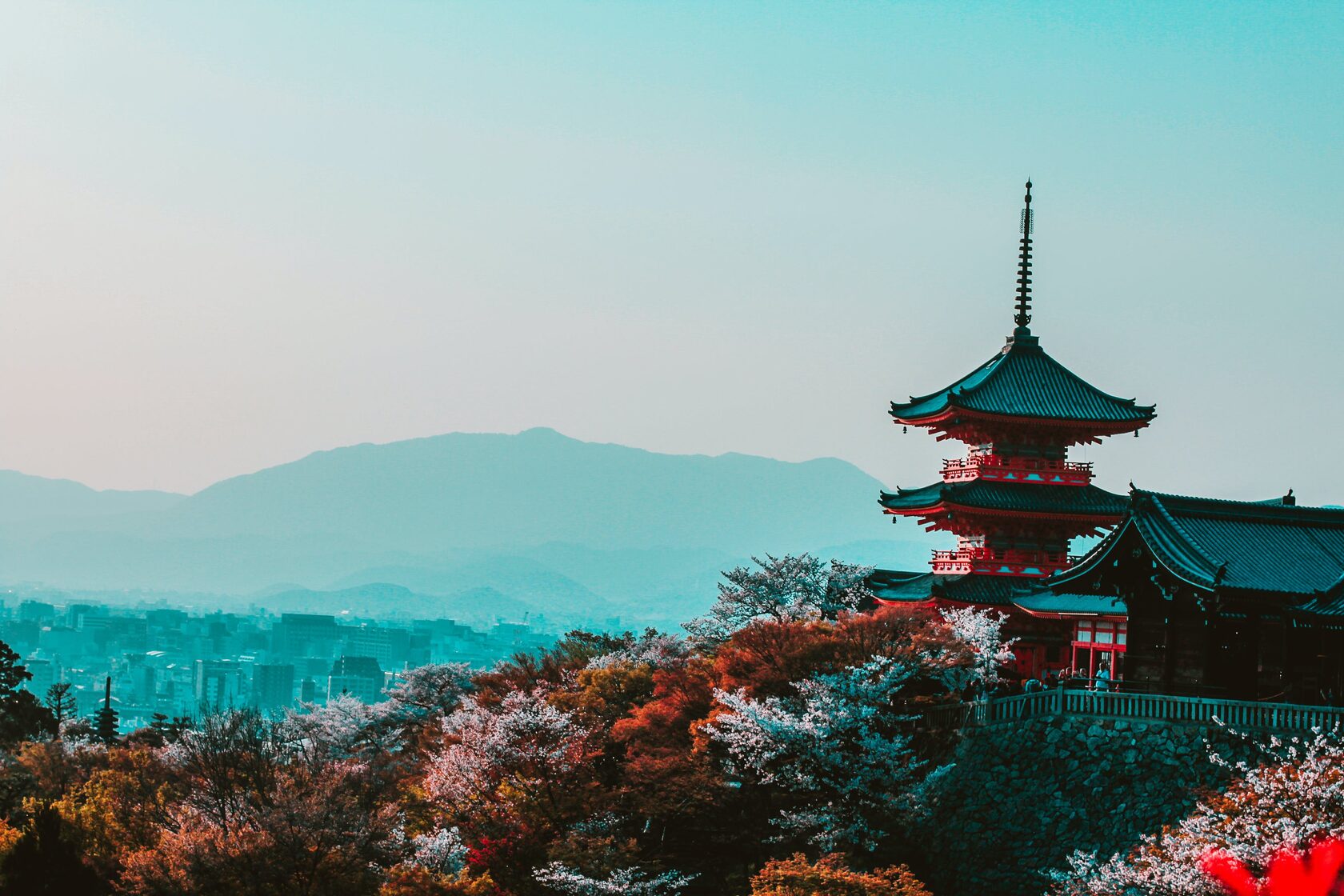
Japanese culture places significant emphasis on history, evident in the well-preserved castles and streets that retain their original construction. The country, with its polytheistic culture, boasts numerous shrines and temples, showcasing influences from both Buddhism and the traditional Shinto religion. Many of these architectural wonders, some designated as UNESCO World Heritage Sites, serve as tangible connections to Japan's rich cultural past. To immerse yourself in the history and culture of Japan, consider exploring these captivating historical sites and visiting the diverse museums scattered across the country.
What are 5 cultural facts about Japan?
Given the paramount importance of harmony in Japanese culture, various customs, traditions, and etiquette practices play a crucial role in fostering social bonds. Some intriguing traditions that often astonish foreigners include:
- Removing shoes upon entering someone's home
- Wearing masks when feeling unwell
- Abstaining from handshakes and hugs, even among close acquaintances
- Bowing at a 45-degree angle as a gesture of respect
- Making a distinctive slurping sound while consuming noodles
Black cat in Japanese culture
According to Japanese legend, a destitute monk once sat in his temple when he noticed a black cat beckoning him with its paw. Intrigued, he followed the cat and soon found himself in the company of prosperous individuals who generously donated funds, allowing him to restore his temple. This tale has since elevated images of cats raising their paws to become widespread symbols of wealth and good fortune in Japan. Black cats, in particular, are regarded as symbols of good luck, especially for single women, as they are believed to attract desirable and potential suitors.
What is the main culture of Japan?
Japanese culture is a multifaceted tapestry, weaving together traditional customs, modern innovations, and a profound appreciation for aesthetics. With a foundation in ceremonial rituals such as the tea ceremony and the art of ikebana, Japan embraces a harmonious blend of Shintoism and Buddhism, evident in various festivals and rituals. Traditional clothing like the kimono and yukata, along with iconic architectural marvels like temples and shrines, reflect the nation's rich history. Politeness and honorifics are ingrained in the language, and the world-renowned Japanese cuisine, featuring sushi and kaiseki, further enhances the cultural experience.
Art Japanese culture
Japanese culture is an artistic tapestry woven with a rich heritage spanning traditional and contemporary expressions. From the intricate woodblock prints of ukiyo-e and the stylized performances of Noh and Kabuki theater to the simplicity and elegance of sumi-e ink painting, Japan's traditional arts reflect a deep appreciation for beauty and form. In contemporary realms, manga and anime have garnered global acclaim, showcasing diverse storytelling through comic books and animated series. Japanese architecture seamlessly blends tradition with innovation, evident in the iconic structures of temples, shrines, and modern urban designs. The arts extend to everyday life with practices like ikebana, the art of flower arranging, and the cultivation of bonsai, symbolizing nature in miniature. From Harajuku fashion to street art murals, Japan's artistic landscape is a dynamic fusion of traditional craftsmanship and cutting-edge creativity, making it a continual source of fascination and inspiration.
Japanese pop culture
Japan's cultural landscape is enriched by a diverse and expansive music scene that spans various genres. From traditional folk music to contemporary J-pop and innovative electronic sounds, Japanese music reflects a broad spectrum of artistic expressions. Moreover, Japan is a breeding ground for different styles and subcultures, each with its unique identity. The Lolita style draws inspiration from the Rococo period, Gothic fashion reflects elements of 80s goth culture, and rockabilly groups emulate the aesthetic of 1950s bikers, creating a colorful tapestry of fashion and self-expression.
In the realm of film and animation, Japan has made significant contributions globally. Studio Ghibli's animated masterpieces, such as "Howl’s Moving Castle" and "The Borrower Arrietty," draw inspiration from literature, with the former based on Diana Wynne Jones's book and the latter on Mary Norton's "The Borrowers." Japanese cinema, notably samurai films, has influenced Hollywood productions, and vice versa, with a mutual exchange of themes and storytelling techniques between Japanese samurai films and Hollywood westerns.
In the realm of film and animation, Japan has made significant contributions globally. Studio Ghibli's animated masterpieces, such as "Howl’s Moving Castle" and "The Borrower Arrietty," draw inspiration from literature, with the former based on Diana Wynne Jones's book and the latter on Mary Norton's "The Borrowers." Japanese cinema, notably samurai films, has influenced Hollywood productions, and vice versa, with a mutual exchange of themes and storytelling techniques between Japanese samurai films and Hollywood westerns.
Japanese idol culture
Idols are young performers, often in their teens or early twenties, who cultivate devoted fanbases through music, dance, and personal engagement. These idols are meticulously groomed by talent agencies, and their activities extend beyond traditional music careers to include appearances in variety shows, commercials, and social media. The fan-idol relationship is characterized by a sense of intimacy and emotional connection, with fans actively participating in supporting their favorite idols. This multifaceted cultural phenomenon reflects the fusion of entertainment, marketing, and fandom, creating a distinct and influential aspect of Japanese pop culture.
Japanese anime culture
Anime, which is short for Japanese animation, has its roots dating back to the early 20th century when the first animators emerged. Often complementing manga (Japanese comic books), anime brings stories to life through animated television series. Renowned globally, anime includes iconic programs such as Pokémon, recognized for its international acclaim. Each anime artist contributes a distinctive style, often drawing inspiration from Japanese history. Notably, some anime films, like Spirited Away, have earned prestigious awards, including an Academy Award.
To truly delve into anime culture, a visit to Japan, particularly Tokyo, is essential. The term 'otaku' designates super fans of anime and manga. Akihabara, Tokyo's anime mecca, offers an immersive experience with its expansive shops, gaming centers, and unique maid cafes where young women, dressed in anime-inspired clothing, serve food and drinks in a whimsical manner.
For Pokémon enthusiasts, the Pokémon Centers in Tokyo provide a haven for card trading, battles, and a plethora of Pokémon-themed gifts. Asagaya Anime Street, nestled in the basement of the Asagaya train station, is a dedicated street offering anime-inspired memorabilia, clothing, comics, and cafes.
J-World Tokyo, an indoor theme park, caters to gaming enthusiasts by bringing anime and manga stories to life through video games and attractions based on popular comic books like Dragon Ball. Meanwhile, the Suginami Animation Museum, situated in the heart of the anime production hub, offers an interactive experience, allowing visitors to create their own animation and explore the fascinating history of anime through exhibitions, workshops, and industry talks.
To truly delve into anime culture, a visit to Japan, particularly Tokyo, is essential. The term 'otaku' designates super fans of anime and manga. Akihabara, Tokyo's anime mecca, offers an immersive experience with its expansive shops, gaming centers, and unique maid cafes where young women, dressed in anime-inspired clothing, serve food and drinks in a whimsical manner.
For Pokémon enthusiasts, the Pokémon Centers in Tokyo provide a haven for card trading, battles, and a plethora of Pokémon-themed gifts. Asagaya Anime Street, nestled in the basement of the Asagaya train station, is a dedicated street offering anime-inspired memorabilia, clothing, comics, and cafes.
J-World Tokyo, an indoor theme park, caters to gaming enthusiasts by bringing anime and manga stories to life through video games and attractions based on popular comic books like Dragon Ball. Meanwhile, the Suginami Animation Museum, situated in the heart of the anime production hub, offers an interactive experience, allowing visitors to create their own animation and explore the fascinating history of anime through exhibitions, workshops, and industry talks.
Japanese work and business culture
Japanese work and business culture is deeply rooted in tradition, with the salaryman serving as a symbol of loyalty, hard work, and commitment. These white-collar workers, dedicated to their companies, contribute not only to their organizations but also to Japan's economic growth. However, the traditional model of long working hours and the lifetime employment system faces challenges in the modern era.
The lifetime employment system, once a cornerstone, emphasizes job stability in return for loyalty. Yet, economic fluctuations and global competition have prompted some companies to reconsider this practice. Globalization has also played a role, leading to the rise of non-regular employment options like part-time and contract positions.
In striving for work-life balance, initiatives have emerged to address concerns such as overwork, or "karoshi," and the culture of minimizing personal distractions during office hours. Companies are actively promoting policies to encourage vacations and maintain a healthier equilibrium between work and personal life.
Group harmony, known as "wa," is a central tenet of Japanese work culture. The practice of "nemawashi," building consensus before decision-making, and indirect communication styles contribute to a collaborative work environment. Punctuality is highly valued, and rituals like morning exercises reinforce a sense of unity among employees.
Ceremonies, such as the "shinnenkai" (New Year gathering) and team-building activities, strengthen bonds within companies. The spirit of "omotenashi" encourages exceptional service and hospitality, creating a welcoming workplace atmosphere. After-work socializing traditions, like "nomikai" drinking parties, further enhance team camaraderie.
Respect for seniors and age-based hierarchy is deeply ingrained, evident in the use of "keigo" (honorific language) and adherence to strict etiquette. The "senpai-kohai" system fosters mentorship and guidance within the workplace. However, gender disparities persist, prompting efforts to promote diversity and inclusion.
Japanese companies are adapting to modern trends, integrating technology for increased efficiency and embracing flexible work arrangements. Remote work, accelerated by the COVID-19 pandemic, has become more prevalent, challenging traditional office-based structures. As Japan engages with the global market, English proficiency has gained importance, reflecting the evolving landscape of Japanese work and business culture.
The lifetime employment system, once a cornerstone, emphasizes job stability in return for loyalty. Yet, economic fluctuations and global competition have prompted some companies to reconsider this practice. Globalization has also played a role, leading to the rise of non-regular employment options like part-time and contract positions.
In striving for work-life balance, initiatives have emerged to address concerns such as overwork, or "karoshi," and the culture of minimizing personal distractions during office hours. Companies are actively promoting policies to encourage vacations and maintain a healthier equilibrium between work and personal life.
Group harmony, known as "wa," is a central tenet of Japanese work culture. The practice of "nemawashi," building consensus before decision-making, and indirect communication styles contribute to a collaborative work environment. Punctuality is highly valued, and rituals like morning exercises reinforce a sense of unity among employees.
Ceremonies, such as the "shinnenkai" (New Year gathering) and team-building activities, strengthen bonds within companies. The spirit of "omotenashi" encourages exceptional service and hospitality, creating a welcoming workplace atmosphere. After-work socializing traditions, like "nomikai" drinking parties, further enhance team camaraderie.
Respect for seniors and age-based hierarchy is deeply ingrained, evident in the use of "keigo" (honorific language) and adherence to strict etiquette. The "senpai-kohai" system fosters mentorship and guidance within the workplace. However, gender disparities persist, prompting efforts to promote diversity and inclusion.
Japanese companies are adapting to modern trends, integrating technology for increased efficiency and embracing flexible work arrangements. Remote work, accelerated by the COVID-19 pandemic, has become more prevalent, challenging traditional office-based structures. As Japan engages with the global market, English proficiency has gained importance, reflecting the evolving landscape of Japanese work and business culture.
Japanese car culture
Japanese car culture is a dynamic and influential phenomenon that has left an indelible mark on the global automotive scene. Renowned for its innovation, precision engineering, and a fusion of tradition with cutting-edge technology, Japan has produced iconic cars that cater to diverse tastes and preferences.
From the sleek and powerful sports cars like the Nissan GT-R and Toyota Supra to the fuel-efficient and reliable commuter vehicles such as the Toyota Corolla and Honda Civic, Japanese automakers have demonstrated a commitment to quality and performance. The car culture in Japan goes beyond manufacturing, extending to a passionate community of car enthusiasts, customized car tuning, and motorsports. Events like the Tokyo Auto Salon showcase the creativity and technical prowess of Japanese car modification and tuning, where enthusiasts transform ordinary vehicles into unique, high-performance machines. The emphasis on both aesthetics and performance has made Japanese car culture a global phenomenon, influencing automotive trends worldwide.
From the sleek and powerful sports cars like the Nissan GT-R and Toyota Supra to the fuel-efficient and reliable commuter vehicles such as the Toyota Corolla and Honda Civic, Japanese automakers have demonstrated a commitment to quality and performance. The car culture in Japan goes beyond manufacturing, extending to a passionate community of car enthusiasts, customized car tuning, and motorsports. Events like the Tokyo Auto Salon showcase the creativity and technical prowess of Japanese car modification and tuning, where enthusiasts transform ordinary vehicles into unique, high-performance machines. The emphasis on both aesthetics and performance has made Japanese car culture a global phenomenon, influencing automotive trends worldwide.
Japanese clothing culture
Traditional Japanese clothing, known as wafuku, is a captivating expression of cultural heritage, often featuring elaborate robes called kimonos adorned with a sash known as an obi, along with sandals such as zōri or geta. The iconic kimono, with its multi-layered design and wide sleeves, has been a symbol of Japanese fashion for over a millennium, reflecting elegance and versatility. Beyond its aesthetic appeal, the kimono carries deep cultural symbolism, indicating aspects of social class, history, and heritage.
Distinct from the kimono, the yukata serves as a casual alternative, made from lightweight materials like cotton or polyester and designed for warm weather. Additionally, the hakama, a formal option, is a full-length skirt worn over kimonos, while the obi functions as a decorative belt or sash. The footwear choices include zōri, akin to modern flip-flops, and geta, traditional wooden sandals raised on two slats.
Despite the rich history of traditional attire, contemporary Japan has seen a shift towards Western clothing, known as yōfuku, since the 1850s. Western fashion became particularly prevalent after World War II, leading to the development of unique Japanese street styles in the '80s and '90s. Japanese street style is characterized by bold and cutting-edge fashion, featuring loose, overfitted clothing and unique accessories like stylish sneakers and belt bags.
In addition to mainstream styles, alternative Japanese fashions have gained prominence. Harajuku fashion, originating in Tokyo's Harajuku district, blends Western and traditional Japanese elements with vibrant and colorful styles, often as a form of rebellion. Lolita fashion, characterized by childlike or doll-like features, aligns with the broader kawaii culture centered around cuteness. Kogal fashion draws inspiration from Japanese school uniforms, incorporating short skirts, jackets, and distinctive accessories.
Distinct from the kimono, the yukata serves as a casual alternative, made from lightweight materials like cotton or polyester and designed for warm weather. Additionally, the hakama, a formal option, is a full-length skirt worn over kimonos, while the obi functions as a decorative belt or sash. The footwear choices include zōri, akin to modern flip-flops, and geta, traditional wooden sandals raised on two slats.
Despite the rich history of traditional attire, contemporary Japan has seen a shift towards Western clothing, known as yōfuku, since the 1850s. Western fashion became particularly prevalent after World War II, leading to the development of unique Japanese street styles in the '80s and '90s. Japanese street style is characterized by bold and cutting-edge fashion, featuring loose, overfitted clothing and unique accessories like stylish sneakers and belt bags.
In addition to mainstream styles, alternative Japanese fashions have gained prominence. Harajuku fashion, originating in Tokyo's Harajuku district, blends Western and traditional Japanese elements with vibrant and colorful styles, often as a form of rebellion. Lolita fashion, characterized by childlike or doll-like features, aligns with the broader kawaii culture centered around cuteness. Kogal fashion draws inspiration from Japanese school uniforms, incorporating short skirts, jackets, and distinctive accessories.
Japanese food and drinking culture
For centuries, the cornerstone of the Japanese diet has been fish, with meat becoming a rarity only after the lifting of a 1,200-year ban in 1872. Surrounded by abundant water and blessed with freshwater streams, Japan's reliance on fish as the primary protein source is both historical and geographical. The health benefits of fish, rich in omega-3 fatty acids, contribute to heart health and cognitive function.
Shrines dedicated to deities like Watatsumi, the water deity, underscore the profound connection between the Japanese people and fish. Fishermen visit Watatsumi shrines to seek blessings for successful fishing ventures, offering fish as symbolic gestures. This spiritual link highlights the intertwining of the spiritual and earthly realms through the medium of food.
Japanese rituals, such as Okuizome (first meal), celebrate new life with a feast centered around fish, rice, and miso soup. Dashi, a soup stock made from fish, is the soul of Japanese cuisine, forming the basis for sauces and seasonings that define the umami flavor. A traditional Japanese breakfast, featuring fish, rice, and miso soup, reflects the essence of home-cooked comfort.
In the fast-paced modern era, bento boxes offer a convenient and nutritious solution for those with ambitious schedules. These lunchbox-style meals often feature fish as the main course, aligning with Japan's commitment to healthy and quick dining options. Sushi, a global phenomenon, takes various forms in Japan, ranging from conveyor belt sushi to luxurious dining experiences.
The incorporation of omega-3 fatty acids (DHA and EPA) from fish into functional foods highlights Japan's emphasis on health benefits. The phrase "Itadakimasu," meaning "I humbly receive," signifies appreciation for food and life, emphasizing gratitude for the sustenance provided by nature.
Switching gears to Japanese drinking culture, nomikai (drinking parties) serve as platforms for social connection. Harmony is emphasized, with the politeness of ordering the same beverage as others contributing to team strengthening. Drinking etiquette includes refraining from drinking before everyone has had a chance and not pouring one's own drink, with pouring for others signifying respect.
Pouring drinks for older or higher-status individuals and concluding a party with the phrase "Otsukare Sama Deshita" (Thank you for your hard work) are integral aspects of Japanese drinking culture.
Shrines dedicated to deities like Watatsumi, the water deity, underscore the profound connection between the Japanese people and fish. Fishermen visit Watatsumi shrines to seek blessings for successful fishing ventures, offering fish as symbolic gestures. This spiritual link highlights the intertwining of the spiritual and earthly realms through the medium of food.
Japanese rituals, such as Okuizome (first meal), celebrate new life with a feast centered around fish, rice, and miso soup. Dashi, a soup stock made from fish, is the soul of Japanese cuisine, forming the basis for sauces and seasonings that define the umami flavor. A traditional Japanese breakfast, featuring fish, rice, and miso soup, reflects the essence of home-cooked comfort.
In the fast-paced modern era, bento boxes offer a convenient and nutritious solution for those with ambitious schedules. These lunchbox-style meals often feature fish as the main course, aligning with Japan's commitment to healthy and quick dining options. Sushi, a global phenomenon, takes various forms in Japan, ranging from conveyor belt sushi to luxurious dining experiences.
The incorporation of omega-3 fatty acids (DHA and EPA) from fish into functional foods highlights Japan's emphasis on health benefits. The phrase "Itadakimasu," meaning "I humbly receive," signifies appreciation for food and life, emphasizing gratitude for the sustenance provided by nature.
Switching gears to Japanese drinking culture, nomikai (drinking parties) serve as platforms for social connection. Harmony is emphasized, with the politeness of ordering the same beverage as others contributing to team strengthening. Drinking etiquette includes refraining from drinking before everyone has had a chance and not pouring one's own drink, with pouring for others signifying respect.
Pouring drinks for older or higher-status individuals and concluding a party with the phrase "Otsukare Sama Deshita" (Thank you for your hard work) are integral aspects of Japanese drinking culture.
Japanese family culture
Family, known as "kazoku," holds a fundamental position in Japanese society, intricately intertwining individual identity, reputation, and responsibilities. Shaped by Confucian ideals emphasizing filial piety and hierarchical social structures, the traditional family structure, termed 'ie,' signifies a multi-generational household led by a patriarch. This patriarchal figure historically wielded authority over family members, with homes situated near the extended family of the husband.
The cultural significance of the family unit is epitomized by Japan's official family registry, the 'koseki,' which underscores the household as the core societal unit rather than the individual. The meticulous reporting of family details, including births, marriages, relocations, and deaths, cultivates a heightened awareness of family history, hierarchy, and genealogy. Individuals often harbor concerns about their koseki registration, recognizing its potential impact on various aspects of life.
Yet, seismic demographic shifts in recent decades have altered traditional family structures. Japan grapples with a rapidly aging population, where approximately one in four people is aged 65 or older, and a declining fertility rate. This demographic landscape results in families tending to have more elderly members than children. With an emphasis on family care, residential care homes for the elderly are limited, leading to scenarios where elderly children become caregivers—a phenomenon termed 'rōrōkaigo.'
Contemporary household units often adopt a two-generational structure, with both spouses engaged in the workforce, though gender roles tend to become more pronounced when children enter the picture. Mothers frequently assume responsibilities related to childcare, domestic chores, budget management, and social relations. The evolving dynamics in rural and urban settings underscore the adaptability of family roles in response to economic and societal changes.
Japanese society has traversed a transformative journey in gender roles, from traditional expectations to the evolving landscape after World War II. While women's participation in the workforce has increased, reentering employment after raising a child remains challenging. Gender disparities persist, with women concentrated in part-time or low-paying jobs. Single-parent households, primarily led by women, face additional hurdles in balancing employment with domestic duties.
Challenges persist regarding social expectations, stigmas, and norms affecting women. Shintō beliefs historically led to women's exclusion from certain rituals, contributing to enduring gender-related challenges. Despite legislative efforts to address inequalities, disparities persist in education, employment, and political representation. Notably, younger generations of Japanese women have embraced more neutral styles of communication in recent years.
Dating and marriage customs in Japan reveal a nuanced journey. While some youth may start dating in their mid-teens, schooling commitments often limit free time. Traditional practices like 'gokon' and introductions by 'nakodo' (matchmakers) persist alongside modern approaches such as online dating. Marriages, typically occurring in one's late twenties to early thirties, signify a significant family event. Both Western-style and Shintō-based weddings are prevalent, with couples sometimes blending elements from both traditions.
Notably, same-sex marriage remains illegal in Japan, although some progress has been made at the local government level towards recognizing same-sex unions. Divorce, once uncommon, has seen an increase, albeit accompanied by economic pressures and social stigmas.
The cultural significance of the family unit is epitomized by Japan's official family registry, the 'koseki,' which underscores the household as the core societal unit rather than the individual. The meticulous reporting of family details, including births, marriages, relocations, and deaths, cultivates a heightened awareness of family history, hierarchy, and genealogy. Individuals often harbor concerns about their koseki registration, recognizing its potential impact on various aspects of life.
Yet, seismic demographic shifts in recent decades have altered traditional family structures. Japan grapples with a rapidly aging population, where approximately one in four people is aged 65 or older, and a declining fertility rate. This demographic landscape results in families tending to have more elderly members than children. With an emphasis on family care, residential care homes for the elderly are limited, leading to scenarios where elderly children become caregivers—a phenomenon termed 'rōrōkaigo.'
Contemporary household units often adopt a two-generational structure, with both spouses engaged in the workforce, though gender roles tend to become more pronounced when children enter the picture. Mothers frequently assume responsibilities related to childcare, domestic chores, budget management, and social relations. The evolving dynamics in rural and urban settings underscore the adaptability of family roles in response to economic and societal changes.
Japanese society has traversed a transformative journey in gender roles, from traditional expectations to the evolving landscape after World War II. While women's participation in the workforce has increased, reentering employment after raising a child remains challenging. Gender disparities persist, with women concentrated in part-time or low-paying jobs. Single-parent households, primarily led by women, face additional hurdles in balancing employment with domestic duties.
Challenges persist regarding social expectations, stigmas, and norms affecting women. Shintō beliefs historically led to women's exclusion from certain rituals, contributing to enduring gender-related challenges. Despite legislative efforts to address inequalities, disparities persist in education, employment, and political representation. Notably, younger generations of Japanese women have embraced more neutral styles of communication in recent years.
Dating and marriage customs in Japan reveal a nuanced journey. While some youth may start dating in their mid-teens, schooling commitments often limit free time. Traditional practices like 'gokon' and introductions by 'nakodo' (matchmakers) persist alongside modern approaches such as online dating. Marriages, typically occurring in one's late twenties to early thirties, signify a significant family event. Both Western-style and Shintō-based weddings are prevalent, with couples sometimes blending elements from both traditions.
Notably, same-sex marriage remains illegal in Japan, although some progress has been made at the local government level towards recognizing same-sex unions. Divorce, once uncommon, has seen an increase, albeit accompanied by economic pressures and social stigmas.