
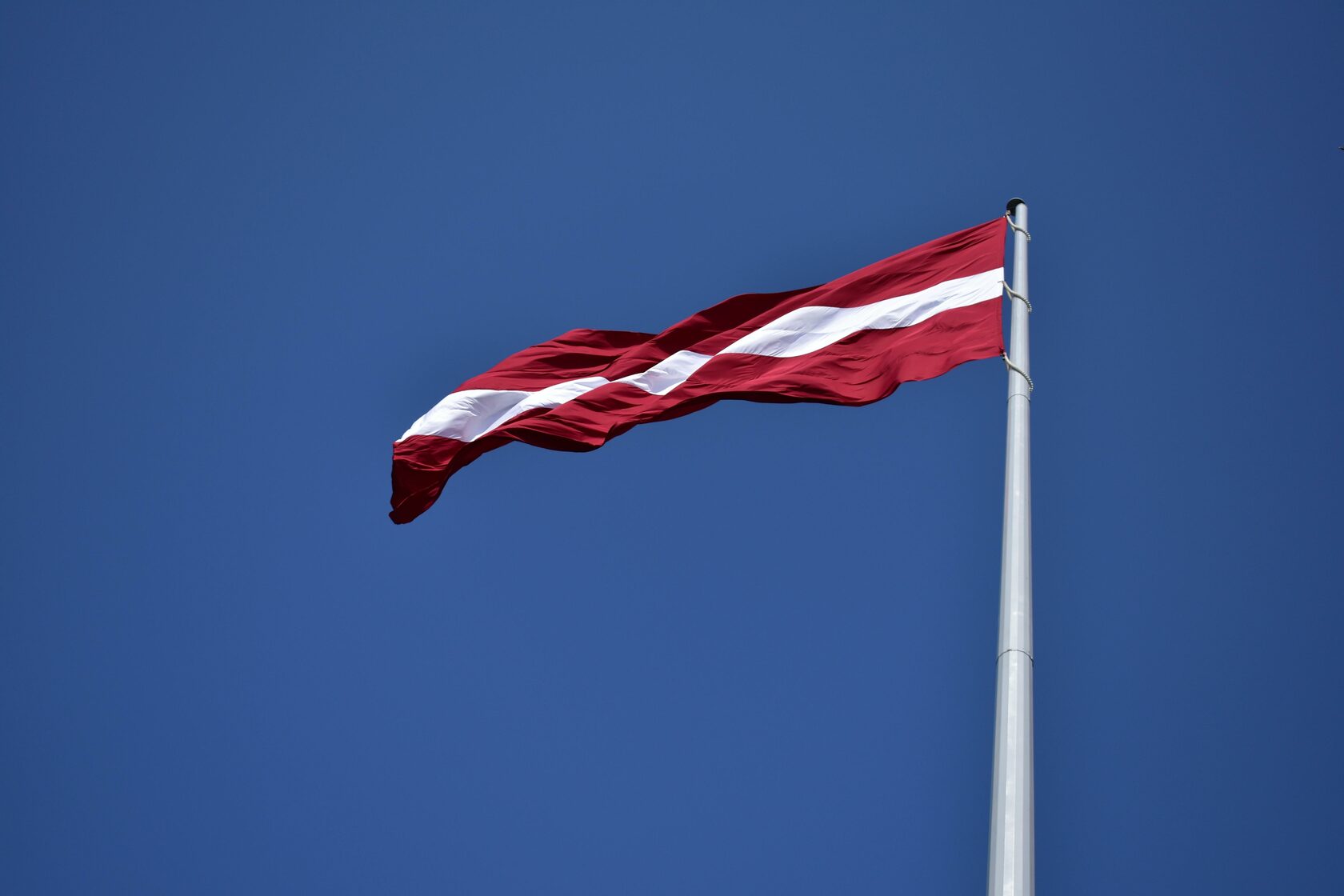
Let's delve into this question. We'll explore Latvia's current status within the European Union.
When did Latvia join the EU?
Fifteen years ago, on May 1, 2004, Latvia officially became a member of the European Union (EU), concluding a nearly decade-long accession process. In the context of a delicate geopolitical landscape, the decision to align with Europe was evident, despite earlier considerations of neutrality or enhanced collaboration with the Commonwealth of Independent States within the political discourse. The historical context, deeply embedded in the collective memory, played a crucial role in steering Latvia towards EU integration, ultimately endorsing the concept of a "return to Europe."
How much representation does Latvia have in the EU?
Latvia is represented by seven delegates on the European Committee of the Regions, an assembly that brings together regional and local representatives from across the European Union (EU). As an advisory body, it plays a crucial role in the legislative process by providing input and insights to ensure that proposed laws consider the perspectives and interests of each region within the EU.
Latvia in Europe map
Latvia holds a central position among the Baltic States, which include Estonia, Latvia, and Lithuania. Nestled in northeastern Europe along the east coast of the Baltic Sea, Latvia's geographic coordinates are approximately 57°00'N latitude and 25°00'E longitude. The nation's terrain comprises fertile lowland plains and gentle hills, with the majority of its land hovering around 100 meters above sea level. Latvia boasts expansive forested regions, a comprehensive network of rivers, numerous lakes, and hundreds of kilometers of pristine seashores adorned with pine forests, dunes, and white sandy beaches.
How developed is Latvia in Europe?
Latvia is considered a developed country in Europe, but it may not be as economically advanced as some of the Western European nations. Latvia has made significant progress since gaining independence from the Soviet Union in 1991. The country has implemented economic reforms and adopted the euro as its currency in 2014.
Latvia has a diverse economy with strengths in areas such as information technology, finance, and manufacturing. However, it faces challenges such as regional disparities, emigration, and issues related to income inequality. The overall development status of Latvia is influenced by factors like economic indicators, infrastructure, social well-being, and other criteria used to assess the development level of a country.
Latvia has a diverse economy with strengths in areas such as information technology, finance, and manufacturing. However, it faces challenges such as regional disparities, emigration, and issues related to income inequality. The overall development status of Latvia is influenced by factors like economic indicators, infrastructure, social well-being, and other criteria used to assess the development level of a country.