
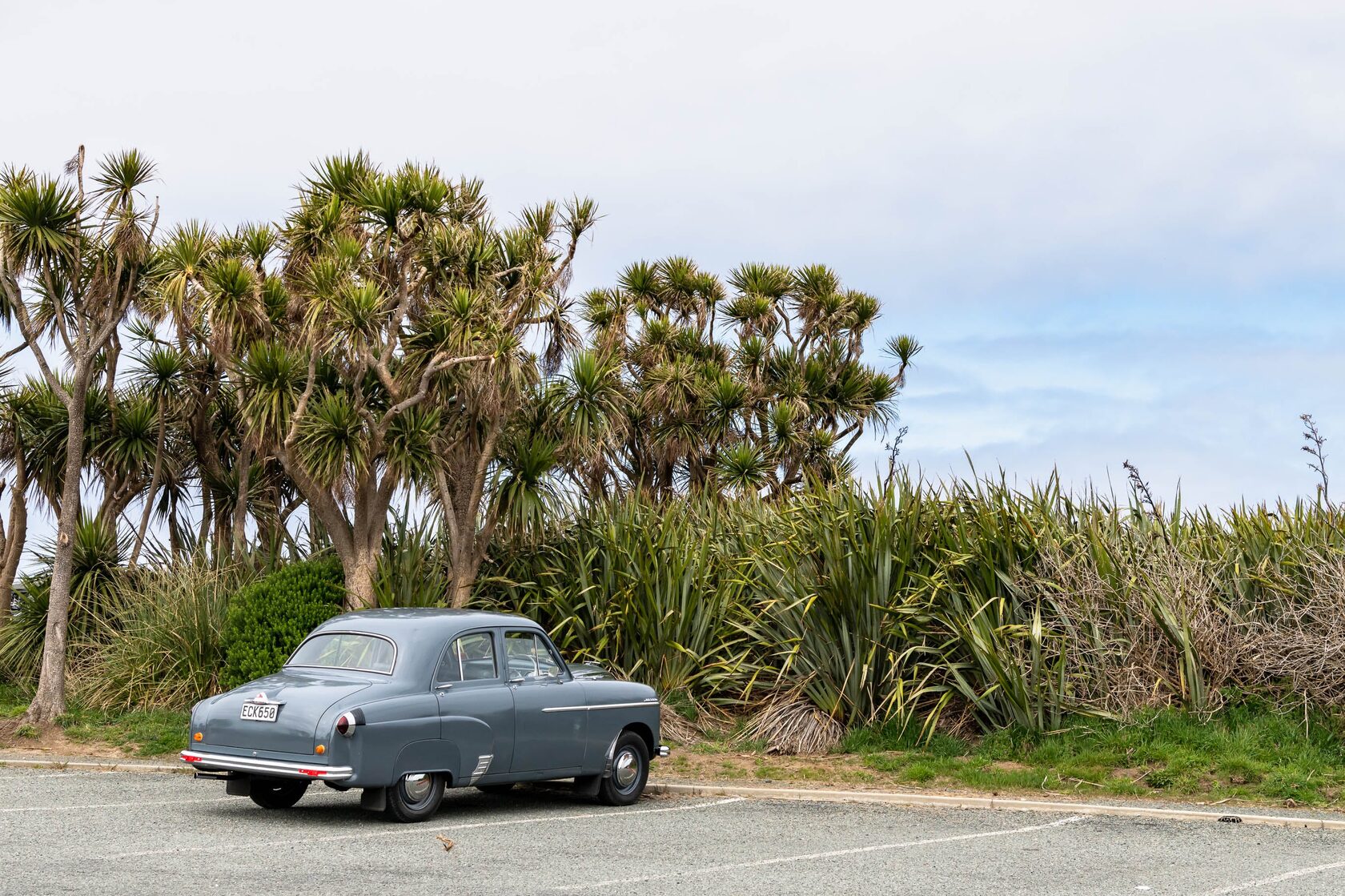
New Zealand's culture is a rich tapestry woven from the diverse threads of Maori and European traditions, creating a unique and vibrant societal fabric.
New Zealand: history and culture
Polynesian voyagers arrived at the New Zealand islands between 1250 and 1300, laying the foundation for the development of Māori culture rooted in Polynesian traditions. Over centuries, Māori established distinct tribes, constructed fortified villages, engaged in hunting, fishing, trade, agriculture, arts, and warfare, preserving their history through oral traditions. European contact from 1800 onwards brought significant changes, including British immigration, the introduction of Christianity, advanced technology, and the signing of the Treaty of Waitangi in 1840. The ensuing New Zealand Wars resulted in Māori losing land, but they maintained their identity, language (te reo Māori), and a separate lifestyle. European settlers, or Pākehā, forged their identity shaped by a pioneering history, rural lifestyle, and the unique New Zealand environment. Biculturalism and the Treaty of Waitangi were incorporated into the school curriculum in the late 20th century to foster understanding between Māori and Pākehā. Globalization and immigration in recent times have further enriched New Zealand's culture, with influences from the Pacific Islands, East Asia, and South Asia evident. The quest for a distinct New Zealand identity gained momentum around World War I, marked by the emergence of the Anzac spirit. Many citizens, emphasizing unity, commonly identify themselves as New Zealanders or "Kiwis," reflecting a national character that transcends ethnic divisions. New Zealand observes national days of remembrance such as Waitangi Day and Anzac Day, commemorating historical milestones and fostering a shared sense of heritage.
Maori culture in New Zealand
Māoritanga, encompassing the customs, cultural practices, and beliefs of New Zealand's indigenous Māori people, has its roots in Eastern Polynesian culture. Integral to the broader New Zealand culture and extending globally through a widespread diaspora and the integration of Māori motifs into popular culture, Māoritanga is often synonymous with Māori culture. The term is also translated as "[a] Māori way of life," capturing the essence of Māori cultural identity.
Throughout history, four distinct yet interconnected cultural eras have shaped Māori culture:
Traditional Māori arts, such as whakairo (carving), raranga (weaving), kapa haka (group performance), whaikōrero (oratory), and tā moko (tattoo), play a significant role in New Zealand's artistic landscape. These arts convey Māori beliefs and genealogies, with practitioners often following ancestral techniques. In the contemporary era, Māoritanga embraces modern forms like film, television, poetry, and theatre.
The Māori language, te reo Māori, faced a decline at the beginning of the twentieth century, but government-sponsored schools, such as Kura Kaupapa Māori, emerged in the 1980s, contributing to its revitalization. Tikanga Māori, comprising cultural values, customs, and practices, emphasizes the sacred, community care, land rights, and dynamic relationships with the environment. Unlike western ethical or judicial systems, Tikanga operates without a central authority, relying on community accountability as the primary mechanism for enforcement.
Throughout history, four distinct yet interconnected cultural eras have shaped Māori culture:
- Archaic period: Before Māori culture differentiated from other Polynesian cultures.
- Classic period: Before widespread European contact.
- 19th century: Intensive interaction with European visitors and settlers.
- Modern era: Beginning in the twentieth century and influenced by urbanization, closer contact with Pākehā (New Zealanders of European descent), and a revival of traditional practices.
Traditional Māori arts, such as whakairo (carving), raranga (weaving), kapa haka (group performance), whaikōrero (oratory), and tā moko (tattoo), play a significant role in New Zealand's artistic landscape. These arts convey Māori beliefs and genealogies, with practitioners often following ancestral techniques. In the contemporary era, Māoritanga embraces modern forms like film, television, poetry, and theatre.
The Māori language, te reo Māori, faced a decline at the beginning of the twentieth century, but government-sponsored schools, such as Kura Kaupapa Māori, emerged in the 1980s, contributing to its revitalization. Tikanga Māori, comprising cultural values, customs, and practices, emphasizes the sacred, community care, land rights, and dynamic relationships with the environment. Unlike western ethical or judicial systems, Tikanga operates without a central authority, relying on community accountability as the primary mechanism for enforcement.
Work and business culture of New Zealand
In New Zealand, the work culture is characterized by a proactive and collaborative approach, where employers and colleagues value the contribution of each individual. Known as Kiwis, New Zealanders are friendly and welcoming, often having a global perspective due to their overseas experiences. In this work environment, independence is encouraged, and employees are expected to think creatively and work well within a team.
Businesses in New Zealand, frequently smaller in size, emphasize a flatter organizational structure, allowing employees to work closely with decision-makers. Status holds little significance, and managers prefer a friendly, egalitarian approach. A unique aspect of integration for immigrants is the buddy system, where a workmate assists newcomers in acclimating to the workplace.
New Zealanders are known for enjoying an exceptional work-life balance, with employers being understanding of employees' needs. Flexibility in work arrangements, including working from home, is becoming more common. Immigrant workers are advised to be aware of the settlement process, recognizing that initial excitement may be followed by a period of adjustment.
In the realm of business meetings, New Zealanders prefer informal, participative communication. Trustworthiness is assessed based on credentials, personality, and effective communication skills. While meetings may involve social conversation to build rapport, business matters are approached directly and seriously. Decision-making processes can be time-consuming, but New Zealanders value inclusivity and teamwork.
The management style in New Zealand emphasizes equal opportunity and meritocracy, with status earned through abilities rather than job titles. Hierarchies are important for operational efficiency, but superiors typically collaborate with subordinates. Micromanagement is generally disliked, and employees are encouraged to freely share ideas and contribute to decision-making processes.
In workplace communication, a balance between informality and effectiveness is key. Softeners are often used to convey orders or requests politely. Constructive criticism is best presented collaboratively, allowing employees to feel agency over decisions. Reliability is highly valued, and New Zealanders tend to trust others unless given a reason not to.
Considerations for business interactions include avoiding overselling, maintaining a relaxed outward demeanor, and recognizing the importance of reliability. Nepotism is generally frowned upon, as New Zealand values merit-based employment. Gift-giving is not a common practice, but appreciation for congratulatory gifts after deal closures is present. Overall, the business culture in New Zealand emphasizes integrity, collaboration, and a healthy work-life balance.
Businesses in New Zealand, frequently smaller in size, emphasize a flatter organizational structure, allowing employees to work closely with decision-makers. Status holds little significance, and managers prefer a friendly, egalitarian approach. A unique aspect of integration for immigrants is the buddy system, where a workmate assists newcomers in acclimating to the workplace.
New Zealanders are known for enjoying an exceptional work-life balance, with employers being understanding of employees' needs. Flexibility in work arrangements, including working from home, is becoming more common. Immigrant workers are advised to be aware of the settlement process, recognizing that initial excitement may be followed by a period of adjustment.
In the realm of business meetings, New Zealanders prefer informal, participative communication. Trustworthiness is assessed based on credentials, personality, and effective communication skills. While meetings may involve social conversation to build rapport, business matters are approached directly and seriously. Decision-making processes can be time-consuming, but New Zealanders value inclusivity and teamwork.
The management style in New Zealand emphasizes equal opportunity and meritocracy, with status earned through abilities rather than job titles. Hierarchies are important for operational efficiency, but superiors typically collaborate with subordinates. Micromanagement is generally disliked, and employees are encouraged to freely share ideas and contribute to decision-making processes.
In workplace communication, a balance between informality and effectiveness is key. Softeners are often used to convey orders or requests politely. Constructive criticism is best presented collaboratively, allowing employees to feel agency over decisions. Reliability is highly valued, and New Zealanders tend to trust others unless given a reason not to.
Considerations for business interactions include avoiding overselling, maintaining a relaxed outward demeanor, and recognizing the importance of reliability. Nepotism is generally frowned upon, as New Zealand values merit-based employment. Gift-giving is not a common practice, but appreciation for congratulatory gifts after deal closures is present. Overall, the business culture in New Zealand emphasizes integrity, collaboration, and a healthy work-life balance.
Food culture in New Zealand
Classic New Zealand cuisine showcases a delectable array of dishes featuring lamb, pork, venison, salmon, crayfish, bluff oysters, whitebait, mussels, scallops, kumara (sweet potato), kiwifruit, tamarillo, and the iconic pavlova. The pavlova, a meringue-based dessert, is a subject of rivalry between New Zealand and Australia, both claiming its origins. Historical evidence, however, leans towards New Zealand, as the oldest known pavlova recipe is attributed to Kiwi roots.
Car culture in New Zealand
In the realm of New Zealand's car culture, a unique blend of passion, creativity, and a 'do-it-yourself' spirit defines the nation's automotive enthusiasts. With a penchant for iconic Japanese Domestic Market (JDM) vehicles, Kiwi car lovers have embraced a wide range of imports, including revered models like the Nissan Skyline GTR. The influence of global phenomena, such as the Fast and Furious franchise, has left an indelible mark on the automotive landscape, inspiring a generation of enthusiasts.
The journey into the car culture in New Zealand often begins modestly, with young petrol heads striving to stand out and be recognized within the community. Working part-time jobs to fund their passion, enthusiasts embark on personal projects, transforming ordinary vehicles into personalized expressions of automotive art. Whether it's the subtle modifications or the camaraderie shared at car meets, the essence of car culture in New Zealand lies in the details and the sense of belonging within a community that understands the language of horsepower and design.
Despite being over nine thousand kilometers apart, New Zealand and Japan share a common thread in their automotive scenes — the desire to break away from conventional car manufacturing and express individuality. New Zealand's car culture, influenced by Japanese trends, spans a diverse spectrum, from stance and function to rally and unique builds, reflecting the nation's freedom from stringent emissions regulations. The eclectic mix of cars in New Zealand showcases a vibrant automotive community exploring various aspects of car culture, be it European, JDM, or homegrown builds.
The thriving car scene in New Zealand extends beyond the streets, with dedicated clubs and events celebrating European-built cars. Kiwi car enthusiasts are known for their commitment to their rides, often sacrificing basic comforts for the sake of advancing their builds. The country's breathtaking landscapes and winding roads have become the backdrop for numerous car films, further cementing New Zealand's reputation as a hub for automotive passion.
In the heart of this unique car culture is the typical Kiwi's curiosity and inclination to tinker with vehicles of all kinds. Grassroots events and a supportive community nurture automotive skills and a shared appreciation for 'four wheels.' Regardless of brand specificity, New Zealand's car community values the uniqueness of each vehicle, pushing boundaries in terms of modifications and performance upgrades. For those immersed in this tight-knit community, New Zealand's car culture is not just defined by the cars on the streets but by the people who drive them, united by a shared love for all things automotive.
The journey into the car culture in New Zealand often begins modestly, with young petrol heads striving to stand out and be recognized within the community. Working part-time jobs to fund their passion, enthusiasts embark on personal projects, transforming ordinary vehicles into personalized expressions of automotive art. Whether it's the subtle modifications or the camaraderie shared at car meets, the essence of car culture in New Zealand lies in the details and the sense of belonging within a community that understands the language of horsepower and design.
Despite being over nine thousand kilometers apart, New Zealand and Japan share a common thread in their automotive scenes — the desire to break away from conventional car manufacturing and express individuality. New Zealand's car culture, influenced by Japanese trends, spans a diverse spectrum, from stance and function to rally and unique builds, reflecting the nation's freedom from stringent emissions regulations. The eclectic mix of cars in New Zealand showcases a vibrant automotive community exploring various aspects of car culture, be it European, JDM, or homegrown builds.
The thriving car scene in New Zealand extends beyond the streets, with dedicated clubs and events celebrating European-built cars. Kiwi car enthusiasts are known for their commitment to their rides, often sacrificing basic comforts for the sake of advancing their builds. The country's breathtaking landscapes and winding roads have become the backdrop for numerous car films, further cementing New Zealand's reputation as a hub for automotive passion.
In the heart of this unique car culture is the typical Kiwi's curiosity and inclination to tinker with vehicles of all kinds. Grassroots events and a supportive community nurture automotive skills and a shared appreciation for 'four wheels.' Regardless of brand specificity, New Zealand's car community values the uniqueness of each vehicle, pushing boundaries in terms of modifications and performance upgrades. For those immersed in this tight-knit community, New Zealand's car culture is not just defined by the cars on the streets but by the people who drive them, united by a shared love for all things automotive.
What European culture is most notable in New Zealand?
In New Zealand, European culture, particularly British culture, has had a significant and enduring influence. The historical ties between New Zealand and Britain, stemming from the colonial period, have shaped various aspects of New Zealand's societal norms, governance, language, and traditions.
New Zealand vs US culture
New Zealand has a strong sporting culture, with rugby being a predominant passion, closely followed by cricket. In the United States, American Football, basketball, and baseball take center stage. Interestingly, more Americans engage in playing rugby compared to the number of Kiwis who are familiar with American Football.
The cultural differences extend to the work-life balance, where New Zealanders tend to prioritize life over work, embracing a more laid-back approach. Conversely, in the United States, a competitive and cutthroat mindset often places work ahead of personal life.
Sports loyalties also diverge, with New Zealanders showing greater allegiance to regional and franchise rugby or cricket teams rather than college sports teams, which hold significant importance in American culture.
In everyday life, it's common to witness Kiwis casually walking barefoot in public spaces like supermarkets and coffee shops. This contrasts with the United States, where the sight of individuals without footwear in such places is rare, except for beach environments.
Social interactions in pubs, bars, and nightclubs differ, with New Zealand cities being characterized by approachable and responsive people. In the United States, there is a notable variance among states and cities, and while interactions occur, they may not always match the smooth and friendly atmosphere found in New Zealand.
The cultural differences extend to the work-life balance, where New Zealanders tend to prioritize life over work, embracing a more laid-back approach. Conversely, in the United States, a competitive and cutthroat mindset often places work ahead of personal life.
Sports loyalties also diverge, with New Zealanders showing greater allegiance to regional and franchise rugby or cricket teams rather than college sports teams, which hold significant importance in American culture.
In everyday life, it's common to witness Kiwis casually walking barefoot in public spaces like supermarkets and coffee shops. This contrasts with the United States, where the sight of individuals without footwear in such places is rare, except for beach environments.
Social interactions in pubs, bars, and nightclubs differ, with New Zealand cities being characterized by approachable and responsive people. In the United States, there is a notable variance among states and cities, and while interactions occur, they may not always match the smooth and friendly atmosphere found in New Zealand.