
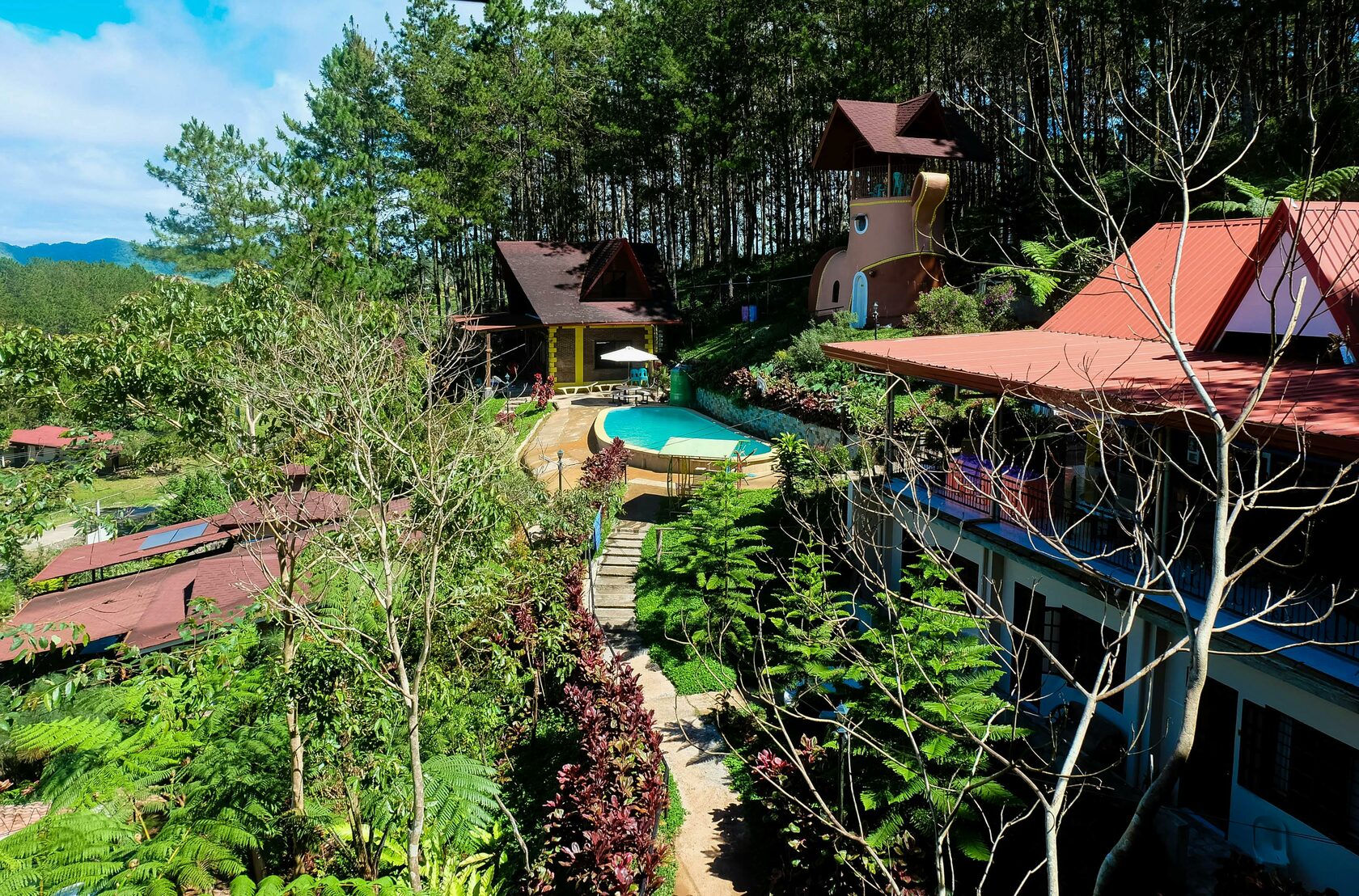
Becoming a permanent resident in the Philippines is a significant step toward establishing a long-term presence in the country. This status offers expatriates the opportunity to reside permanently, enjoying certain privileges and rights within the Philippine community.
Permanent residence in the Philippines: requirements and documents
Obtaining permanent residence in the Philippines involves a thorough process with specific requirements and documents. One of the primary pathways is through the Philippine Retirement Authority (PRA) for retirees, or through other visa categories like the Special Resident Retiree's Visa (SRRV) program. Generally, the key requirements include a valid passport, a visa application, proof of financial stability, and other supporting documents such as a police clearance and a medical examination certificate.
How to become a permanent resident of the Philippines through employment?
To become a permanent resident of the Philippines through employment, there are several steps and requirements you need to fulfill. Keep in mind that immigration policies may change, so it's advisable to check with the Philippine Bureau of Immigration or consult with an immigration lawyer for the most up-to-date information.
After residing and working in the Philippines for a certain number of years under a work visa, you may become eligible to apply for permanent residency. The specific requirements for permanent residency through employment may vary, but they often include a minimum number of years of continuous legal residence in the country, proof of financial stability, and other criteria set by the Bureau of Immigration.
- Secure Employment: The first step is to secure a job in the Philippines. You need to be employed by a registered company in the country. The company will typically play a crucial role in your application process and may need to sponsor your visa.
- Apply for a Special Work Permit (SWP) and Work Visa: After securing employment, you will need to apply for a Special Work Permit (SWP) and a work visa from the Bureau of Immigration. The SWP is usually issued for an initial period, and it allows you to work legally in the Philippines. Subsequently, you can apply for a work visa, such as the 9(g) Pre-arranged Employee Visa, which is valid for one year and can be extended.
After residing and working in the Philippines for a certain number of years under a work visa, you may become eligible to apply for permanent residency. The specific requirements for permanent residency through employment may vary, but they often include a minimum number of years of continuous legal residence in the country, proof of financial stability, and other criteria set by the Bureau of Immigration.
Property investment permanent resident in the Philippines
Acquiring a residence permit through investment remains a highly effective method for securing permanent residency. Many foreign individuals favor the option of obtaining residency status by investing in businesses or purchasing assets. In the Republic of the Philippines, investor visas are granted to those who have injected $75,000 into the state's economy. This avenue is accessible to individuals aged 21 and above, with a clean criminal record and documented proof of good health. The investor visa not only allows the entrepreneur to enter the country but also extends to include their family, including children.
Permanent resident in the Philippines: cost
Fees for the main applicant in the processing of a permanent resident application in the Philippines amount to $1,400, with the total fees reaching $1,760. For the spouse, the processing fees are $300, while additional fees of $360 cover the annual fee for up to three family members. Consequently, the total fees for the spouse amount to $300.
How long to get a permanent resident visa in the Philippines?
Achieving permanent visa status in the Philippines typically involves undergoing a one-year probationary period, followed by the renewal of the Alien Certificate of Registration (ACR I-card) every five years.
The processing time generally falls within the range of two to three weeks.
The processing time generally falls within the range of two to three weeks.
How to renew permanent resident status in the Philippines?
Renewing permanent resident status in the Philippines involves a straightforward process. Permanent residents need to submit a renewal application to the Bureau of Immigration before the expiration of their Alien Certificate of Registration (ACR I-card), which typically has a five-year validity. The renewal application includes the completion of necessary forms, payment of applicable fees, and submission of required documents such as proof of financial capacity and updated personal information. Once the renewal is approved, a new ACR I-card is issued, allowing the individual to maintain their permanent resident status in the country.