
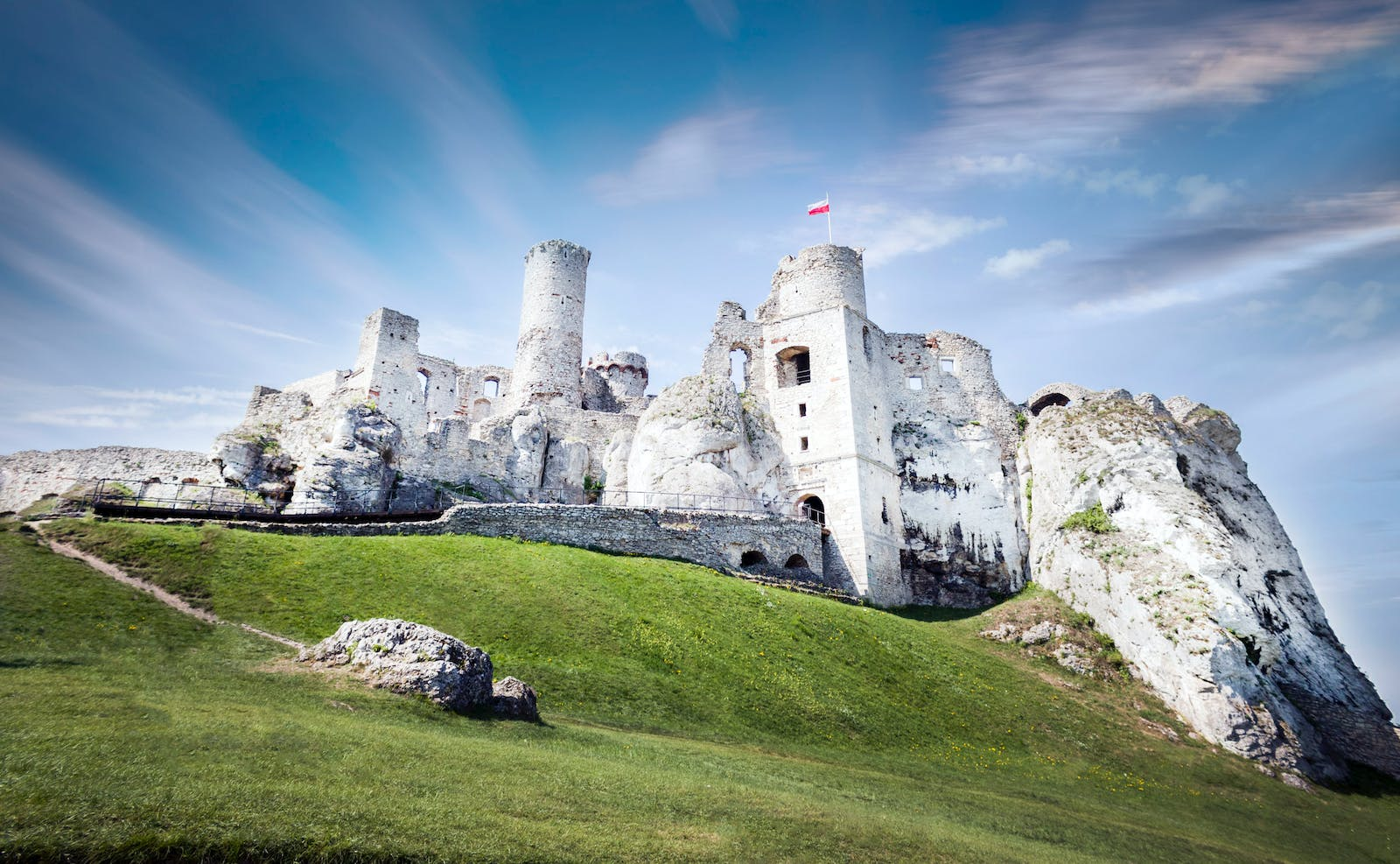
Biggest cities in Poland
Poland is home to several major cities, each with its own unique characteristics and significance. Among these cities, Warsaw, the capital, stands as a vibrant European hub with a rich cultural heritage. Krakow, Poland's ancient capital, has earned a reputation as a top tourist destination and a center of culture and education. Lodz, the third-largest city, is known for its thriving academic community and the famous Piotrkowska Street, one of the world's longest commercial streets.
Warsaw - The Capital
Warsaw, Poland's capital, is the country's largest city, located in east-central Poland along the Vistula River. It boasts a population of around 1.74 million residents within the city limits and a greater metropolitan area of approximately 2.67 million residents. This makes Warsaw the 9th most populous capital city in the European Union. Covering an area of 516.9 square kilometers, Warsaw is not only a major international tourist destination but also a significant cultural, political, and economic center. In 2012, it was ranked as the 32nd most liveable city in the world by the Economist Intelligence Unit.

Krakow - The Cultural Capital
Krakow, Poland's second-largest city and its ancient capital, is a top tourist destination known for its rich history and cultural significance. It holds the title of the country's cultural capital and houses seven universities and numerous other educational institutions, making it a prominent center of science and education in Poland. Krakow's diverse economy encompasses a growing service sector, while industry and production remain essential contributors to the local economy. It's regarded as the metropolis of southern Poland and the capital of the Malopolska Province.
Lodz - A Thriving Academic Hub
Lodz, the third-largest city in Poland, is situated in the central part of the country. With a population of 715,360 in 2013, Lodz is the capital of Łódź Voivodeship and is approximately 135 kilometers southwest of Warsaw. The city's coat of arms, featuring a boat, is a play on words, as "Łódź" translates to "boat" in Polish. Lodz is a thriving academic center, hosting state-owned universities and several higher education institutions. The city's iconic Piotrkowska Street, stretching for over five kilometers, remains a major tourist attraction and is one of the world's longest commercial streets.
Most beautiful cities in Poland
Wrocław - European Capital of Culture
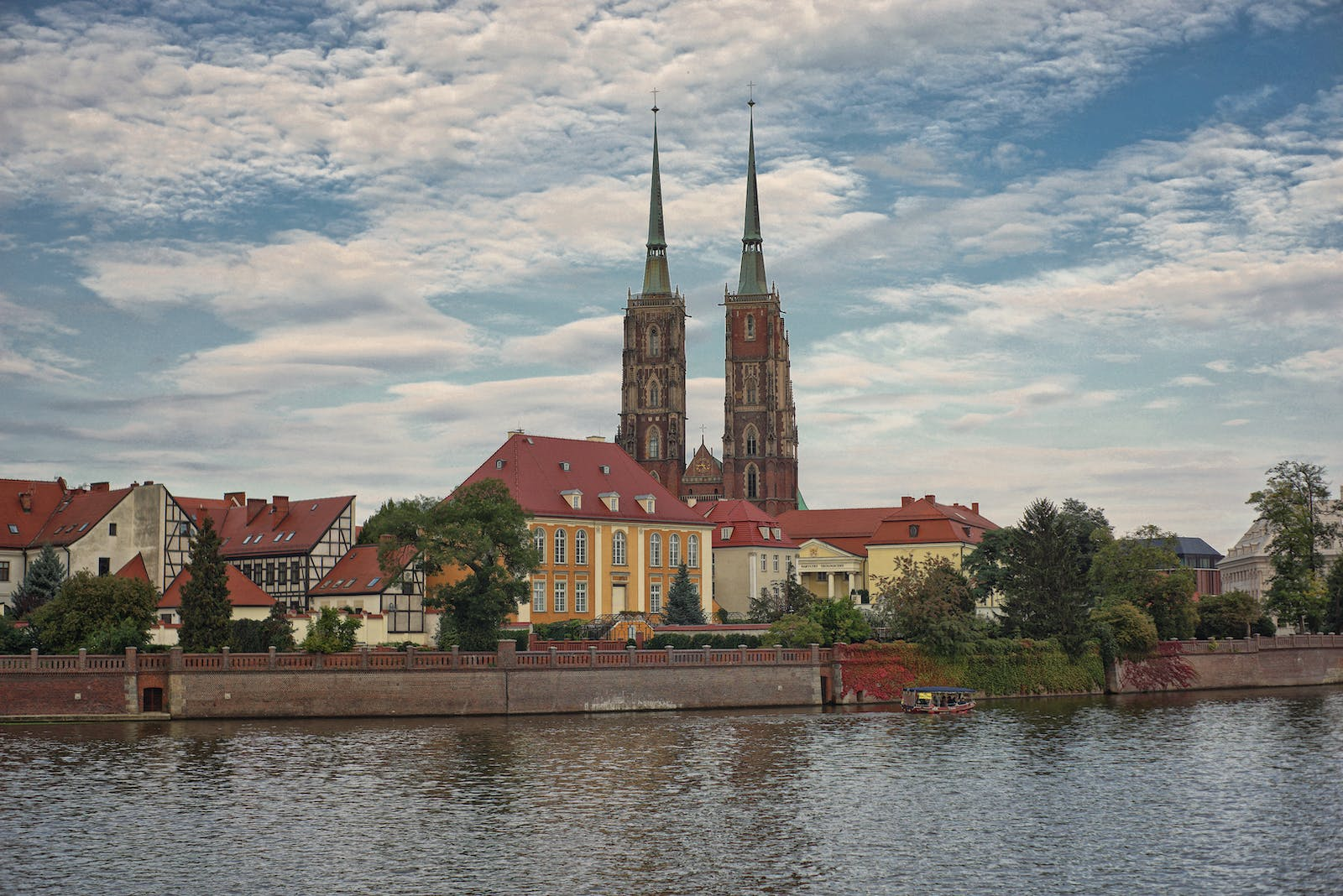
Wrocław, proudly holding the title of the European Capital of Culture, is a testament to Poland's exceptional cities. This enchanting city, adorned with meandering rivers and numerous bridges, is one of Europe's top 10 cities in terms of bridge count. Its romantic allure is amplified by the colorful townhouses and gas-fueled street lamps illuminating the cobbled streets of Ostrów Tumski, Wrocław's oldest district. Throughout the city, you'll encounter whimsical dwarf sculptures commemorating influential figures, historical events, and remarkable social phenomena.
Notable attractions unique to Wrocław include the stunning Japanese Garden and Hydropolis, an interactive center dedicated to the science and knowledge of water. If you're looking for a distinctive and captivating destination, Wrocław is a must-visit.
Notable attractions unique to Wrocław include the stunning Japanese Garden and Hydropolis, an interactive center dedicated to the science and knowledge of water. If you're looking for a distinctive and captivating destination, Wrocław is a must-visit.
Gdańsk - The Seaside Gem
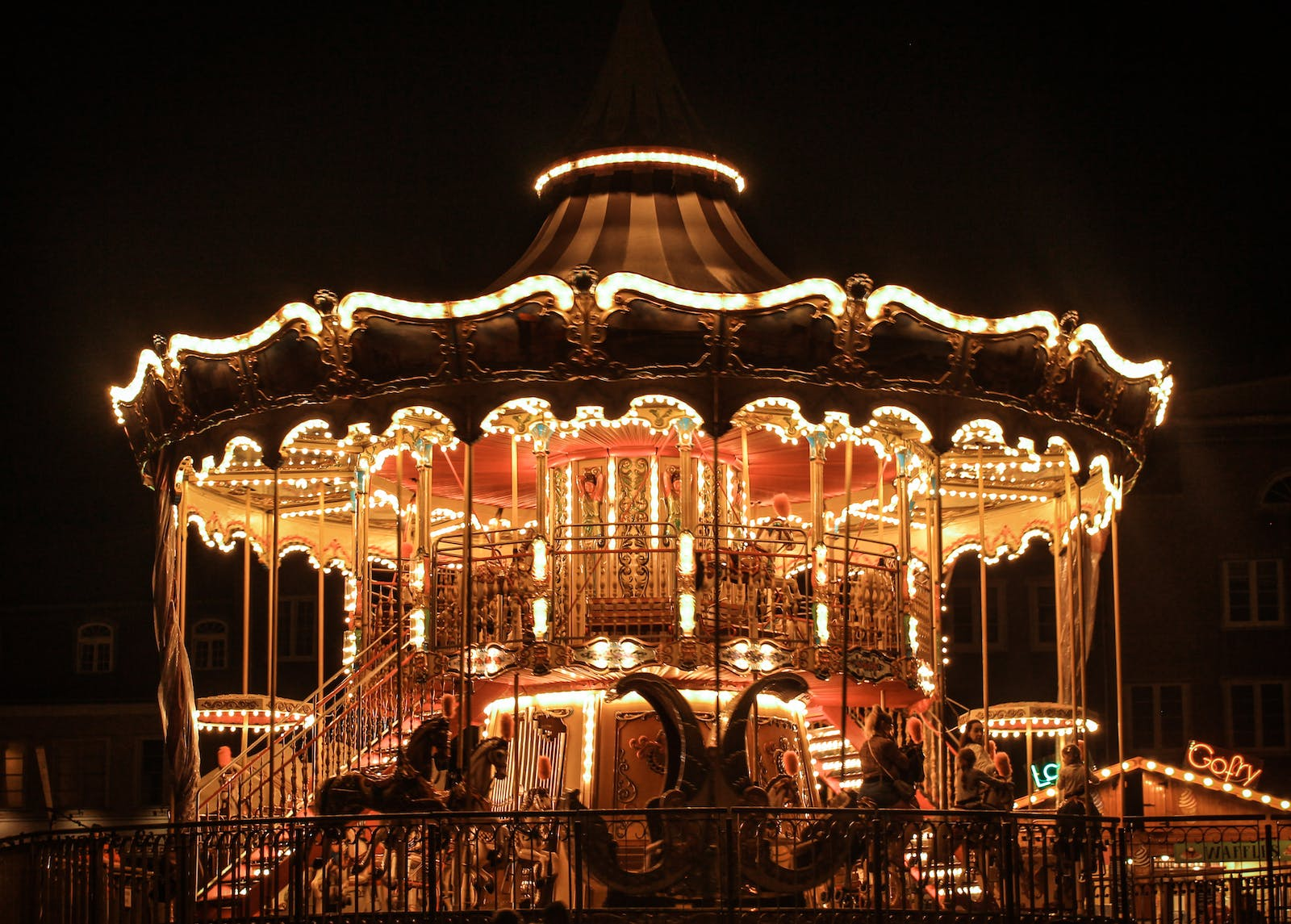
When seeking the perfect destination for a weekend getaway in Poland, Gdańsk is a prime choice. Situated at the heart of the Tri-City region, Gdańsk shines as a architectural gem and a gateway to the Baltic Sea. This exquisite port city, known for its rich history, caters to history enthusiasts, culinary connoisseurs, relaxation seekers, and nature lovers alike. Mariacka, Gdańsk's most renowned street, is a visual delight, adorned with intricate ornaments on its historic merchant townhouses, and nearby, you can marvel at the majestic sailing ships moored along Długie Pobrzeże.
While in Gdańsk, make sure to explore the European Solidarity Centre, housed in a unique building resembling a rusty ship's hull, and take a leisurely stroll down the "road to eternity" - an avenue of beautifully trimmed lime trees in Oliwski Park. Don't forget to capture a memorable photo at the Neptune's Fountain, a symbolic landmark of Gdańsk.
While in Gdańsk, make sure to explore the European Solidarity Centre, housed in a unique building resembling a rusty ship's hull, and take a leisurely stroll down the "road to eternity" - an avenue of beautifully trimmed lime trees in Oliwski Park. Don't forget to capture a memorable photo at the Neptune's Fountain, a symbolic landmark of Gdańsk.
Olsztyn - City of Lakes
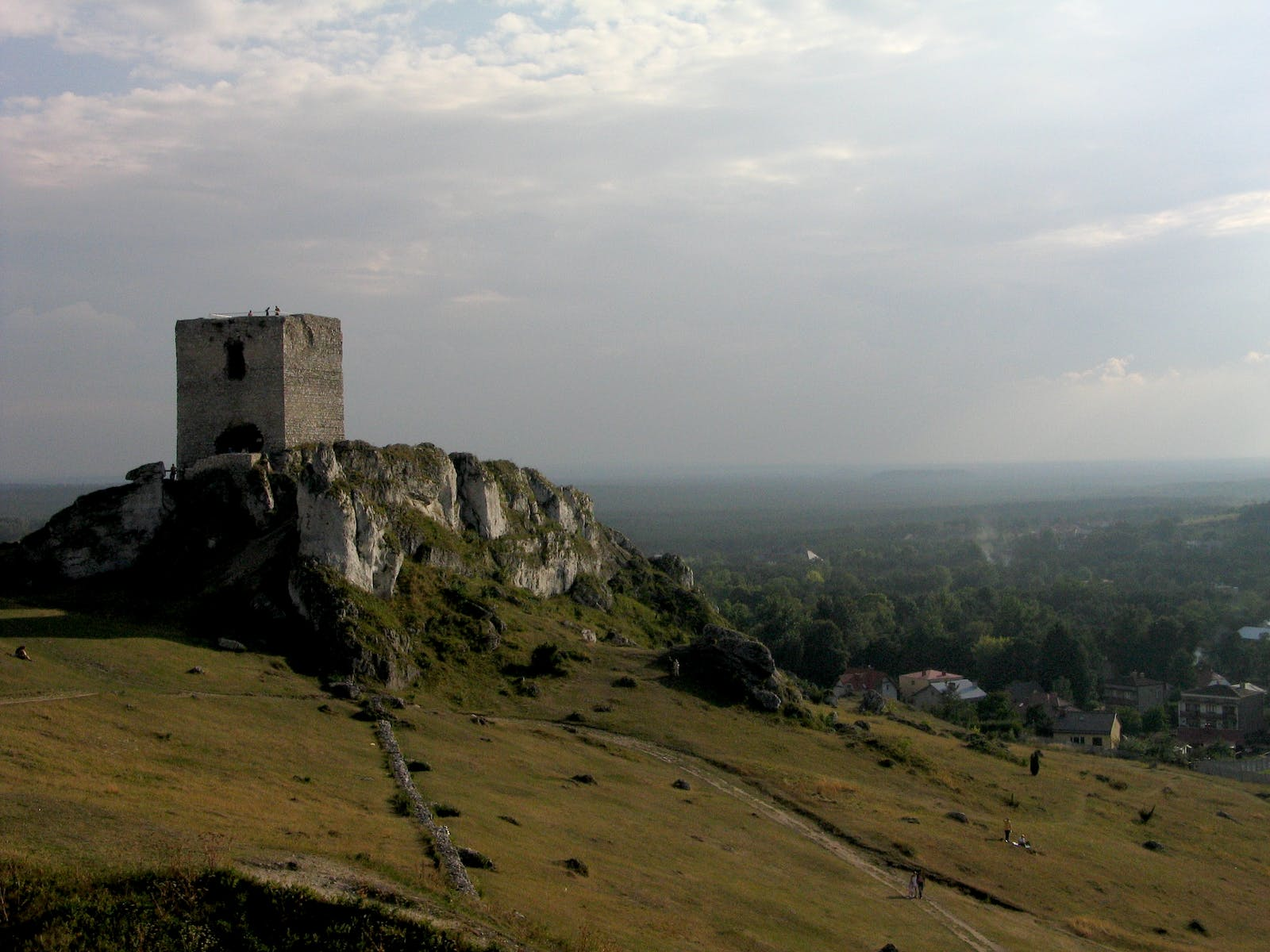
Completing our list of Poland's most enchanting cities is Olsztyn, the capital of Warmia and Masuria, renowned for its picturesque setting with 16 pristine lakes. For an ideal day of sightseeing, wander along the cobbled streets of the charming Old Town. Don't miss the opportunity to explore the iconic High Gate, visit the Castle of the Warmian Cathedral Chapter, unwind in Podzamcze Park (also known as Zamkowy Park), and savor artisanal ice cream in the Old Town Market Square. To cap off your day, consider a visit to one of Olsztyn's city beaches for swimming, beach volleyball, paddleboat rides, or simply basking in the beauty of nature from a comfortable deckchair.
Olsztyn is also home to Poland's second-largest planetarium, built to honor the legacy of Nicolaus Copernicus, who penned his groundbreaking work "On the Revolutions of the Heavenly Spheres" in this very city.
Olsztyn is also home to Poland's second-largest planetarium, built to honor the legacy of Nicolaus Copernicus, who penned his groundbreaking work "On the Revolutions of the Heavenly Spheres" in this very city.
FAQ
What are the most gay and LGBT friendly cities in Poland?
Amidst prevalent anti-LGBT rhetoric shaping both political and social discourse in Poland, one may ponder whether the country is truly gay-friendly. Poland stands in contrast to its European counterparts, with gay marriage and adoption remaining illegal, and a degree of LGBTQ+ tolerance in question. According to the IGLA-Europe, Poland ranked 39th out of 49 European countries in terms of LGBTQ human rights, garnering an overall percentage of 18%.
Despite being a member of the European Union since 2004, Poland lags behind many other European nations, lacking comprehensive legal safeguards for LGBTQ individuals, except for in employment. Although homosexuality has been legal in Poland since 1932, the country's LGBTQ rights history has been marred by setbacks, with the current political landscape exacerbating these challenges.
Poland is a predominantly religious nation, with 86 percent of the population identifying as Roman Catholic. This prevailing religious and relatively traditional perspective on social issues has hindered widespread openness and acceptance of the LGBTQ+ community, distinguishing it from more LGBTQ-friendly countries like Spain or the Netherlands.
Despite being a member of the European Union since 2004, Poland lags behind many other European nations, lacking comprehensive legal safeguards for LGBTQ individuals, except for in employment. Although homosexuality has been legal in Poland since 1932, the country's LGBTQ rights history has been marred by setbacks, with the current political landscape exacerbating these challenges.
Poland is a predominantly religious nation, with 86 percent of the population identifying as Roman Catholic. This prevailing religious and relatively traditional perspective on social issues has hindered widespread openness and acceptance of the LGBTQ+ community, distinguishing it from more LGBTQ-friendly countries like Spain or the Netherlands.
What are the most gay and LGBT friendly cities in Poland
While Poland, in general, is considered a safe country, there are cities with higher crime rates than others. To determine the ranking of the most dangerous cities, I've analyzed statistics based on the number of incidents per 1,000 residents. It's essential to remember that assessing a city's safety shouldn't rely solely on minor thefts but should also take into account more severe criminal and economic cases. With this in mind, here's a list of the top 10 most dangerous cities in Poland, as per the latest available data:
- Zakopane
- Chocianów
- Polkowice
- Przemkow
- Tarnobrzeg
- Boguszów-Gorce
- Jedlina-Zdrój
- Szczawno-Zdrój
- Głuszyca
- Mieroszow
Which cities in Poland are the most most industrialized?
Poland has emerged as a prominent destination on the global business services map, attracting investors who recognize it as a reliable and stable environment for conducting business. The country has become an integral part of a network of cross-border relationships between international corporations and Polish business service providers. Setting up an office in Poland is seen as a strategic advantage that enhances growth potential.
Let's explore some of the most renowned cities in Poland, each of which is considered a promising hub for business development and investment:
Tier One Cities: Kraków, Warsaw, and Wrocław
Kraków, the former Polish capital, is a thriving and multicultural city. It boasts excellent connectivity to neighboring major cities and is home to an international airport. Notably, Kraków hosts around 50 large multinational corporations, including industry giants like Google, IBM, and Royal Dutch Shell, in addition to various British, German, and Scandinavian-based firms.
Warsaw, as both the capital of Poland and the heart of Polish business, is a city of tremendous significance. With a population of 1.7 million residents, it stands as Poland's largest city and a prestigious business center in Eastern Europe. Warsaw also features a well-established middle class with the financial capacity to support innovative ventures. The city is widely recognized as one of the most livable cities in Central Europe. It offers excellent accessibility by air, with two international airports, as well as by train, with direct connections from Berlin and Vienna. A network of highways, including the A2 from Poznań and Berlin, A1 from Gdańsk, and S8 from Katowice and Wrocław, ensures efficient road transportation.
Wrocław, the historic German city, continues to maintain its reputation as a thriving business hub where tradition intersects with the modern era. The city is renowned for its contributions to science and culture and is statistically the sunniest major city in Poland. Wrocław's industrial landscape includes the production of buses, trams, railroad cars, home appliances, chemicals, and electronics. It hosts factories and development centers for numerous foreign and domestic companies, making it a prominent center in the pharmaceutical industry.
These tier one cities in Poland offer diverse opportunities for business growth and investment, each with its unique strengths and advantages.
Let's explore some of the most renowned cities in Poland, each of which is considered a promising hub for business development and investment:
Tier One Cities: Kraków, Warsaw, and Wrocław
Kraków, the former Polish capital, is a thriving and multicultural city. It boasts excellent connectivity to neighboring major cities and is home to an international airport. Notably, Kraków hosts around 50 large multinational corporations, including industry giants like Google, IBM, and Royal Dutch Shell, in addition to various British, German, and Scandinavian-based firms.
Warsaw, as both the capital of Poland and the heart of Polish business, is a city of tremendous significance. With a population of 1.7 million residents, it stands as Poland's largest city and a prestigious business center in Eastern Europe. Warsaw also features a well-established middle class with the financial capacity to support innovative ventures. The city is widely recognized as one of the most livable cities in Central Europe. It offers excellent accessibility by air, with two international airports, as well as by train, with direct connections from Berlin and Vienna. A network of highways, including the A2 from Poznań and Berlin, A1 from Gdańsk, and S8 from Katowice and Wrocław, ensures efficient road transportation.
Wrocław, the historic German city, continues to maintain its reputation as a thriving business hub where tradition intersects with the modern era. The city is renowned for its contributions to science and culture and is statistically the sunniest major city in Poland. Wrocław's industrial landscape includes the production of buses, trams, railroad cars, home appliances, chemicals, and electronics. It hosts factories and development centers for numerous foreign and domestic companies, making it a prominent center in the pharmaceutical industry.
These tier one cities in Poland offer diverse opportunities for business growth and investment, each with its unique strengths and advantages.