
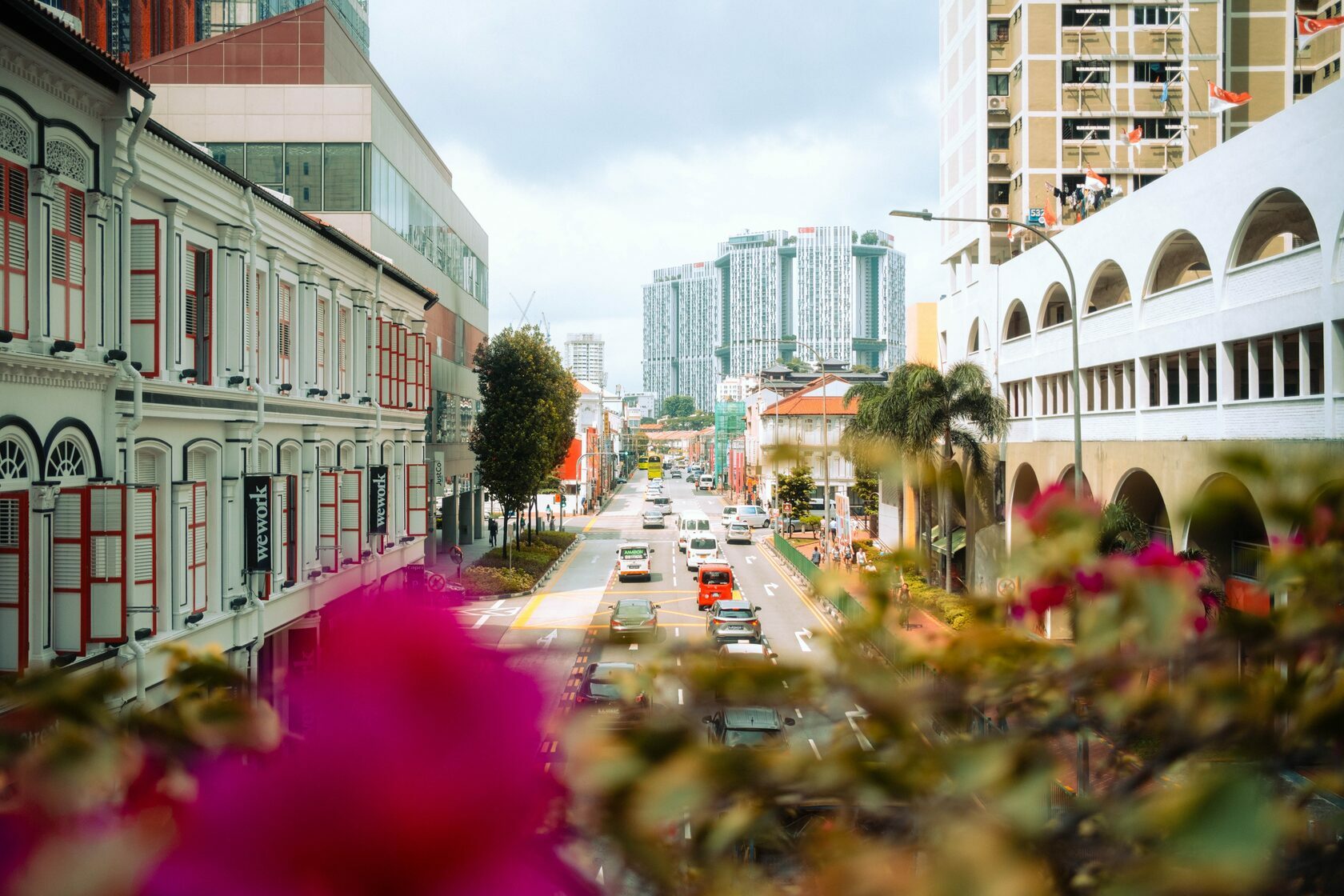
Singapore's culture is rich and diverse, reflecting the multitude of ethnic groups and religious traditions that make up the mosaic of this remarkable nation. This island nation, located in Southeast Asia, blends influences from China, India, Malaysia, and other regions, making its cultural heritage both rich and unique. In this text, we will explore key aspects of Singaporean culture, including its languages, cuisine, arts, music, architecture, and festivals, to gain a better understanding of the multifaceted nature of this fascinating country.
Singapore: culture and traditions
Despite its small size, Singapore's local customs and cultures are a fusion of multiple ethnic influences, including Chinese, Malay, Indian, and others, owing to the country's history as a trading hub. This diversity is also evident in the languages spoken, which include English, Mandarin, Tamil, and Malay. Here are some popular Singaporean customs and traditions:
- Handshakes: When meeting a Singaporean, whether formally or informally, it is customary to shake hands firmly, even when parting. A slight bow while shaking hands is seen as a sign of respect.
- Shoes Off: It is a common practice to remove your shoes before entering someone's house. The same rule applies when visiting a temple or mosque.
- Gesture Etiquette: Avoid pointing at someone or something with your finger; instead, raise your hand for indication.
- Gender Equality: Singapore has strict laws against gender discrimination, so it is essential to show respect and not disrespect anyone based on their gender.
- Tipping: Tipping is not customary in Singapore. Most restaurants include a 10% service charge in the bill, so tipping is generally discouraged. Avoid tipping at hawker centers and food courts. Tipping is also entirely prohibited at Changi Airport.
- Respectful Address: It is common to refer to middle-aged and elderly people as 'Uncle' or 'Auntie' as a sign of respect in Singapore.
- Chopstick Etiquette: While using chopsticks, avoid sticking them upright in the bowl, as this is reminiscent of funeral rites and considered bad luck.
- Respect for the Head and Feet: It is considered sacred to avoid touching anyone's head. Conversely, the feet are regarded as dirty, so avoid pointing them directly at someone.
- Dress Code: Casual clothing like shorts, t-shirts, and flip-flops are acceptable in most places in Singapore. However, it's a good idea to pack formal attire and dress shoes if you plan to dine at higher-end restaurants.
Singapore aquaculture
Aquaculture involves the cultivation of fish and shellfish, and it relies on various advanced techniques for breeding, larviculture, and specialized systems for water and disease management. In Singapore, there are two primary types of aquaculture farms:
- Sea-based Farms: Sea-based farms include coastal net cage farms and close-containment floating farms situated in the Johor Straits, as well as open deep-sea net cage farms in the southern waters of Singapore. Modern net cage farms employ technologies such as auto-feeders and Internet-of-Things (IoT) for efficient and sustainable aquaculture practices. Close-containment farms make use of Recirculating Aquaculture Systems (RAS) to maintain water quality and minimize environmental impact.
- Land-based Farms: Land-based farms employ various culture methods, including open pond culture, tank-based systems, and more recently, indoor multi-tier systems. These farms are typically located in areas like Lim Chu Kang and Murai. Tank-based and multi-tier farms leverage technologies such as IoT and water-monitoring systems, along with RAS, to maximize productivity within a smaller footprint. These innovations enhance the efficiency and sustainability of aquaculture practices on land.
Wine culture in Singapore
Wine culture in Singapore is experiencing a significant upswing, with a growing interest in wine appreciation, education, and events. Wine enthusiasts in the city-state have embraced a wide range of wine varieties and have access to numerous wine bars, restaurants, and wine clubs, allowing them to explore wines from around the world. Wine education programs, including tastings and courses, have become increasingly popular, and Singapore hosts various wine-related events and festivals. Moreover, wine tourism to nearby wine-producing regions has gained traction, while the need for wine storage and cellaring solutions has also grown, reflecting the country's evolving and vibrant wine culture.
Work culture in Singapore
Singapore's work culture is a fascinating amalgamation of Asian and Western influences, with nuances that vary based on the type of company and the workforce's composition. Multinational corporations often reflect Western-style work practices, while local firms, whether in the public or private sector, are imbued with Asian values such as respect for authority and a strong emphasis on adhering to established rules. The working hours adhere to international labor standards, and professional attire is the norm, although some flexibility is observed in smaller companies. The work culture places a significant emphasis on following rules, prioritizing group achievements over individual accomplishments, and maintaining a deep respect for hierarchical relationships, making it essential for newcomers to acquaint themselves with these customs to thrive in the Singaporean workplace.
Food culture in Singapore
Singaporean cuisine is a delightful fusion of flavors and ingredients, highlighting a combination of rice, noodles, seafood, and a variety of meats. Common dishes include staples like Hainanese Chicken Rice and Char Kway Teow, which feature the harmonious pairing of rice or noodles with chicken, pork, or beef. The love for meat, especially chicken, pork, and beef, is evident in many local favorites. Singapore is renowned for its exceptional seafood offerings, with dishes like Chili Crab and Black Pepper Crab standing out as iconic delicacies.
Desserts are an integral part of daily life in Singapore, offering a sweet conclusion to meals. Treats like Bubur Cha Cha, Chendol, and ice-cream sandwiches satisfy the local sweet tooth. As for beverages, Singaporeans enjoy a diverse range of options. Beer, Bandung (rose syrup with evaporated milk), and Kopi (local coffee) are popular choices. Tea-drinking is also a customary practice among the residents, adding to the rich tapestry of Singapore's culinary culture.
Desserts are an integral part of daily life in Singapore, offering a sweet conclusion to meals. Treats like Bubur Cha Cha, Chendol, and ice-cream sandwiches satisfy the local sweet tooth. As for beverages, Singaporeans enjoy a diverse range of options. Beer, Bandung (rose syrup with evaporated milk), and Kopi (local coffee) are popular choices. Tea-drinking is also a customary practice among the residents, adding to the rich tapestry of Singapore's culinary culture.
The curry culture in Singapore
The curry culture in Singapore is a tapestry of flavors and traditions deeply interwoven with the diverse ethnic communities that call the city-state home. With influences from the Indian, Malay, Chinese, Peranakan, and Eurasian communities, Singapore offers a curry experience like no other. Indian curries bring aromatic spices and a burst of flavors, while Malay renditions feature the richness of coconut milk and an array of spices. Chinese-style curries offer a milder alternative, and Peranakan and Eurasian curries add a unique twist to this beloved dish. The result is a melting pot of curry traditions that cater to a wide spectrum of tastes and preferences, making Singapore a curry lover's paradise.
The bread culture in Singapore
Singapore's bread culture has witnessed a remarkable transformation, embracing an array of flavors, influences, and innovations that mirror the nation's diverse culinary landscape. From traditional bakeries preserving nostalgic favorites to the rise of artisanal bread and the fusion of Western and Asian tastes, bread has become an integral part of Singaporean cuisine. With a thriving cafe culture, an appreciation for international bread varieties, and a growing emphasis on health-conscious options, bread in Singapore offers a dynamic and multifaceted dining experience that caters to a wide spectrum of tastes and preferences, adding to the country's rich culinary tapestry.
In Singapore, a wide array of bread varieties and pastries are readily available to cater to diverse tastes. Traditional favorites include Kaya Toast, a delectable combination of sweet coconut jam and butter served with coffee or tea. Pandan Bread, infused with the unique flavor of pandan leaves, offers a distinct green hue and tropical essence. Curry Buns, filled with savory or sweet curry fillings, are a popular choice. Roti Prata, a flaky and thin flatbread, can be enjoyed with a range of accompaniments. Pineapple Buns, named for their distinctive crumbly topping, add a touch of sweetness. Sourdough Bread has gained popularity as a fragrant, sourdough-based artisanal option. These are just a few examples of the rich and diverse bread culture in Singapore, reflecting the nation's culinary creativity and global influences.
In Singapore, a wide array of bread varieties and pastries are readily available to cater to diverse tastes. Traditional favorites include Kaya Toast, a delectable combination of sweet coconut jam and butter served with coffee or tea. Pandan Bread, infused with the unique flavor of pandan leaves, offers a distinct green hue and tropical essence. Curry Buns, filled with savory or sweet curry fillings, are a popular choice. Roti Prata, a flaky and thin flatbread, can be enjoyed with a range of accompaniments. Pineapple Buns, named for their distinctive crumbly topping, add a touch of sweetness. Sourdough Bread has gained popularity as a fragrant, sourdough-based artisanal option. These are just a few examples of the rich and diverse bread culture in Singapore, reflecting the nation's culinary creativity and global influences.
Coffee culture in Singapore
Singapore Traditional Coffee holds a distinctive place in Singapore's rich culinary heritage, although its historical significance and recognition as a unique Singaporean treasure have waned in recent times.
This local treasure begins with the roasting of coffee beans, a process that incorporates caramelized sugar and butter or margarine, infusing the beans with a delightful character. The brewing method is equally significant, employing a traditional "hand-pulling" technique that imparts a silky, smooth consistency to the brew.
Diverging from the Western coffee tradition, Singapore Traditional Coffee relies on Robusta beans, known for their higher caffeine content. The beans undergo a unique transformation as they are expertly roasted in a wok with a blend of butter and sugar. This caramelization process yields a distinct aroma and flavor profile. The resulting coffee powder is meticulously strained through a specialized cloth infuser known as a "sock" and is then harmonized with condensed milk or sugar, adding a touch of sweetness.
What sets Singapore Traditional Coffee apart is the customizability according to individual preferences. To navigate this world of options, one must be well-versed in the "Coffee Lingo" to order the desired cup of coffee. This homegrown delight distinguishes itself from international gourmet coffee with its aromatic, full-bodied, and exceptionally unique flavor.
With a commitment to preserving the heritage and culture of Singapore Traditional Coffee, we consider it our duty to share the knowledge and skills behind this beloved brew. As ambassadors of this treasured local gem, we aspire to elevate it to new heights, ensuring that the world discovers and appreciates this exceptional product that is uniquely Singaporean.
This local treasure begins with the roasting of coffee beans, a process that incorporates caramelized sugar and butter or margarine, infusing the beans with a delightful character. The brewing method is equally significant, employing a traditional "hand-pulling" technique that imparts a silky, smooth consistency to the brew.
Diverging from the Western coffee tradition, Singapore Traditional Coffee relies on Robusta beans, known for their higher caffeine content. The beans undergo a unique transformation as they are expertly roasted in a wok with a blend of butter and sugar. This caramelization process yields a distinct aroma and flavor profile. The resulting coffee powder is meticulously strained through a specialized cloth infuser known as a "sock" and is then harmonized with condensed milk or sugar, adding a touch of sweetness.
What sets Singapore Traditional Coffee apart is the customizability according to individual preferences. To navigate this world of options, one must be well-versed in the "Coffee Lingo" to order the desired cup of coffee. This homegrown delight distinguishes itself from international gourmet coffee with its aromatic, full-bodied, and exceptionally unique flavor.
With a commitment to preserving the heritage and culture of Singapore Traditional Coffee, we consider it our duty to share the knowledge and skills behind this beloved brew. As ambassadors of this treasured local gem, we aspire to elevate it to new heights, ensuring that the world discovers and appreciates this exceptional product that is uniquely Singaporean.
Singapore vs Indian culture
The cultural landscape in Singapore, particularly among the Indian community, bears a unique imprint that distinguishes it from the broader Indian culture. The majority of Indians in Singapore are of South Indian origin, predominantly hailing from Tamil Nadu, Kerala, and Andhra Pradesh/Telangana. This demographic composition is a crucial facet when discussing Indian culture in Singapore, as it primarily represents Tamil culture, creating a distinct identity within the Indian diaspora.
While there are evident cultural, religious, and behavioral similarities between Singaporean and Indian Tamils, several fundamental differences emerge. Singaporean Tamils tend to exhibit a more Westernized and economically advanced outlook, with a lesser emphasis on certain traditional practices, such as the caste system and class distinctions. The influence of Western media, globalization, and local culture in Singapore has shaped the evolution of Tamil culture in the country, leading to a more open and liberal society.
In contrast, Indians in India tend to maintain a stronger connection to their local traditions and customs, with a strong focus on politics, cricket, and regional cinema. The cultural milieu in India remains deeply rooted in its diverse regional identities, which sets it apart from the more cosmopolitan and materialistic outlook of Singaporean Tamils. This disparity in focus and priorities reflects the distinct paths of cultural evolution between Singapore and India, even within the Indian community.
While there are evident cultural, religious, and behavioral similarities between Singaporean and Indian Tamils, several fundamental differences emerge. Singaporean Tamils tend to exhibit a more Westernized and economically advanced outlook, with a lesser emphasis on certain traditional practices, such as the caste system and class distinctions. The influence of Western media, globalization, and local culture in Singapore has shaped the evolution of Tamil culture in the country, leading to a more open and liberal society.
In contrast, Indians in India tend to maintain a stronger connection to their local traditions and customs, with a strong focus on politics, cricket, and regional cinema. The cultural milieu in India remains deeply rooted in its diverse regional identities, which sets it apart from the more cosmopolitan and materialistic outlook of Singaporean Tamils. This disparity in focus and priorities reflects the distinct paths of cultural evolution between Singapore and India, even within the Indian community.