
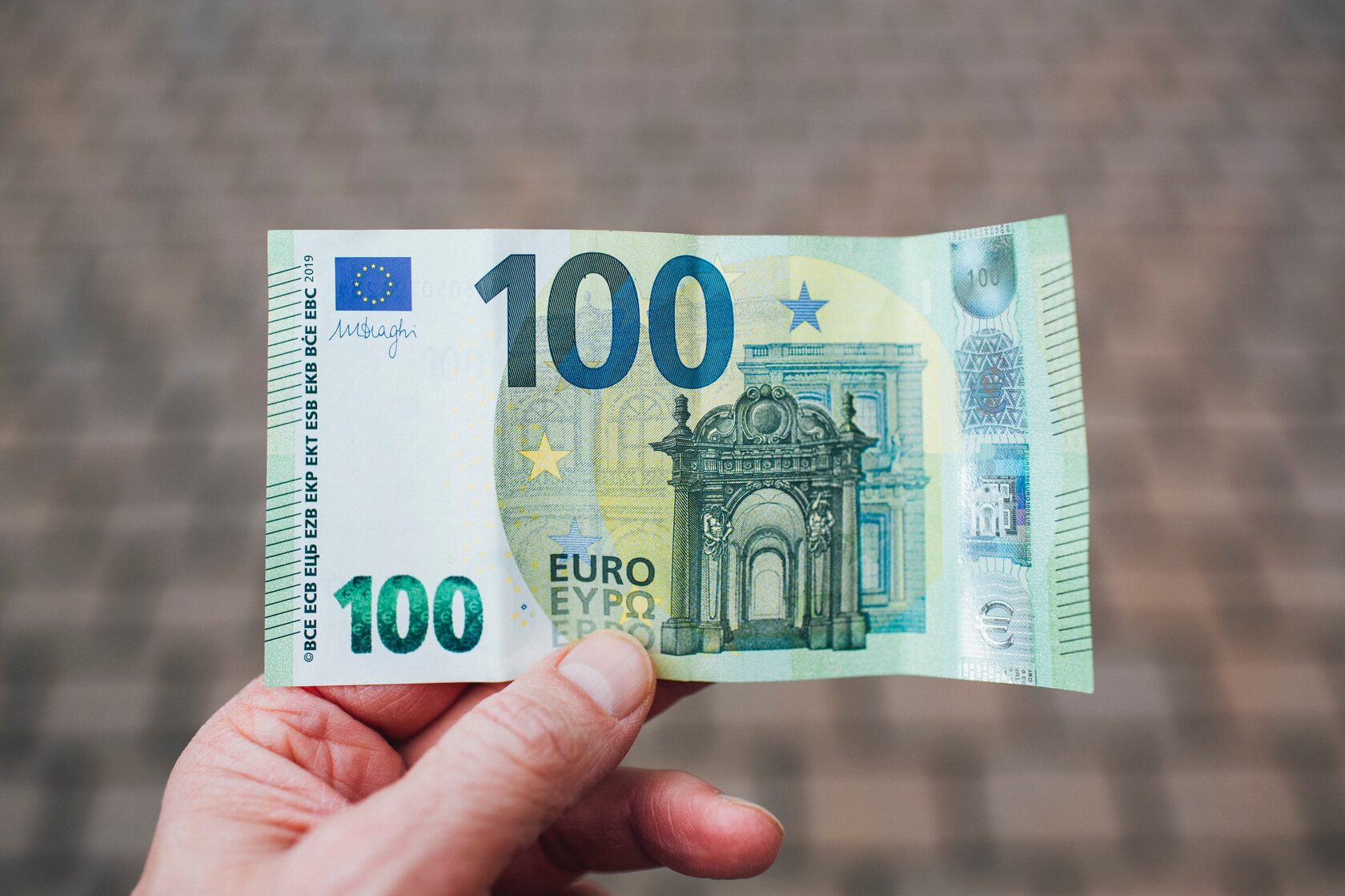
Does Slovenia use the euro?
Slovenia operates with the euro as its official currency, and this currency is subdivided into 100 cents.
Currency of Slovenia: name, code, symbol
The currency of Slovenia is the Euro (EUR). The currency code is EUR, and its symbol is €.
Slovenia's currency before euro
From October 8, 1991, to December 31, 2006, the official currency unit of the Republic of Slovenia was the tolar, subdivided into 100 stotini. The ISO currency code SIT was used for tolar transactions.
The Bank of Slovenia introduced provisional payment notes on October 8, 1991, serving as a temporary currency. The initial tolar banknotes were released in September 1992, followed by coins in January 1993. Commemorative editions were also issued by the Bank of Slovenia to mark various significant events.
The tolar banknotes, designed by Miljenko Licul and Zvone Kosovelj with portraits by artist Rudi Španzel, included denominations such as SIT 1000, SIT 500, SIT 100, SIT 10, SIT 20, SIT 200, SIT 50, SIT 5000, SIT 10000, SIT 5000, SIT 200, SIT 10000, SIT 5000, SIT 1000, SIT 5000, SIT 1000, SIT 500, SIT 5000, SIT 100, SIT 1000, SIT 10000, SIT 5000, SIT 1000, SIT 200, SIT 10000, SIT 5000, SIT 1000, and SIT 200.
The Bank of Slovenia introduced provisional payment notes on October 8, 1991, serving as a temporary currency. The initial tolar banknotes were released in September 1992, followed by coins in January 1993. Commemorative editions were also issued by the Bank of Slovenia to mark various significant events.
The tolar banknotes, designed by Miljenko Licul and Zvone Kosovelj with portraits by artist Rudi Španzel, included denominations such as SIT 1000, SIT 500, SIT 100, SIT 10, SIT 20, SIT 200, SIT 50, SIT 5000, SIT 10000, SIT 5000, SIT 200, SIT 10000, SIT 5000, SIT 1000, SIT 5000, SIT 1000, SIT 500, SIT 5000, SIT 100, SIT 1000, SIT 10000, SIT 5000, SIT 1000, SIT 200, SIT 10000, SIT 5000, SIT 1000, and SIT 200.
What is the best currency to use in Slovenia?
The best choice is to utilize the euro, which can be employed for settling all financial responsibilities within the country. This includes payments for goods, services, taxes, and debts.