
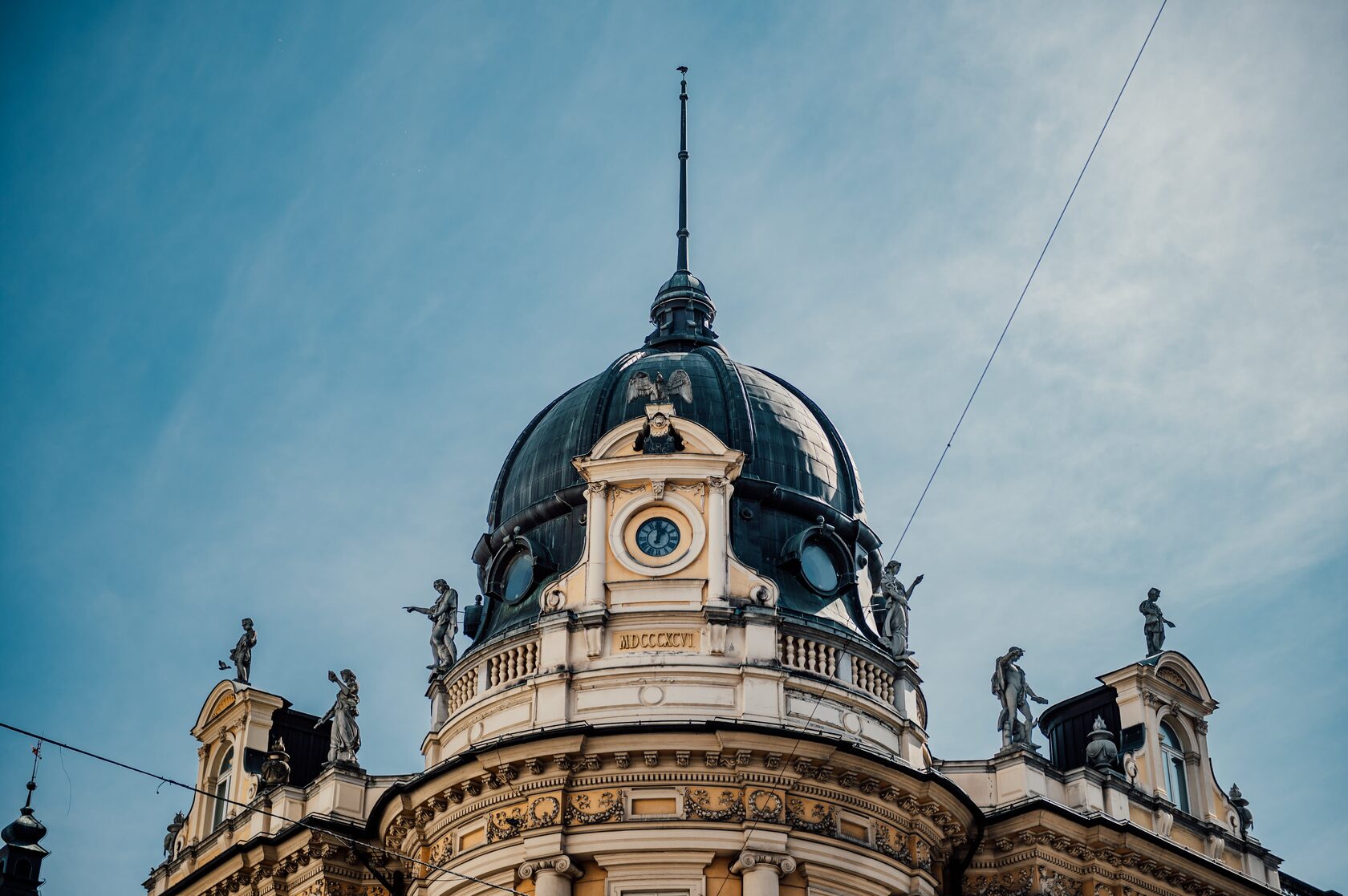
Slovenian culture is a rich tapestry woven from the threads of tradition, diversity, and resilience.
Is Slovenian culture in Eastern European?
Slovenian culture is often considered a part of Eastern European culture due to its geographical location in Central Europe. While Slovenia has historical ties to both Eastern and Western European influences, its proximity to countries with strong Eastern European characteristics, such as Croatia and Hungary, contributes to its classification as part of Eastern Europe.
Culture in Slovenia: history
The roots of Slovenian culture can be traced back to the early Slavic tribes that inhabited the region in the 6th century. Throughout the medieval period, Slovenia was part of various political entities, including the Holy Roman Empire and the Habsburg Monarchy.
In the 19th century, during the Romantic nationalist movements, Slovenian intellectuals and cultural figures played a crucial role in fostering a sense of national identity. The Slovenian language, which is part of the South Slavic language group, was promoted as a symbol of national pride. The formation of the Yugoslav state after World War I saw Slovenia becoming one of its constituent republics.
The post-independence era has seen Slovenia actively preserving and promoting its cultural heritage. The capital, Ljubljana, boasts a charming old town with well-preserved medieval architecture, reflecting the city's historical significance.
In the 19th century, during the Romantic nationalist movements, Slovenian intellectuals and cultural figures played a crucial role in fostering a sense of national identity. The Slovenian language, which is part of the South Slavic language group, was promoted as a symbol of national pride. The formation of the Yugoslav state after World War I saw Slovenia becoming one of its constituent republics.
The post-independence era has seen Slovenia actively preserving and promoting its cultural heritage. The capital, Ljubljana, boasts a charming old town with well-preserved medieval architecture, reflecting the city's historical significance.
Interesting facts about the culture and peculiarity of Slovenia
Slovenia stands uniquely among European nations by commemorating a national cultural holiday on February 8th, dedicated to the revered poet France Prešeren (1800-1849). This celebration pays homage to the enduring impact of Prešeren's legacy on Slovenian culture. Remarkably, the 7th stanza from his poem "Zdravljica" (A Toast) not only resonates as a poetic masterpiece but also serves as the national anthem, advocating for a world where nations coexist peacefully and equally. It articulates a vision of global unity and harmony, a sentiment deeply ingrained in the cultural fabric of Slovenia.
Slovenian culture and customs
Slovenian culture is deeply intertwined with its religious landscape, where over half of the population identifies as Roman Catholic, coexisting with various officially registered religious groups. Despite this, many Catholics selectively adhere to church precepts, blending their beliefs with secular ideologies. Notably, public holidays often hold religious significance, underscoring the enduring influence of faith.
The family plays a central role in Slovenian society, with a strong sense of "home" prevailing. While urbanization has led to families dispersing, the familial bond remains robust. Home-centric activities, such as gardening and renovations, reflect Slovenians' perception of their homes as extensions of themselves. Civic responsibility is evident in the meticulous care of public spaces.
Slovenia exhibits a polycentric culture, characterized by adaptability in communication styles. Slovenians may modify their natural behavior to align with others, making them generally cooperative but occasionally challenging to predict.
Social etiquette in Slovenia emphasizes formal greetings, with handshakes and eye contact being customary. Familiarity is reserved for close relationships, and honorific titles are used in addressing others. Gift-giving is a thoughtful practice, with the sentiment outweighing the cost. Flowers for the hostess and wine for the host are customary when invited to someone's home.
The family plays a central role in Slovenian society, with a strong sense of "home" prevailing. While urbanization has led to families dispersing, the familial bond remains robust. Home-centric activities, such as gardening and renovations, reflect Slovenians' perception of their homes as extensions of themselves. Civic responsibility is evident in the meticulous care of public spaces.
Slovenia exhibits a polycentric culture, characterized by adaptability in communication styles. Slovenians may modify their natural behavior to align with others, making them generally cooperative but occasionally challenging to predict.
Social etiquette in Slovenia emphasizes formal greetings, with handshakes and eye contact being customary. Familiarity is reserved for close relationships, and honorific titles are used in addressing others. Gift-giving is a thoughtful practice, with the sentiment outweighing the cost. Flowers for the hostess and wine for the host are customary when invited to someone's home.
Slovenian culture tattoo
When considering a Slovenian culture tattoo, you might want to incorporate symbols or motifs that represent the country's identity. Here are some ideas:
- Triglav: The Triglav mountain is Slovenia's highest peak and a national symbol. It could be depicted in a stylized or artistic form, perhaps with other elements like alpine flowers or a sun.
- Ljubljana Castle: Ljubljana, the capital of Slovenia, is known for its medieval castle. Consider integrating the silhouette or key elements of the castle into your tattoo.
- Beehive Panels: Slovenian beehive panels are traditional decorative paintings found on beehives. These colorful and intricate designs often depict scenes from daily life, folklore, or nature.
Slovenian eating culture
Slovenian eating culture is characterized by a diverse and cosmopolitan culinary scene, yet certain quintessential dishes remain staples in the hearts of locals. For a typical Sunday lunch, Slovenians indulge in a multi-course affair. The culinary journey begins with a soul-warming soup, ranging from the comforting beef soup with noodles to various vegetable and mushroom soups. The main course typically features meat, often in the form of a roast or fried chicken, accompanied by the classic Slovenian side dish of roast potatoes. A mandatory salad, dressed with Slovenian pumpkin seed oil or olive oil, complements the hearty meal, concluding with a delectable dessert.
When seeking a heartier snack or brunch option, Slovenians gravitate towards dishes meant to be savored with a spoon. Countryside trails and mountain stopovers offer opportunities to relish Slovenian hotpot specialties like goulash, stews, minestrone, jota, ričet, and the renowned Kranjska sausage—sometimes enjoyed with žganci and sour milk in mountain pastures, reflecting the rich pastoral traditions of Slovenian cuisine. This cultural blend of traditional and contemporary flavors encapsulates the essence of Slovenian dining, where the joy of shared meals is cherished across generations.
When seeking a heartier snack or brunch option, Slovenians gravitate towards dishes meant to be savored with a spoon. Countryside trails and mountain stopovers offer opportunities to relish Slovenian hotpot specialties like goulash, stews, minestrone, jota, ričet, and the renowned Kranjska sausage—sometimes enjoyed with žganci and sour milk in mountain pastures, reflecting the rich pastoral traditions of Slovenian cuisine. This cultural blend of traditional and contemporary flavors encapsulates the essence of Slovenian dining, where the joy of shared meals is cherished across generations.