
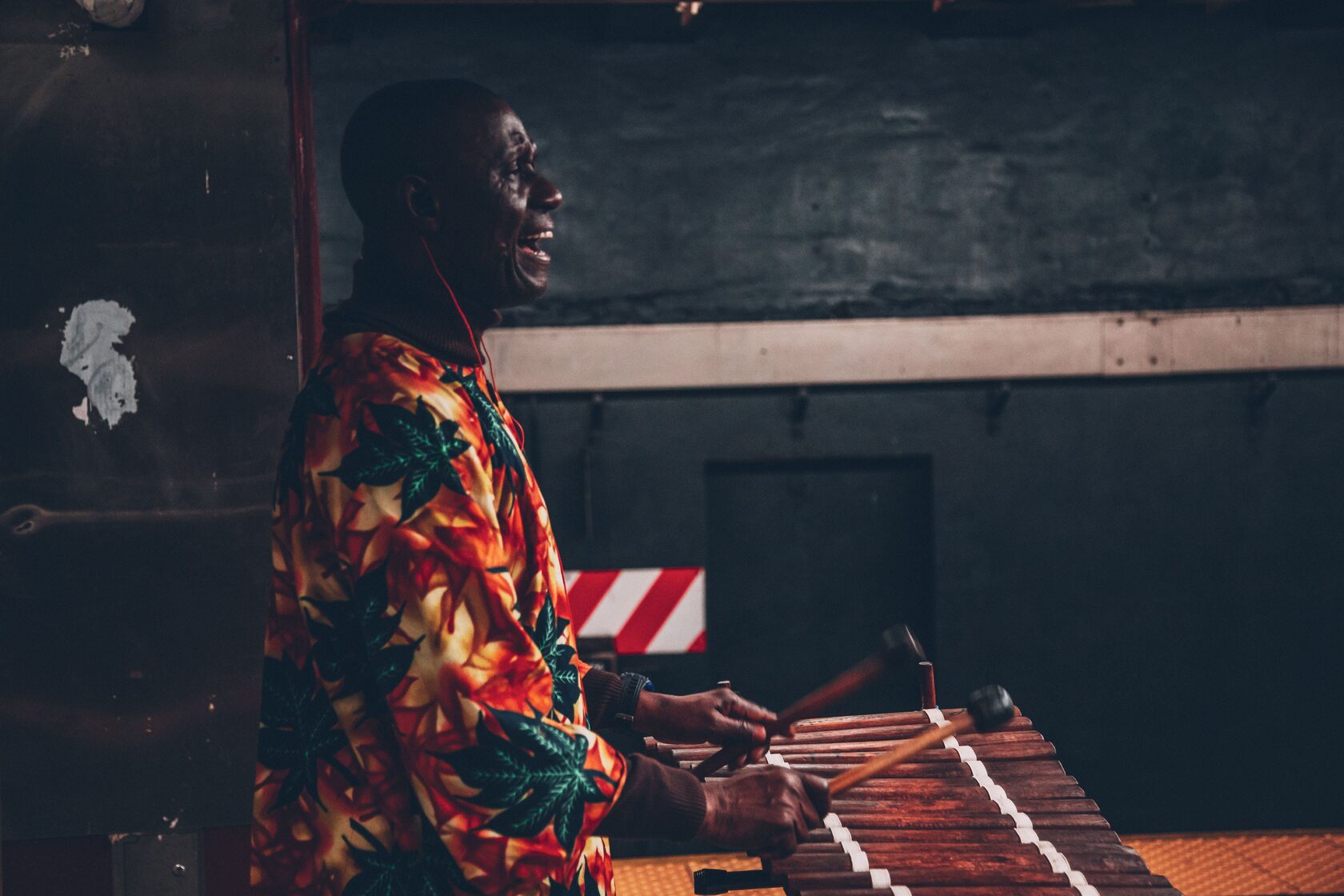
South African culture is a vibrant tapestry woven with the rich threads of diversity, reflecting the nation's complex history and the convergence of various ethnicities, languages, and traditions.
Is South Africa a collectivist or individualist culture?
Recent cross-cultural studies reveal that South Africa exhibits a higher level of individualism rather than collectivism, as evidenced by a Hofstede score of 65.
South African culture and traditions: history and facts
South Africa is renowned for its remarkable ethnic and cultural diversity. English is widely spoken across the nation, serving as a lingua franca in various spheres such as commerce, education, and government, alongside individuals' proficiency in their native languages. With eleven official languages, including those of smaller groups like Khoisan languages, the linguistic landscape is rich and varied.
The middle class, predominantly composed of white and Indian individuals but increasingly diverse, shares lifestyles reminiscent of those found in Western Europe, North America, Australia, and New Zealand. However, the historical legacy of apartheid, which officially classified South Africans into four race groups, continues to influence the cultural fabric. Although apartheid laws were dismantled in the early 1990s, the deeply ingrained racial categories persist, impacting how South Africans self-identify and categorize others into groups such as blacks, whites, Coloureds, and Indians. This enduring influence makes it challenging to define a singular South African culture without acknowledging these historical racial distinctions.
The middle class, predominantly composed of white and Indian individuals but increasingly diverse, shares lifestyles reminiscent of those found in Western Europe, North America, Australia, and New Zealand. However, the historical legacy of apartheid, which officially classified South Africans into four race groups, continues to influence the cultural fabric. Although apartheid laws were dismantled in the early 1990s, the deeply ingrained racial categories persist, impacting how South Africans self-identify and categorize others into groups such as blacks, whites, Coloureds, and Indians. This enduring influence makes it challenging to define a singular South African culture without acknowledging these historical racial distinctions.
How many cultures in South Africa?
South Africa encompasses a rich tapestry of cultures, including Zulu, Xhosa, Pedi, Tswana, Ndebele, Khoisan, Hindu, Muslim, Afrikaner, and many more. Within the nation's borders, these diverse communities, each with its unique traditions and customs, collectively contribute to shaping South Africa's heritage, identity, and culture. Despite their distinct backgrounds, these individuals share a common bond in calling South Africa home, showcasing the country's cultural mosaic and the unity found in its diversity.
Xhosa South African culture
Xhosa culture is renowned for its intricate attire, which serves as a visual representation of an individual's social standing, role in society, and marital status. The community also boasts a robust oral tradition filled with tales of ancestral heroes. Ancestral veneration is prevalent, and young men partake in initiation rites. Among the Xhosa, stick fighting is a popular sport, particularly among the young men responsible for cattle care, while women predominantly oversee crop cultivation and household affairs.
Zulu South African culture
The Zulu community is renowned for its warriors, who wield shields and were historically led by Shaka. Additionally, they are celebrated for their intricate beadworks, traditional grass huts, and skillful basketry. The Zulu belief system revolves around ancestral spirits, often appearing in dreams, and acknowledges a supreme being who is seldom directly involved in mortal affairs. The use of magic is prevalent among the Zulus, and any misfortune or illness is often attributed to malevolent spirits.
South African culture clothing
The clothing traditions of South African cultures reflect the nation's rich diversity and deep-rooted cultural heritage. Each ethnic group in South Africa has distinctive attire that serves as a visual expression of identity, social status, and traditions.
In Xhosa culture, for example, clothing is a complex language that communicates an individual's place in society. The elaborate beadwork and printed fabrics worn by Xhosa women convey not only their social standing but also the different stages of life. This intricate dress code reflects the importance of heritage and storytelling within the Xhosa community.
Among the Zulus, traditional clothing is a vibrant tapestry of colors and textures. The iconic izicolo hats worn by married women, traditionally made of grass and cotton, stand out as symbols of cultural pride. Zulu men, on the other hand, often wear animal skins and feathers, with specific garments reserved for different roles and life stages. This clothing encapsulates the Zulu people's strong connection to their ancestral roots and the natural world.
Ndebele, Venda, Tsonga, Indian, and Cape Malay cultures each contribute their unique sartorial signatures to the diverse mosaic of South African attire. Whether it's the intricate beadwork of the Ndebele, the vibrant skirts of the Tsonga, or the fusion of Western and traditional clothing among Indian and Cape Malay communities, South African culture clothing is a testament to the country's vibrant history and the ongoing celebration of its diverse heritage.
In Xhosa culture, for example, clothing is a complex language that communicates an individual's place in society. The elaborate beadwork and printed fabrics worn by Xhosa women convey not only their social standing but also the different stages of life. This intricate dress code reflects the importance of heritage and storytelling within the Xhosa community.
Among the Zulus, traditional clothing is a vibrant tapestry of colors and textures. The iconic izicolo hats worn by married women, traditionally made of grass and cotton, stand out as symbols of cultural pride. Zulu men, on the other hand, often wear animal skins and feathers, with specific garments reserved for different roles and life stages. This clothing encapsulates the Zulu people's strong connection to their ancestral roots and the natural world.
Ndebele, Venda, Tsonga, Indian, and Cape Malay cultures each contribute their unique sartorial signatures to the diverse mosaic of South African attire. Whether it's the intricate beadwork of the Ndebele, the vibrant skirts of the Tsonga, or the fusion of Western and traditional clothing among Indian and Cape Malay communities, South African culture clothing is a testament to the country's vibrant history and the ongoing celebration of its diverse heritage.
South African culture shock
Experiencing cultural differences in South Africa can be both fascinating and occasionally surprising, particularly in the realm of non-verbal communication and social norms.
In terms of hand gestures, South Africans may employ a variety of movements and signals to convey messages, emphasizing certain points or expressing agreement or disagreement. Facial expressions also play a crucial role, with individuals displaying different levels of expressiveness based on cultural context. Eye contact varies, ranging from intense and prolonged to more reserved, depending on cultural background and personal comfort.
Navigating social queues in South Africa may differ from one context to another. While waiting in lines is generally common in many situations, certain environments or events may have a more informal approach to queuing.
Greeting customs can vary significantly. South Africans may greet each other with handshakes, hugs, or single or double kisses on the cheeks, depending on the level of familiarity and cultural background. Understanding and adapting to these diverse greeting styles is part of navigating social interactions.
The art of negotiation, such as haggling, can be expected in certain markets and informal settings. It's often seen as a customary practice, showcasing a blend of commerce and social interaction. Additionally, tipping is generally appreciated in South Africa, particularly in restaurants and service industries. The amount may vary, but it is a common expression of gratitude for good service.
In terms of hand gestures, South Africans may employ a variety of movements and signals to convey messages, emphasizing certain points or expressing agreement or disagreement. Facial expressions also play a crucial role, with individuals displaying different levels of expressiveness based on cultural context. Eye contact varies, ranging from intense and prolonged to more reserved, depending on cultural background and personal comfort.
Navigating social queues in South Africa may differ from one context to another. While waiting in lines is generally common in many situations, certain environments or events may have a more informal approach to queuing.
Greeting customs can vary significantly. South Africans may greet each other with handshakes, hugs, or single or double kisses on the cheeks, depending on the level of familiarity and cultural background. Understanding and adapting to these diverse greeting styles is part of navigating social interactions.
The art of negotiation, such as haggling, can be expected in certain markets and informal settings. It's often seen as a customary practice, showcasing a blend of commerce and social interaction. Additionally, tipping is generally appreciated in South Africa, particularly in restaurants and service industries. The amount may vary, but it is a common expression of gratitude for good service.