
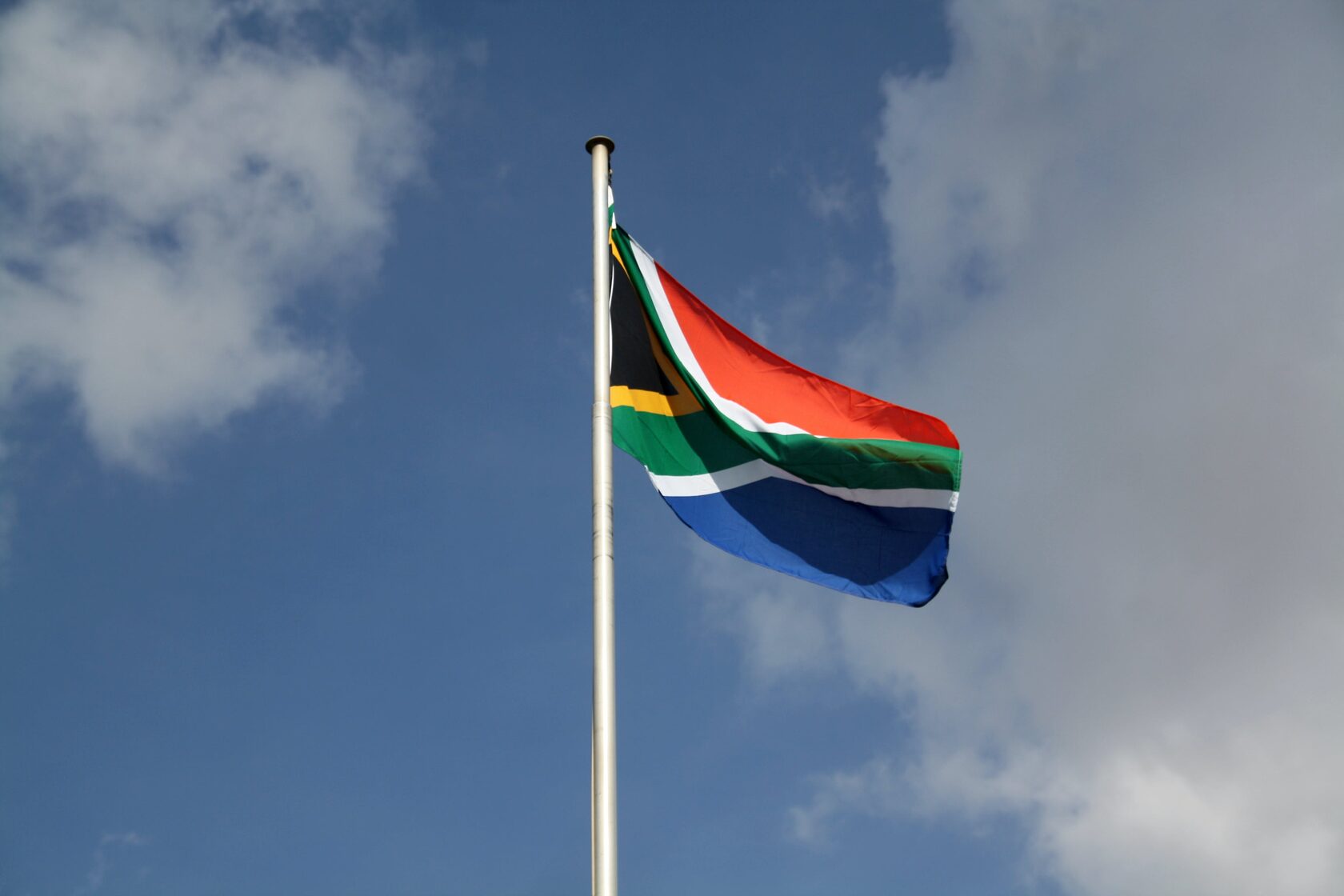
Today, we will delve into the rich linguistic tapestry of South Africa, exploring the diverse languages that shape the cultural landscape of this vibrant nation.
South African languages: history
The indigenous languages spoken in the region can be broadly classified into three major groups: Bantu languages, Khoisan languages, and others.
The Bantu languages, belonging to the larger Niger-Congo language family, have a significant presence in South Africa. The migration of Bantu-speaking peoples into the region played a crucial role in shaping the linguistic landscape. As these communities settled and interacted with existing populations, a variety of Bantu languages emerged, such as Zulu, Xhosa, and Sotho, each with its distinct characteristics.
The Khoisan languages, characterized by their use of click sounds, were traditionally spoken by the indigenous Khoi and San peoples. These languages are unique to the southern African region and have faced challenges in maintaining their vitality due to historical factors such as colonization and displacement.
During the colonial period, European powers, particularly the Dutch and British, played a significant role in shaping the linguistic landscape. The Dutch colonization brought Afrikaans, a language with roots in Dutch, into prominence. Over time, Afrikaans evolved and became one of South Africa's official languages.
The apartheid era further influenced language dynamics, with policies promoting segregation and discrimination based on language. The government's imposition of Afrikaans as a language of instruction in schools led to significant protests, such as the 1976 Soweto uprising, where students protested against the use of Afrikaans in education.
In post-apartheid South Africa, there has been a concerted effort to recognize and promote linguistic diversity.
The Bantu languages, belonging to the larger Niger-Congo language family, have a significant presence in South Africa. The migration of Bantu-speaking peoples into the region played a crucial role in shaping the linguistic landscape. As these communities settled and interacted with existing populations, a variety of Bantu languages emerged, such as Zulu, Xhosa, and Sotho, each with its distinct characteristics.
The Khoisan languages, characterized by their use of click sounds, were traditionally spoken by the indigenous Khoi and San peoples. These languages are unique to the southern African region and have faced challenges in maintaining their vitality due to historical factors such as colonization and displacement.
During the colonial period, European powers, particularly the Dutch and British, played a significant role in shaping the linguistic landscape. The Dutch colonization brought Afrikaans, a language with roots in Dutch, into prominence. Over time, Afrikaans evolved and became one of South Africa's official languages.
The apartheid era further influenced language dynamics, with policies promoting segregation and discrimination based on language. The government's imposition of Afrikaans as a language of instruction in schools led to significant protests, such as the 1976 Soweto uprising, where students protested against the use of Afrikaans in education.
In post-apartheid South Africa, there has been a concerted effort to recognize and promote linguistic diversity.
What language is spoken in South Africa?
The Black African population in South Africa exhibits linguistic diversity, primarily categorized into four groups. The largest, the Nguni, encompasses speakers of Swati, Ndebele, Xhosa, and Zulu, constituting over half of the Black population. The second largest group, Sotho-Tswana, includes speakers of Sotho, Pedi, and Tswana, prevalent in many Highveld areas. Tsonga (Shangaan) and Venda speakers represent the other two significant linguistic groups, concentrated in specific provinces.
White South Africans are divided into Afrikaans and English speakers. Afrikaans, descended from Dutch, French, and German settlers, is spoken by more than half, while the rest, mainly of British descent, speak English. The Coloured population, predominantly Afrikaans or English speakers, adds further linguistic diversity to South Africa's multicultural tapestry.
White South Africans are divided into Afrikaans and English speakers. Afrikaans, descended from Dutch, French, and German settlers, is spoken by more than half, while the rest, mainly of British descent, speak English. The Coloured population, predominantly Afrikaans or English speakers, adds further linguistic diversity to South Africa's multicultural tapestry.
11 official languages of South Africa? Why?
South Africa, with its rich and multilingual population, boasts 11 official languages, a testament to the constitutional acknowledgment of the country's cultural and linguistic diversity. Recognizing the importance of reflecting its people's varied identities, South Africa officially designates Afrikaans, English, isiNdebele, isiXhosa, isiZulu, Sesotho, Setswana, siSwati, Tshivenda, Xitsonga, and Sepedi as its official languages.
South African sign language
South African Sign Language (SASL) serves as the primary means of communication for the deaf community in South Africa, officially recognized by the government with the establishment of a National Language Unit in 2001. While SASL is actively promoted among the deaf population, historical differences among deaf communities in the country have led to varied sign language systems used in different schools for the deaf.
The transformation of the South African National Council for the Deaf into the Deaf Federation of South Africa in 1995 marked a significant shift in policies favoring sign language over oralism. However, the implementation of a unified sign language system in schools for the deaf remains a challenge, with as many as twelve different signed oral language systems in use.
Aside from SASL, some Deaf individuals in South Africa also use American Sign Language (ASL), influencing many local sign languages. SASL is incorporated into television newscasts and parliamentary proceedings, although variations among sign language interpreters exist. Approximately 40 schools for the deaf in South Africa predominantly utilize SASL, with its explicit mention in the constitution and endorsement in the South African Schools Act. As of 2011, efforts to formalize SASL interpreter training and accreditation have been underway, reflecting a commitment to inclusivity and accessibility for the deaf community in South Africa.
The transformation of the South African National Council for the Deaf into the Deaf Federation of South Africa in 1995 marked a significant shift in policies favoring sign language over oralism. However, the implementation of a unified sign language system in schools for the deaf remains a challenge, with as many as twelve different signed oral language systems in use.
Aside from SASL, some Deaf individuals in South Africa also use American Sign Language (ASL), influencing many local sign languages. SASL is incorporated into television newscasts and parliamentary proceedings, although variations among sign language interpreters exist. Approximately 40 schools for the deaf in South Africa predominantly utilize SASL, with its explicit mention in the constitution and endorsement in the South African Schools Act. As of 2011, efforts to formalize SASL interpreter training and accreditation have been underway, reflecting a commitment to inclusivity and accessibility for the deaf community in South Africa.
Is mandarin an official language in South Africa?
The Department of Basic Education in South Africa has granted approval for the inclusion of Mandarin in the country's school curriculum. Students in grades 4 to 12 now have the option to choose Mandarin as a second language. Although Mandarin is not one of South Africa's official languages, it has been added to the curriculum as a non-official language. The collaboration with the Chinese government has facilitated the development of a curriculum tailored for teaching Mandarin in South African schools, and this initiative is scheduled to be implemented in January 2016. Additionally, there are currently six Confucius institutions in South Africa, further promoting the learning and understanding of the Chinese language and culture.