
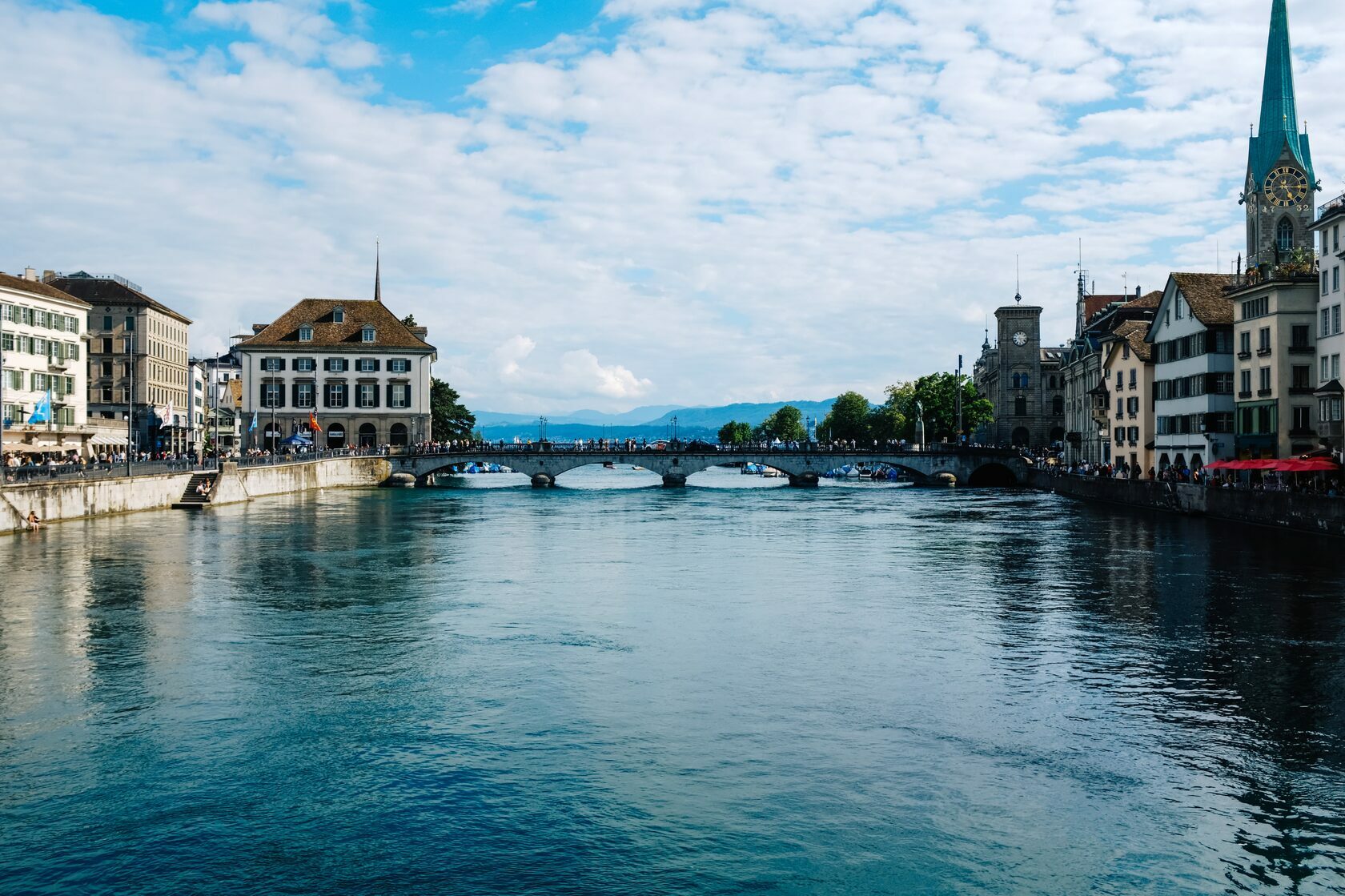
The concept of obtaining a permanent residence permit in Switzerland represents a significant milestone for individuals seeking to establish long-term roots in this picturesque Alpine nation. This coveted status goes beyond the typical work and residence permits, offering a more enduring connection to the country and the prospect of building a life there. In this context, let's explore what a permanent residence permit in Switzerland entails and the eligibility criteria that applicants must meet to attain this special status.
How to get a permanent residence permit in Switzerland?
In Switzerland, regardless of the purpose of your stay, anyone who works or remains in the country for more than three months must obtain the appropriate permit. These residence permits are issued by the Cantonal Migration Offices, and they are categorized into three main types: short-term residence permits (valid for less than one year), annual residence permits (limited duration), and permanent residence permits (unlimited duration). The specific authorization you need for a stay exceeding three months in Switzerland is contingent upon your nationality, as different rules and criteria may apply to applicants from various countries.
Switzerland permanent residency requirements
Requirements for non-EU/EFTA nationals seeking residence under the cantonal lump sum taxation program for retirees include having an annual income of at least CHF 600,000, depending on the chosen canton. Applicants should not engage in employment in Switzerland under this program, and it's essential that they are first-time residents in Switzerland, having not resided in the country for the past 10 years. Owning or renting a residence in Switzerland is a mandatory requirement, and applicants must be at least 55 years of age while demonstrating sufficient financial means. Additionally, applicants must provide various identification documents, maintain a clean criminal record, and exhibit good moral character. The annual tax is calculated based on the applicant's expenditure, typically set at five times the annual rent.
For non-EU/EFTA nationals interested in residence through Swiss company formation or investment, the minimum investment required is CHF 1,000,000 with a specified turnover for the company. Similar to the retirees' program, applicants should not undertake employment in Switzerland and must be first-time residents who have not lived in Switzerland for the past decade. Additionally, applicants should be above 18 years of age and provide various identification documents, maintain a clean criminal record, and demonstrate good moral character.
For citizens of the EU/EFTA without a work permit, the key requirement is to have sufficient funds, refrain from engaging in any occupation in Switzerland, and provide proof of health insurance coverage.
For non-EU/EFTA nationals interested in residence through Swiss company formation or investment, the minimum investment required is CHF 1,000,000 with a specified turnover for the company. Similar to the retirees' program, applicants should not undertake employment in Switzerland and must be first-time residents who have not lived in Switzerland for the past decade. Additionally, applicants should be above 18 years of age and provide various identification documents, maintain a clean criminal record, and demonstrate good moral character.
For citizens of the EU/EFTA without a work permit, the key requirement is to have sufficient funds, refrain from engaging in any occupation in Switzerland, and provide proof of health insurance coverage.
Permanent residence in Switzerland: how many years with a work permit?
The process for obtaining permanent residence in Switzerland with a work permit can vary based on several factors, including your nationality, your specific work permit type, and your individual circumstances. Generally, it can take several years to transition from a work permit to permanent residence in Switzerland.
Typically, the path to permanent residence involves several stages, including:
Typically, the path to permanent residence involves several stages, including:
- Short-Term Residence: You may start with a short-term work permit, which allows you to work in Switzerland for a limited period. The duration of these permits can vary depending on the type of work and your employment contract.
- Long-Term Residence: After working in Switzerland for several years under different types of work permits, you may be eligible to apply for a long-term residence permit. The specific requirements and waiting period may differ by canton and permit type.
- Permanent Residence: Once you have held a long-term residence permit and met the residency and integration requirements, you can apply for permanent residence (C Permit). This often requires several years of continuous residence in Switzerland, which can vary from 5 to 10 years, depending on your nationality and other factors.
Does having a residence permit in Switzerland mean permanent residence?
No, having a residence permit in Switzerland does not necessarily mean you have permanent residence. In Switzerland, residence permits come in various categories and have different durations of validity. These permits can be temporary or long-term, depending on the type of permit and the individual's circumstances.
Permanent residence, often referred to as a Swiss Permit C, is a distinct status that allows the holder to reside in Switzerland indefinitely. It typically requires a more extended period of residence and meeting specific criteria, which may include continuous residency, financial stability, and a clean criminal record.
Temporary residence permits, such as Permit B or L, are typically valid for a limited duration and are often issued for reasons like work, study, or family reunification. They do not grant permanent residence status.
Permanent residence, often referred to as a Swiss Permit C, is a distinct status that allows the holder to reside in Switzerland indefinitely. It typically requires a more extended period of residence and meeting specific criteria, which may include continuous residency, financial stability, and a clean criminal record.
Temporary residence permits, such as Permit B or L, are typically valid for a limited duration and are often issued for reasons like work, study, or family reunification. They do not grant permanent residence status.
Can I bring my parents to Switzerland permanently?
In Switzerland, if you are a resident and wish to bring your foreign family members who live in another country to join you, you can apply for family reunification. The eligibility for family reunification depends on your nationality and the type of residence permit you hold.
For some individuals, such as Swiss citizens and those holding a C permit, family reunification is considered a right, meaning they have the automatic entitlement to bring their foreign family members to Switzerland.
However, for others with a B permit, family reunification is not an automatic right but is still a possibility that can be granted by the authorities. The approval for family reunification may be at the discretion of the authorities, and they will assess each case individually.
It's important to note that asylum seekers are generally not eligible for family reunification in Switzerland. The specific rules and requirements can vary based on your immigration status and the nationality of the family members you wish to bring to Switzerland.
For some individuals, such as Swiss citizens and those holding a C permit, family reunification is considered a right, meaning they have the automatic entitlement to bring their foreign family members to Switzerland.
However, for others with a B permit, family reunification is not an automatic right but is still a possibility that can be granted by the authorities. The approval for family reunification may be at the discretion of the authorities, and they will assess each case individually.
It's important to note that asylum seekers are generally not eligible for family reunification in Switzerland. The specific rules and requirements can vary based on your immigration status and the nationality of the family members you wish to bring to Switzerland.
Bringing parents to Switzerland permanently on Reddit
Roman from Rome says: "If you're an Italian citizen and legally married, obtaining a B permit in Switzerland is a straightforward process. All you need to do is present your work contract, and you'll receive your B permit. Once you have your B permit, you can request one for your spouse. In essence, you can arrive in Switzerland with your spouse, visit your local Gemeinde (municipality), and they will assist you through the process. There's no need for prior arrangements; it's a hassle-free procedure. Best of luck with your plans!"
How much can I live in Switzerland withe permanent residence of Austria?
If you have permanent residence in Austria, it does not automatically grant you permanent residence in Switzerland. To live in Switzerland, you would need to follow Swiss immigration laws and apply for the appropriate residence permit. The specific requirements and processes for obtaining a residence permit in Switzerland may vary based on factors such as your nationality, your reason for moving to Switzerland, and your personal circumstances.
Switzerland permanent residence by investment
Switzerland offers attractive options for obtaining permanent residency through investment. Known for its immigrant-friendly policies, Switzerland is a sought-after destination for investors due to its high living standards, political neutrality, excellent infrastructure, and stunning landscapes. It has welcomed retirees, business investors, and individuals with substantial financial means.
There are two primary paths for non-EU nationals to secure permanent residency in Switzerland:
Key Details:
Swiss residence permit holders can purchase real estate properties, including apartments, without prior approval from Swiss authorities. Additionally, through lump sum taxation, investors are exempt from disclosing worldwide income and assets, providing significant advantages compared to high-tax countries.
However, it's important to note that obtaining Swiss citizenship can be challenging, typically requiring 12-15 years of residency, with the final decision resting with the Swiss government.
Switzerland's robust real estate market is characterized by stability and growth, making it an attractive investment option. The country's beauty, banking system, and tax benefits extend to its property market.
There are two primary paths for non-EU nationals to secure permanent residency in Switzerland:
- Swiss Company Formation (For Corporates): This option is tailored for investors, businesses, and corporations aiming for permanent Swiss residency. Popular forms of companies include GmBH/SARL (similar to an LLC) and AG (for corporations). Cantons like Zug are known for favorable corporate taxation.
- Swiss Lump Sum Taxation (For Retirees and Wealthy Individuals): This path is ideal for affluent individuals and retirees. It allows you to obtain Swiss residency by paying an annual lump sum taxation fee, which starts at CHF 150,000 and varies by canton. This arrangement allows individuals to keep their worldwide income and assets private. Popular cantons for this program include Bern, Geneva, and Zug.
Key Details:
- Minimum Investment: The minimum investment for Swiss residency through lump sum taxation starts at CHF 150,000, but the amount may vary by canton. Those meeting the minimum fee requirement are exempt from disclosing worldwide income and assets.
- Processing Time: Typically, it takes about 3-4 months to obtain a Swiss residence permit.
- Eligibility: To qualify, individuals must not engage in employment within Switzerland. First-time residents or foreign applicants must not have resided in Switzerland in the past ten years. Specific criteria and documentation are required.
Swiss residence permit holders can purchase real estate properties, including apartments, without prior approval from Swiss authorities. Additionally, through lump sum taxation, investors are exempt from disclosing worldwide income and assets, providing significant advantages compared to high-tax countries.
However, it's important to note that obtaining Swiss citizenship can be challenging, typically requiring 12-15 years of residency, with the final decision resting with the Swiss government.
Switzerland's robust real estate market is characterized by stability and growth, making it an attractive investment option. The country's beauty, banking system, and tax benefits extend to its property market.
Switzerland permanent residence for Indian
For Indian citizens, there is an opportunity to obtain permanent residency in Switzerland through investment. One of the main options is the Swiss Lump Sum Taxation program, designed for affluent individuals and retirees. By paying an annual tax, starting at CHF 150,000, you can secure permanent residency. This tax arrangement allows you to maintain confidentiality regarding your income and assets outside Switzerland. Indian citizens can utilize this program to achieve permanent resident status in this appealing country.
Another option is the Swiss Company Formation, tailored for investors and entrepreneurs. This path allows you to establish companies in Switzerland and contribute to the country's economic development. Popular company forms include GmBH/SARL (similar to LLC) and AG (for corporations). Swiss cantons such as Zug are known for their favorable corporate tax policies. These programs provide Indian citizens with the opportunity to obtain permanent resident status in Switzerland and enjoy the benefits of this attractive nation.
Another option is the Swiss Company Formation, tailored for investors and entrepreneurs. This path allows you to establish companies in Switzerland and contribute to the country's economic development. Popular company forms include GmBH/SARL (similar to LLC) and AG (for corporations). Swiss cantons such as Zug are known for their favorable corporate tax policies. These programs provide Indian citizens with the opportunity to obtain permanent resident status in Switzerland and enjoy the benefits of this attractive nation.
Switzerland permanent residence on Reddit
Bill from Vienna says: "My story of obtaining permanent residence in Switzerland began many years ago when I first visited this remarkable country in search of new opportunities and a higher quality of life. Captivated by its beautiful Alpine landscapes, clean air, and impeccable infrastructure, I decided that I wanted to stay here indefinitely.
To obtain permanent resident status in Switzerland, I had to go through several crucial stages and fulfill various requirements. First, I submitted an application to the local immigration office and began collecting necessary documents, such as medical certificates, background checks, and income confirmations. Then, after a thorough review of my application and interviews with immigration officials, I was granted permission for permanent residence. This process took some time and required significant effort, but in the end, I was joyfully recognized as a permanent resident of Switzerland, marking a significant milestone in my life and opening up new opportunities. Since then, I have cherished every day spent in this incredible country, considering it my second home."
To obtain permanent resident status in Switzerland, I had to go through several crucial stages and fulfill various requirements. First, I submitted an application to the local immigration office and began collecting necessary documents, such as medical certificates, background checks, and income confirmations. Then, after a thorough review of my application and interviews with immigration officials, I was granted permission for permanent residence. This process took some time and required significant effort, but in the end, I was joyfully recognized as a permanent resident of Switzerland, marking a significant milestone in my life and opening up new opportunities. Since then, I have cherished every day spent in this incredible country, considering it my second home."