
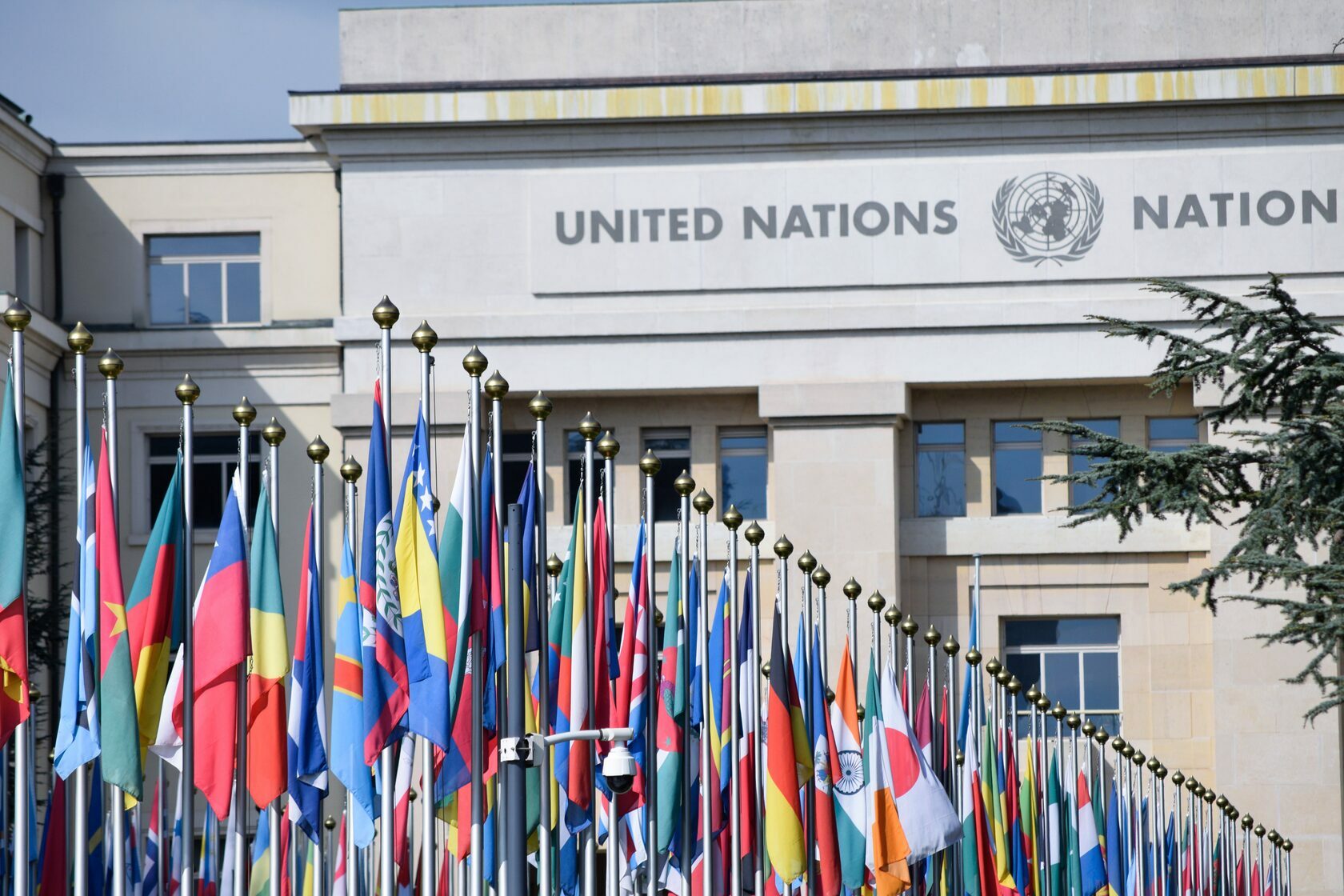
Switzerland, a picturesque European nation known for its stunning landscapes and cultural diversity, is home to a unique and vibrant population. This country, nestled in the heart of the Alps, boasts a rich history that has shaped its demographic makeup over the centuries. From its various linguistic communities to its multicultural influences, Switzerland's population is a reflection of its dynamic past and its role as a global hub for diplomacy, finance, and innovation.
Population of Switzerland
- Population: Approximately 8,563,760 (2023 estimate)
- Birth Rate: 10.3 births per 1,000 population (2023 estimate)
- Death Rate: 8.37 deaths per 1,000 population (2023 estimate)
- Net Migration Rate: 4.5 migrants per 1,000 population (2023 estimate)
Switzerland population 2022
As of December 31, 2022, Switzerland's permanent resident population stood at 8,815,400, reflecting a 0.9% increase compared to the previous year, 2021. This growth rate is slightly higher than in previous years, indicating that Switzerland's population is gradually expanding.
Switzerland population 2023
The population of Switzerland is constantly changing, influenced by various factors such as birth rates, immigration, and other demographic shifts. According to United Nations projections, as of 2023, Switzerland is home to approximately 8,796,669 people. This reflects a 0.64% increase from the previous year, 2022, when the population was 8,740,472, which itself saw a 0.56% increase from 2021.
Switzerland population density
Switzerland has a population density of approximately 223 people per square kilometer (or 577 people per square mile).
Switzerland cities by population
Switzerland's population is predominantly urban, with about 73.85% of its residents residing in cities and urban areas. The country's urban areas are characterized by economic activity, cultural diversity, and infrastructure development. The largest city in Switzerland is Zurich, with a population of 434,335 in the town proper and a larger metropolitan area of 1.83 million, making it the most populous city in the country. Geneva, known for its international organizations and diplomacy, is the second-most populous city, with about 203,951 residents in the city itself. Basel, with around 180,000 inhabitants, is the third-most populous city. Additionally, Lausanne, Bern, and Winterthur have populations exceeding 100,000.
Switzerland's urban population is experiencing steady growth, with an annual increase of approximately 0.78%. This trend reflects the attractiveness of Swiss cities for employment, education, and cultural opportunities, contributing to the country's urbanization and urban development.
Switzerland's urban population is experiencing steady growth, with an annual increase of approximately 0.78%. This trend reflects the attractiveness of Swiss cities for employment, education, and cultural opportunities, contributing to the country's urbanization and urban development.
Switzerland population growth rate
The Swiss population is growing at an annual rate of 0.8%.
Switzerland population by race and other indicators
Ethnic Groups: The population is diverse, with Swiss nationals forming the majority at 69.2%. Other significant ethnic groups include Germans (4.2%), Italians (3.2%), Portuguese (2.5%), French (2.1%), Kosovans (1.1%), Turks (1%), and various other ethnic backgrounds making up 16.7% (2020 estimate).
Switzerland white population
The majority of Switzerland's population is of European descent, and the country is predominantly composed of individuals of white ethnicity.
Switzerland black population
Official Swiss population statistics indicated that there were 73,553 foreign nationals with African nationality residing in Switzerland. This African immigrant population represented approximately 0.9% of the total Swiss population and accounted for 4.3% of the resident foreigner population in the country. It's important to note that this data specifically refers to individuals with African nationality and excludes immigrants with African ancestry from other parts of the world, such as the Dominican Republic, Brazil, the United States, Cuba, and other regions.
Switzerland Muslim population
Switzerland has a notable Muslim population, with the largest concentration residing in the German-speaking Swiss plateau. Several Swiss cantons have a significant Muslim presence, with the following having more than 5% Muslim population:
It's worth noting that Geneva, a non-German-speaking canton, has a Muslim population slightly above the national average at 6.24%. Switzerland stands out from some other European countries due to its relatively equal distribution of the Muslim population throughout the nation, and no administrative unit has more than 8.55% of Muslim residents. The lowest percentage of Muslims in a canton is 1.82%, found in the Italian-speaking Ticino.
The demographic composition of Switzerland's Muslim population is diverse, with 88.3% of Muslims having foreign backgrounds. A significant portion of these individuals come from former Yugoslavia (56.4%), primarily consisting of Bosniaks and Albanians from Kosovo. Additionally, 20.2% of Muslims are from Turkey, and 6% originate from various African countries, with 3.4% from North Africa. Switzerland also has a community of Muslim converts, estimated at around 10,000 among the 400,000 Muslim residents.
- Basel-Stadt: 8.17%
- Glarus: 7.72%
- Solothurn: 7.63%
- St. Gallen: 7.54%
- Aargau: 7.14%
- Schaffhausen: 7.02%
- Thurgau: 6.51%
- Zürich: 6.49%
- Geneva: 6.24%
- Basel-Landschaft: 5.61%
- Vaud: 5.22%
It's worth noting that Geneva, a non-German-speaking canton, has a Muslim population slightly above the national average at 6.24%. Switzerland stands out from some other European countries due to its relatively equal distribution of the Muslim population throughout the nation, and no administrative unit has more than 8.55% of Muslim residents. The lowest percentage of Muslims in a canton is 1.82%, found in the Italian-speaking Ticino.
The demographic composition of Switzerland's Muslim population is diverse, with 88.3% of Muslims having foreign backgrounds. A significant portion of these individuals come from former Yugoslavia (56.4%), primarily consisting of Bosniaks and Albanians from Kosovo. Additionally, 20.2% of Muslims are from Turkey, and 6% originate from various African countries, with 3.4% from North Africa. Switzerland also has a community of Muslim converts, estimated at around 10,000 among the 400,000 Muslim residents.
Indian population in Switzerland
Switzerland is home to a significant Indian community, which includes approximately 27,300 individuals, including over 8,750 persons of Indian origin. The Indian community in Switzerland is diverse, with many members working as professionals in various fields such as engineering, information technology, pharmaceuticals, and paramedical roles.
Portuguese population in Switzerland
Switzerland and Portugal have a longstanding tradition of diplomatic relations and cultural exchange, further enhanced by the presence of a substantial Portuguese community in Switzerland. With approximately 260,000 Portuguese nationals residing in Switzerland, the Portuguese community stands as the third-largest foreign community in the country.
Asian population in Switzerland
Approximately 2% of Switzerland's population consists of individuals of Asian descent.
Switzerland foreign population
In 2021, Switzerland's permanent resident population was characterized by its diverse migration background, with 39% of the population (approximately 2,890,000 individuals) having roots in other countries. What's noteworthy is that more than a third of this population, which amounts to 1,090,000 individuals, had acquired Swiss nationality. The majority of individuals with a migration background, nearly four-fifths (2,276,000), belong to the first generation, having been born outside of Switzerland. The remaining one-fifth, consisting of 615,000 individuals, is part of the second generation, as they were born in Switzerland to parents with a migration background.
Switzerland aging population
In 2022, Switzerland's population aged 65 years and above accounted for 19.3% of the total population. This demographic segment has seen significant growth over the years, increasing from 12% in 1973 to 19.3% in 2022. The average annual growth rate for the elderly population in Switzerland during this period was approximately 0.98%.