
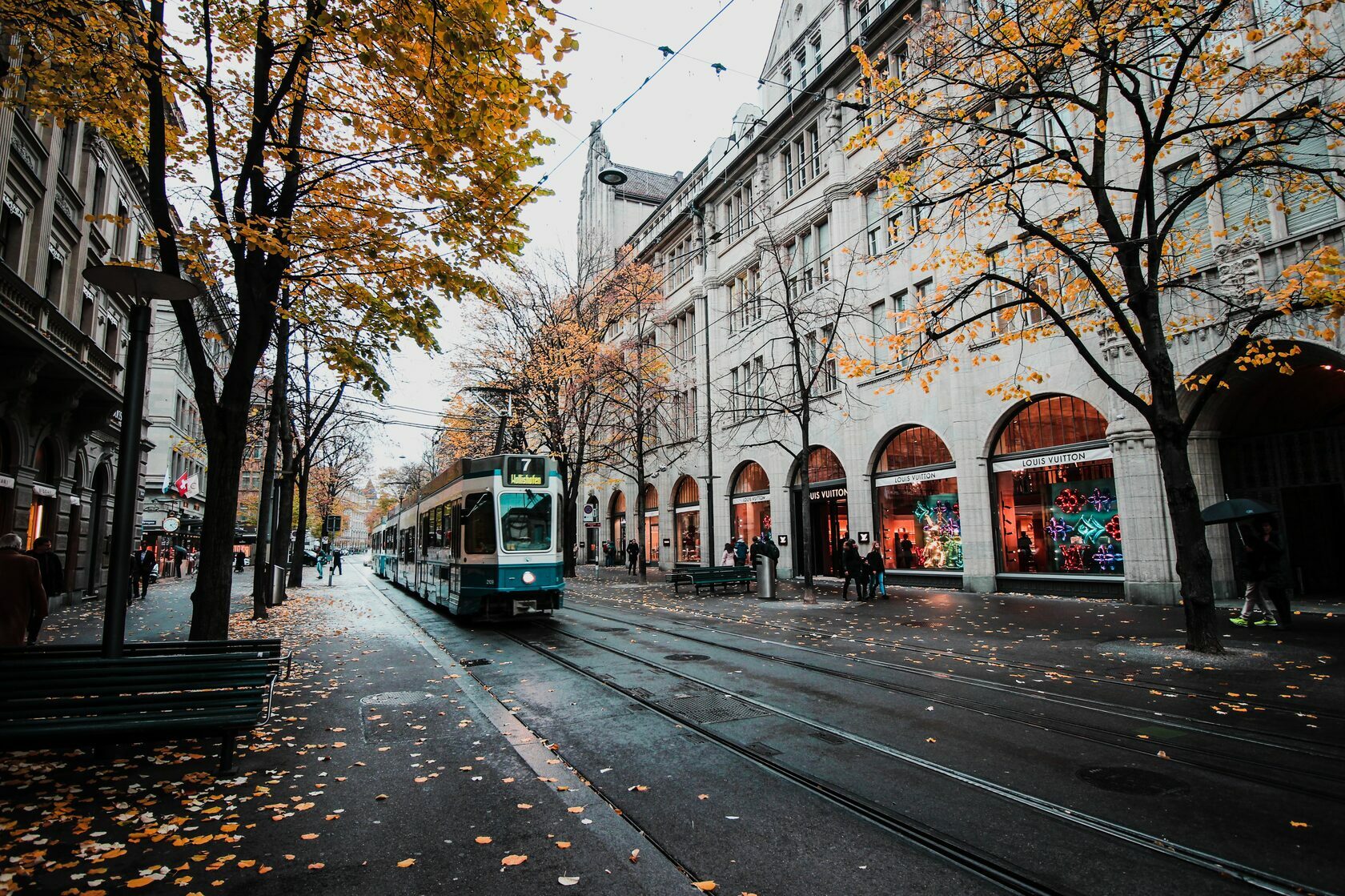
Switzerland, a picturesque country nestled in the heart of Europe, boasts a diverse and captivating climate. Its geographical diversity, characterized by majestic mountains, pristine lakes, and charming cities, contributes to a wide range of weather conditions throughout the year. From the snowy peaks of the Swiss Alps to the temperate cities like Zurich and Geneva, Switzerland's climate showcases a fascinating blend of seasonal variations and microclimates. In this introduction, we will delve into the unique climate characteristics that define Switzerland, making it a destination worth exploring for both outdoor enthusiasts and culture seekers.
Climate change in Switzerland depending on the season
Indeed, the evidence of climate change is unequivocal, with the Earth experiencing a notable warming trend since the onset of industrialization. This global phenomenon has left no corner of the world untouched, including Switzerland. On a global scale, the past decade alone has seen a substantial increase of 1.2°C in temperature compared to the pre-industrial era, representing a cause for concern. In Switzerland, the situation is even more striking, with temperatures rising by a significant 2.5°C during the same period. These elevated temperatures have far-reaching consequences for our planet, as they push the global mean temperature to levels unseen in the last two millennia, and possibly even in the past 125,000 years. Beyond the rise in temperature, various other climate system changes are evident, underscoring the urgency of addressing this issue on a worldwide scale
Weather in Switzerland
The ideal time to visit Switzerland is typically from April to October, although those who enjoy winter sports might prefer the period from December to March. Switzerland experiences four distinct seasons, each offering its own unique attractions.
During the spring months, from March to May, you can witness Alpine blooms, blossoming trees, and cows grazing in the pastures. In the warmest months of June, July, and August, you can expect pleasant summery temperatures, with the advantage of low humidity due to the high altitude. This is the season when both locals and tourists flock to the lakeshores, resulting in larger crowds.
The autumn months, spanning from September to November, are characterized by the wine and fruit harvests. From December to February, Switzerland transforms into a snowy wonderland with cold weather, making it a prime time for winter sports enthusiasts.
In the lowland areas, you can expect rain to be most frequent in November and May. As these months fall between the bustling summer and winter seasons, you may find that some attractions have reduced operating hours, and many residents take the opportunity to embark on their own journeys.
During the spring months, from March to May, you can witness Alpine blooms, blossoming trees, and cows grazing in the pastures. In the warmest months of June, July, and August, you can expect pleasant summery temperatures, with the advantage of low humidity due to the high altitude. This is the season when both locals and tourists flock to the lakeshores, resulting in larger crowds.
The autumn months, spanning from September to November, are characterized by the wine and fruit harvests. From December to February, Switzerland transforms into a snowy wonderland with cold weather, making it a prime time for winter sports enthusiasts.
In the lowland areas, you can expect rain to be most frequent in November and May. As these months fall between the bustling summer and winter seasons, you may find that some attractions have reduced operating hours, and many residents take the opportunity to embark on their own journeys.
Weather in Switzerland in Spring
Switzerland weather in March
March in Switzerland falls in the late winter to early spring transition, and the weather conditions you'll encounter largely depend on the altitude of the region. In higher mountainous areas, snow is still present, although it begins to melt at lower elevations, causing some lower-level ski resorts to close for the season.
In towns, cities, and valleys at lower altitudes, you can expect spring-like weather to make an appearance in March, and temperatures tend to be milder compared to February. In lowland cities such as Zürich, Geneva, and Lugano, the average temperature in March hovers around 48°F (9°C), indicating a shift towards more comfortable and spring-like conditions. However, at higher elevations in the Alps, temperatures are generally colder, with places like Zermatt having an average March temperature of just 25°F (-4°C).
In towns, cities, and valleys at lower altitudes, you can expect spring-like weather to make an appearance in March, and temperatures tend to be milder compared to February. In lowland cities such as Zürich, Geneva, and Lugano, the average temperature in March hovers around 48°F (9°C), indicating a shift towards more comfortable and spring-like conditions. However, at higher elevations in the Alps, temperatures are generally colder, with places like Zermatt having an average March temperature of just 25°F (-4°C).
Switzerland weather in April
In April, Switzerland experiences varying temperatures across the country. On average, daytime temperatures can reach up to 15°C, while nights tend to be colder, with temperatures dropping as low as 3°C. However, in the Alpine region, such as the ski resort town of Zermatt, daytime highs are much colder, averaging no more than 2°C. If you're looking for late-season snow in Switzerland, it's best to head to high-altitude areas, where you can expect around eight days of snowfall on average. This presents an opportunity for one last skiing or snowboarding adventure in Switzerland.
For those traveling to the low-lying Swiss cities, you can enjoy more temperate weather. In Bern, the average temperature in April is around 13°C, making it an excellent time to explore the city's beautiful streets. Zurich typically experiences daytime highs of around 14°C. The city of Lucerne is slightly warmer than Zurich during April, providing comfortable conditions for visitors.
For those traveling to the low-lying Swiss cities, you can enjoy more temperate weather. In Bern, the average temperature in April is around 13°C, making it an excellent time to explore the city's beautiful streets. Zurich typically experiences daytime highs of around 14°C. The city of Lucerne is slightly warmer than Zurich during April, providing comfortable conditions for visitors.
Switzerland weather in May
May marks the spring season in Switzerland, and the climate during this time is generally warm and pleasant, though it can vary between lowland and high-altitude areas. While you may still find snow in the highest mountain regions, most places below approximately 6,500 feet (2,000 meters) should be snow-free by May, and hiking trails will have thawed. Flowers begin to bloom at lower altitudes and in Alpine meadows, creating a vibrant and picturesque landscape.
In lowland cities such as Zürich, Geneva, and Lugano, the average temperature in April is around 63°F (17°C), and daytime temperatures can be much warmer, especially as the month progresses. However, in higher-altitude locations like Zermatt, you should still expect very cold temperatures in May, with an average temperature of only 37°F (2.5°C). So, if you plan to visit different parts of Switzerland in May, be prepared for varying temperature ranges based on the altitude of the region you are exploring.
In lowland cities such as Zürich, Geneva, and Lugano, the average temperature in April is around 63°F (17°C), and daytime temperatures can be much warmer, especially as the month progresses. However, in higher-altitude locations like Zermatt, you should still expect very cold temperatures in May, with an average temperature of only 37°F (2.5°C). So, if you plan to visit different parts of Switzerland in May, be prepared for varying temperature ranges based on the altitude of the region you are exploring.
Weather in Switzerland in Summer
Switzerland weather in June
June is a wonderful time to visit Switzerland, as it offers pleasant weather and a variety of outdoor activities. On an average day in June, the temperature in Switzerland typically ranges from about 16°C to 23°C. The highest temperatures may reach up to 21°C, while the lowest can drop to around 11°C. This comfortable temperature range provides an ideal environment for exploring the Swiss landscape.
During June, Switzerland enjoys long daylight hours, with the maximum time between sunrise and sundown lasting as much as 12 hours. This extended daylight is perfect for making the most of your outdoor adventures and sightseeing.
In June, snowfall in Switzerland is on the decline, allowing you to experience the country's stunning landscapes before the full onset of summer. While there might be some moderate rainfall, ranging from 137 to 173 mm, it generally doesn't deter travelers from enjoying the beauty of Switzerland. This is a prime time to visit and appreciate the Swiss wonderland in all its glory.
During June, Switzerland enjoys long daylight hours, with the maximum time between sunrise and sundown lasting as much as 12 hours. This extended daylight is perfect for making the most of your outdoor adventures and sightseeing.
In June, snowfall in Switzerland is on the decline, allowing you to experience the country's stunning landscapes before the full onset of summer. While there might be some moderate rainfall, ranging from 137 to 173 mm, it generally doesn't deter travelers from enjoying the beauty of Switzerland. This is a prime time to visit and appreciate the Swiss wonderland in all its glory.
Switzerland weather in July
July is considered midsummer in Switzerland, and despite the country's reputation for its snowy peaks, temperatures can get quite hot during this month. The temperature variation depends on the altitude, but it's not uncommon for lower-lying areas to experience high temperatures of up to 95°F (35°C). In cities like Geneva, Lugano, and Zürich, the average July temperature is approximately 75°F (24°C), making it a warm and sometimes hot month in urban areas. Travelers may find the heat in the cities to be a bit uncomfortable.
In contrast, high-altitude locations such as Zermatt in the Alps have much cooler temperatures, with an average July temperature of just 48°F (9°C). These areas provide a respite from the summer heat and can be more comfortable for outdoor activities.
July also brings long daylight hours to Switzerland, with the longest day of the year occurring in late June. Expect the sun to rise before 6 am and set after 9 pm, giving you plenty of daylight to enjoy various outdoor and cultural activities.
In contrast, high-altitude locations such as Zermatt in the Alps have much cooler temperatures, with an average July temperature of just 48°F (9°C). These areas provide a respite from the summer heat and can be more comfortable for outdoor activities.
July also brings long daylight hours to Switzerland, with the longest day of the year occurring in late June. Expect the sun to rise before 6 am and set after 9 pm, giving you plenty of daylight to enjoy various outdoor and cultural activities.
Switzerland weather in August
August marks the end of the summer season in Switzerland, and while temperatures are still warm, they tend to be slightly cooler on average compared to July. The temperature can vary based on altitude, but lower-lying areas can experience high temperatures of up to 95°F (35°C) during the summer.
In cities like Geneva, Lugano, and Zürich, the average August temperature typically hovers around 73°F (23°C). While these temperatures are warm, many travelers may still find August to be a bit hot in urban areas, making it important to stay hydrated and take precautions against the heat.
In contrast, high-altitude locations such as Zermatt in the Alps have much cooler temperatures in August, with an average temperature of around 48°F (9°C). These higher-altitude areas offer a refreshing escape from the summer heat and are great for outdoor activities and enjoying the Swiss alpine landscapes.
In cities like Geneva, Lugano, and Zürich, the average August temperature typically hovers around 73°F (23°C). While these temperatures are warm, many travelers may still find August to be a bit hot in urban areas, making it important to stay hydrated and take precautions against the heat.
In contrast, high-altitude locations such as Zermatt in the Alps have much cooler temperatures in August, with an average temperature of around 48°F (9°C). These higher-altitude areas offer a refreshing escape from the summer heat and are great for outdoor activities and enjoying the Swiss alpine landscapes.
Weather in Switzerland in Autumn
Switzerland weather in September
September in Switzerland marks the beginning of the fall season, but the weather remains quite summery and inviting for outdoor activities. Temperature variations are influenced by altitude, but in general, lower-lying areas experience mild to warm weather in September, especially earlier in the month.
In cities like Geneva, Lugano, and Zürich, the average September temperature typically reaches around 67°F (19°C). While this is a few degrees cooler than the peak summer months of July and August, it still provides comfortable conditions for outdoor exploration and sightseeing.
In high-altitude regions like Zermatt in the Alps, the average September temperature is approximately 45°F (7°C). Interestingly, this is not significantly different from the early summer averages, which means that high-altitude areas can still be enjoyed for outdoor activities, and you can appreciate the Swiss landscapes without the intense summer heat.
In cities like Geneva, Lugano, and Zürich, the average September temperature typically reaches around 67°F (19°C). While this is a few degrees cooler than the peak summer months of July and August, it still provides comfortable conditions for outdoor exploration and sightseeing.
In high-altitude regions like Zermatt in the Alps, the average September temperature is approximately 45°F (7°C). Interestingly, this is not significantly different from the early summer averages, which means that high-altitude areas can still be enjoyed for outdoor activities, and you can appreciate the Swiss landscapes without the intense summer heat.
Switzerland weather in October
October represents the middle of the fall season in Switzerland, bringing with it changeable weather conditions that can range from warm and pleasant, particularly earlier in the month, to wet, gray, and overcast as the month progresses. While mountain towns experience significantly cooler temperatures in October, lower elevations remain relatively mild.
In cities like Geneva, Lugano, and Zürich, the average October temperature typically hovers around 56°F (13°C). When the sun is out, these areas can experience warmer temperatures, making it a comfortable time for exploring. However, in high-altitude locations such as Zermatt, the average temperature in October is around 37°F (2.5°C), which is notably colder.
During October, the first snowfall of the season typically begins in the mountains, adding to the scenic beauty of the Swiss landscape and providing opportunities for those who enjoy winter sports and snow activities. It's a transitional period where you can experience the changing of the seasons in Switzerland.
In cities like Geneva, Lugano, and Zürich, the average October temperature typically hovers around 56°F (13°C). When the sun is out, these areas can experience warmer temperatures, making it a comfortable time for exploring. However, in high-altitude locations such as Zermatt, the average temperature in October is around 37°F (2.5°C), which is notably colder.
During October, the first snowfall of the season typically begins in the mountains, adding to the scenic beauty of the Swiss landscape and providing opportunities for those who enjoy winter sports and snow activities. It's a transitional period where you can experience the changing of the seasons in Switzerland.
Switzerland weather in November
November is officially fall in Switzerland, but the weather tends to become progressively more wintery as the month unfolds. In higher mountain regions, snowfall becomes more frequent, and temperatures drop significantly. However, at lower altitudes, you can still experience pleasant days.
Temperature variations are significant and depend on altitude. In cities like Geneva, Lugano, and Zürich, the average November temperature typically ranges around 46°F (7.5°C). These areas may still have relatively mild days, making it possible to enjoy outdoor activities. In contrast, high-altitude locations like Zermatt experience much colder temperatures, with an average November temperature of about 28°F (-2°C). This is nearly as cold as it gets in midwinter, so it's crucial to be prepared for chilly conditions in the mountainous regions during November.
Temperature variations are significant and depend on altitude. In cities like Geneva, Lugano, and Zürich, the average November temperature typically ranges around 46°F (7.5°C). These areas may still have relatively mild days, making it possible to enjoy outdoor activities. In contrast, high-altitude locations like Zermatt experience much colder temperatures, with an average November temperature of about 28°F (-2°C). This is nearly as cold as it gets in midwinter, so it's crucial to be prepared for chilly conditions in the mountainous regions during November.
Weather in Switzerland in Winter
Switzerland weather in December
December marks the official start of winter in Switzerland, even though the heaviest snowfall tends to occur later in the season. Ski fields begin to reopen throughout December, and it's the time when many winter sports enthusiasts eagerly await the start of the ski season. However, winter's föhn winds, which are warmer southerly winds on the northern slopes of the Alps, can lead to unpredictable and changeable weather conditions.
In Switzerland's towns, cities, and lower valleys, the December weather can be dull, cold, and wet, but not necessarily snowy. Heavy snow is relatively uncommon at lower elevations, and while you might experience a light dusting of snow, having a fully white Christmas in these areas is a rare occurrence. The days are also short, with the shortest day of the year falling in late December, which means there is limited daylight, making the temperatures feel even colder due to the lack of sunlight.
In lowland cities like Zürich, Geneva, and Lugano, the average December temperature is around 39°F (4°C), reflecting the chilly conditions in urban areas. Meanwhile, at higher elevations in the Alps, temperatures are generally colder, with an average December temperature in Zermatt, for example, hovering around 25°F (-4°C).
In Switzerland's towns, cities, and lower valleys, the December weather can be dull, cold, and wet, but not necessarily snowy. Heavy snow is relatively uncommon at lower elevations, and while you might experience a light dusting of snow, having a fully white Christmas in these areas is a rare occurrence. The days are also short, with the shortest day of the year falling in late December, which means there is limited daylight, making the temperatures feel even colder due to the lack of sunlight.
In lowland cities like Zürich, Geneva, and Lugano, the average December temperature is around 39°F (4°C), reflecting the chilly conditions in urban areas. Meanwhile, at higher elevations in the Alps, temperatures are generally colder, with an average December temperature in Zermatt, for example, hovering around 25°F (-4°C).
Switzerland weather in January
January falls in the middle of winter in Switzerland, and it's a month when places above 5,000 feet (1,500 m) are almost guaranteed to have snow on the ground. While winter officially begins in December, January and February are the months with the thickest snow cover. Switzerland's weather during this period can be influenced by föhn winds, which are warmer southerly winds on the northern slopes of the Alps. These winds can lead to unpredictable and sudden weather changes.
In towns, cities, and lower valleys in Switzerland, January weather is often characterized by dull, cold, and wet conditions, but not necessarily heavy snowfall. At lower elevations, heavy snow is relatively uncommon, although you might encounter some light dustings. The days are short, which means there's limited daylight, making the cold temperatures feel even more pronounced.
In lowland cities like Zürich, Geneva, and Lugano, the average January temperature typically reaches around 37°F (3°C), reflecting the chilly conditions in urban areas. In contrast, at higher elevations in the Alps, temperatures are generally colder, with places like Zermatt having an average January temperature of about 21°F (-6°C).
In towns, cities, and lower valleys in Switzerland, January weather is often characterized by dull, cold, and wet conditions, but not necessarily heavy snowfall. At lower elevations, heavy snow is relatively uncommon, although you might encounter some light dustings. The days are short, which means there's limited daylight, making the cold temperatures feel even more pronounced.
In lowland cities like Zürich, Geneva, and Lugano, the average January temperature typically reaches around 37°F (3°C), reflecting the chilly conditions in urban areas. In contrast, at higher elevations in the Alps, temperatures are generally colder, with places like Zermatt having an average January temperature of about 21°F (-6°C).
Switzerland weather in February
February falls in the heart of winter in Switzerland, and locations above 5,000 feet (1,500 m) are highly likely to have snow cover during this month. The thickest snowfall typically occurs in January and February, making these months ideal for snow sports and activities in higher-altitude regions. Föhn winds, which are warmer southerly winds on the northern slopes of the Alps, can influence the weather in unpredictable and sudden ways during the winter season.
In lower-altitude towns, cities, and valleys, the weather in February is often characterized by dull, cold, and wet conditions, although heavy snow is relatively rare at lower elevations. By February, the days are slowly getting longer, with increasing daylight hours, and the nights are shorter compared to the darkest days in late December.
In lowland cities like Zürich, Geneva, and Lugano, the average February temperature typically reaches around 39°F (4°C), indicating the cold but bearable conditions in urban areas during this winter month. In contrast, at higher elevations in the Alps, temperatures are generally colder, with places like Zermatt having an average February temperature of about 23°F (-5°C).
In lower-altitude towns, cities, and valleys, the weather in February is often characterized by dull, cold, and wet conditions, although heavy snow is relatively rare at lower elevations. By February, the days are slowly getting longer, with increasing daylight hours, and the nights are shorter compared to the darkest days in late December.
In lowland cities like Zürich, Geneva, and Lugano, the average February temperature typically reaches around 39°F (4°C), indicating the cold but bearable conditions in urban areas during this winter month. In contrast, at higher elevations in the Alps, temperatures are generally colder, with places like Zermatt having an average February temperature of about 23°F (-5°C).
Mountain of climate in Switzerland
The climate in Switzerland's mountainous regions is heavily influenced by altitude. High-altitude areas, like the Alps, feature cool summers and cold winters with abundant snowfall. These regions experience significant snowfall during the winter months, making them popular for winter sports such as skiing and snowboarding. In the summer, the mountains come alive with alpine meadows and pastures, creating a picturesque landscape for tourists and hikers.
In the lowland regions and valleys, the climate is more temperate, with warmer summers and milder winters. Precipitation is less intense in these areas, and snowfall during winter is less frequent. Large cities like Zurich and Geneva are located in these regions, where the climate is closer to continental, characterized by warm summers and cool winters.
In the lowland regions and valleys, the climate is more temperate, with warmer summers and milder winters. Precipitation is less intense in these areas, and snowfall during winter is less frequent. Large cities like Zurich and Geneva are located in these regions, where the climate is closer to continental, characterized by warm summers and cool winters.
The climate in Switzerland now compared to previous years
Switzerland's climate is notably influenced by its geographical features, particularly the presence of the Alps and its proximity to the Atlantic Ocean. The southern side of the Alps is predominantly affected by the Mediterranean Sea. The country experiences four distinct seasons, and its climate characteristics are evaluated based on long-term averages, deviations from these averages, and extreme or record values. Key climate factors under scrutiny include temperature, precipitation, sunshine duration, and wind patterns.
MeteoSwiss, the Federal Office of Meteorology and Climatology, operates a comprehensive Climate Observation Network that has been expanding since 1864 and will continue to do so in the future. This network forms the foundation for climate observations and analyses conducted in Switzerland. MeteoSwiss produces monthly and annual reports that provide insights into the current climate conditions. The Swiss Weather Archive contains historical annual reports dating back to the inception of measurements. To describe the current climate, MeteoSwiss adheres to the World Meteorological Organization's (WMO) guidelines, utilizing measurement data from the period between 1991 and 2020.
Temperature-wise, the average temperature across Switzerland for the years 1991-2020 stands at 5.8°C. In the Swiss lowlands, the annual mean temperature typically falls within the range of 8-12°C. The warmest temperatures north of the Alps are recorded in regions such as Western Switzerland along Lake Geneva, the southern Jura foothills, Basel, and the Foehn valleys along the Rhine and Reuss rivers. In areas surrounding the major Ticino lakes and Lower Valais, the annual averages tend to be slightly higher. As one moves into the pre-Alps and Alps, the annual mean temperature decreases with increasing altitude. In the highest regions of Switzerland, average temperatures are significantly below freezing.
MeteoSwiss, the Federal Office of Meteorology and Climatology, operates a comprehensive Climate Observation Network that has been expanding since 1864 and will continue to do so in the future. This network forms the foundation for climate observations and analyses conducted in Switzerland. MeteoSwiss produces monthly and annual reports that provide insights into the current climate conditions. The Swiss Weather Archive contains historical annual reports dating back to the inception of measurements. To describe the current climate, MeteoSwiss adheres to the World Meteorological Organization's (WMO) guidelines, utilizing measurement data from the period between 1991 and 2020.
Temperature-wise, the average temperature across Switzerland for the years 1991-2020 stands at 5.8°C. In the Swiss lowlands, the annual mean temperature typically falls within the range of 8-12°C. The warmest temperatures north of the Alps are recorded in regions such as Western Switzerland along Lake Geneva, the southern Jura foothills, Basel, and the Foehn valleys along the Rhine and Reuss rivers. In areas surrounding the major Ticino lakes and Lower Valais, the annual averages tend to be slightly higher. As one moves into the pre-Alps and Alps, the annual mean temperature decreases with increasing altitude. In the highest regions of Switzerland, average temperatures are significantly below freezing.
Switzerland's climate vs Spain climate
When comparing the climates of Switzerland and Spain, several key factors come into play. Switzerland tends to have cooler temperatures on both daytime and nighttime, with average daytime temperatures at around 15.2°C and nighttime temperatures around 6.4°C. In contrast, Spain enjoys notably warmer temperatures, with daytime temperatures averaging around 21.0°C and nighttime temperatures around 11.1°C.
Water temperatures in Switzerland are also cooler, with an average of 10.8°C, while Spain experiences milder water temperatures at around 16.7°C.
Relative humidity in Switzerland stands at 76%, slightly higher than Spain's 68%, which indicates that Switzerland may feel more humid.
Regarding rainfall, Switzerland sees more rain days, averaging 9.5 days, while Spain experiences fewer rain days, approximately 5.9 days.
In terms of sunshine hours per day, Spain outshines Switzerland with an average of 7.0 hours of sunshine, whereas Switzerland receives around 5.2 hours of sunshine per day. These climate differences make Spain a generally warmer and sunnier destination, while Switzerland offers cooler and more humid conditions with a higher chance of rain.
Water temperatures in Switzerland are also cooler, with an average of 10.8°C, while Spain experiences milder water temperatures at around 16.7°C.
Relative humidity in Switzerland stands at 76%, slightly higher than Spain's 68%, which indicates that Switzerland may feel more humid.
Regarding rainfall, Switzerland sees more rain days, averaging 9.5 days, while Spain experiences fewer rain days, approximately 5.9 days.
In terms of sunshine hours per day, Spain outshines Switzerland with an average of 7.0 hours of sunshine, whereas Switzerland receives around 5.2 hours of sunshine per day. These climate differences make Spain a generally warmer and sunnier destination, while Switzerland offers cooler and more humid conditions with a higher chance of rain.