
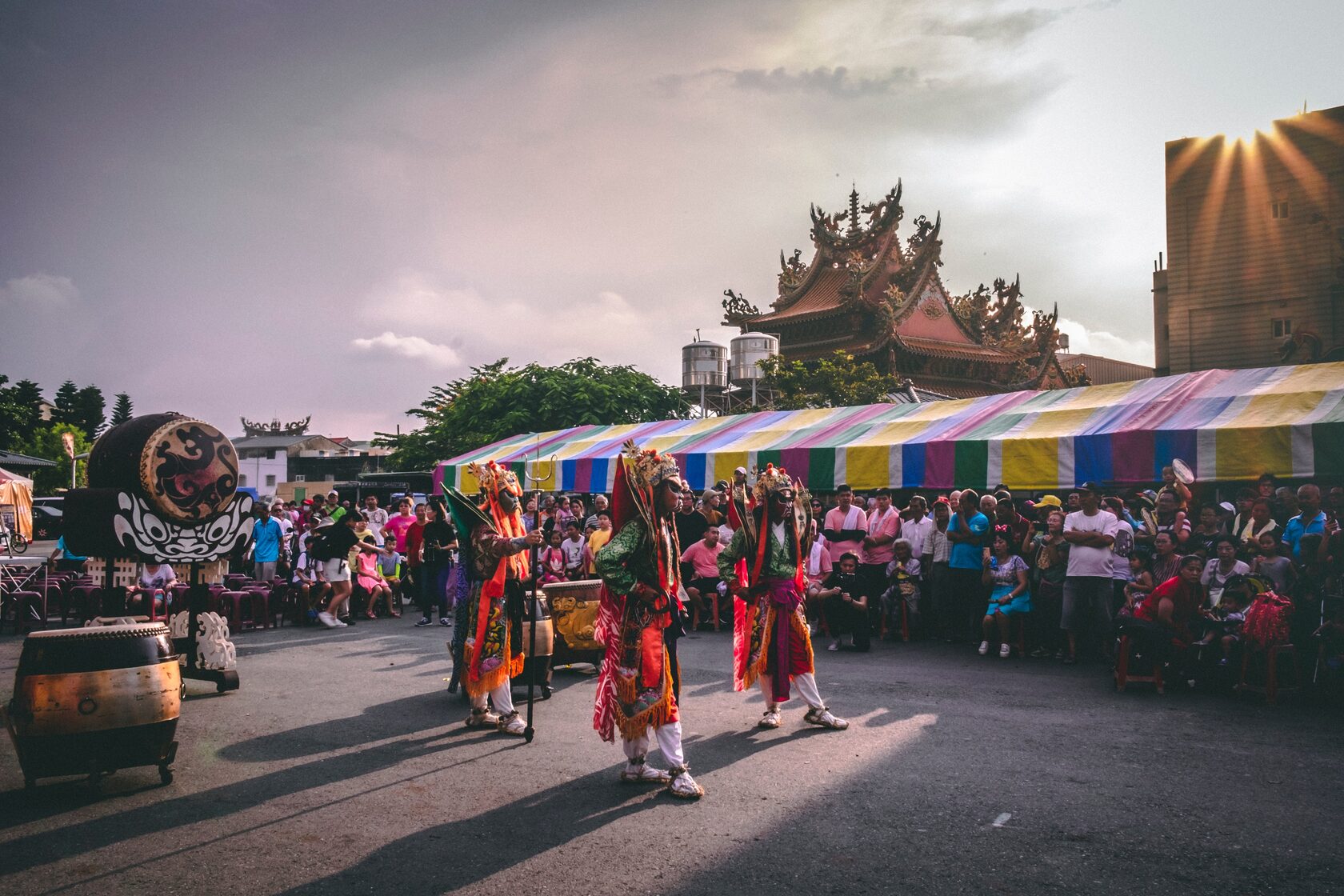
Taiwan's rich and diverse culture is a captivating blend of traditional Chinese influences, indigenous heritage, and modern innovations. With a history steeped in resilience and a contemporary spirit of creativity, Taiwan's cultural tapestry unfolds as a vibrant mosaic of traditions, arts, and flavors.
Is Taiwan a collectivist culture?
Yes, Taiwan is generally considered to have a collectivist culture. Traditional values in Taiwanese society emphasize harmony, family, and social cohesion. There is a strong emphasis on group identity, loyalty, and cooperation, reflecting the broader East Asian cultural trend of collectivism.
Taiwanese culture: history
The trajectory of Taiwan's culture and its enduring legacy has been profoundly influenced by a series of imperialistic and colonial forces. Successive colonial projects have played a pivotal role in shaping Taiwan's self-perception and the evolution of both official and unofficial cultural norms. Throughout its history of colonization, Taiwan found itself situated on the cultural periphery, experiencing shifts in its cultural center with each change in ruling authority, from indigenous Taiwan to Amsterdam, Amoy (Xiamen), Qing-era Peking, Imperial Japan, postwar China, and even the United States.
Before the Qing Empire relinquished control of Taiwan to Japan in 1895, the island's cultural landscape reflected the coexistence of Qing frontier societies, consisting of Han farmers and highland Aborigines. Taiwan's strategic location along East Asian trade routes exposed its people to cosmopolitan influences and the impact of European commerce. During the Japanese era (1895–1945), Taiwan underwent a significant transformation from local to global culture, guided by Japanese-style "westernization." This shift gained momentum during Japan's wartime preparations when efforts were intensified to Japanize Taiwan for mobilization against the Allies.
Japan's influence during this period imparted Japanese culture and language to Taiwan's elite, without significant interference in religious organizations. Even after World War II, when Japan's suppressive wartime policies were lifted, the Taiwanese eagerly continued their prewar cosmopolitan activities. The enduring imprint of Japan's colonial legacy is visible in various aspects of Taiwanese customs and mannerisms. Notably, Japan's substantial investment in constructing Taiwan's economic infrastructure and industrial base is often credited as a key factor in the island's rapid economic development.
Before the Qing Empire relinquished control of Taiwan to Japan in 1895, the island's cultural landscape reflected the coexistence of Qing frontier societies, consisting of Han farmers and highland Aborigines. Taiwan's strategic location along East Asian trade routes exposed its people to cosmopolitan influences and the impact of European commerce. During the Japanese era (1895–1945), Taiwan underwent a significant transformation from local to global culture, guided by Japanese-style "westernization." This shift gained momentum during Japan's wartime preparations when efforts were intensified to Japanize Taiwan for mobilization against the Allies.
Japan's influence during this period imparted Japanese culture and language to Taiwan's elite, without significant interference in religious organizations. Even after World War II, when Japan's suppressive wartime policies were lifted, the Taiwanese eagerly continued their prewar cosmopolitan activities. The enduring imprint of Japan's colonial legacy is visible in various aspects of Taiwanese customs and mannerisms. Notably, Japan's substantial investment in constructing Taiwan's economic infrastructure and industrial base is often credited as a key factor in the island's rapid economic development.
Is food important to Taiwanese culture?
Taiwanese culture places a significant emphasis on local cuisine, yet this culinary enthusiasm extends beyond regional borders. While a fervor for Taiwanese dishes is evident, there is also a notable interest in international fare. Japanese cuisine, in particular, has secured a lasting place in the hearts and palates of the Taiwanese. In cities like Taipei, the culinary landscape boasts a diverse range, featuring not only local specialties but also a selection of halal restaurants. In Taichung, the presence of well-regarded Indian eateries further exemplifies the openness to global flavors.
Food culture in Taiwan
Taiwanese food culture is widely embraced and encompasses various styles, including Chinese and the indigenous cuisines of Taiwan's original inhabitants, which are among the earliest known culinary traditions. With a history spanning over a century, mainstream Taiwanese cuisine has undergone dynamic evolution, drawing influences from diverse sources. Notably, Hakka cuisine, the culinary practices of waishengren (people from other provinces), Japanese cuisine, and American culinary elements have all played roles in shaping the rich tapestry of Taiwanese gastronomy. Among these influences, southern Fujian cuisine has left a particularly profound impact, contributing to the unique and flavorful characteristics that define Taiwan's vibrant food culture.
Cafe culture in Taiwan
Taiwan's cafe culture has a fascinating evolution intertwined with its rich history. Although traditionally renowned for tea, the introduction of coffee dates back to the 19th century during the Japanese colonial period. Initially a luxury item for the upper class, coffee gained wider popularity in the mid-20th century, marked by the emergence of coffee shops like Fong Da Coffee, established in 1956.
The 1990s saw the second wave of coffee culture, influenced by a demand for higher quality and diversity. International chains like Starbucks played a pivotal role in making coffee more accessible to the masses. Fast forward to the early 2000s, and Taiwan embraced the third wave of coffee culture, emphasizing quality, craftsmanship, and sustainability. This phase witnessed the resurgence of local coffee production in regions like Gukeng, Tainan, Alishan, and Pingtung.
Today, Taiwan's coffee scene is a blend of tradition and modernity. From classic spots like Fonda, which exude a nostalgic charm, to the globally acclaimed Simple Kaffa, Taiwan offers a diverse range of coffee experiences. Notable establishments like Wooloomooloo blend Australian and Taiwanese influences, while Coffee Stopover in Taichung combines quality, creativity, and experimentation. Leaven Café in Taichung takes coffee experiences to a new level with its specialized Dirty Coffee.
Various brewing methods contribute to Taiwan's specialty coffee landscape. Pour-over at Simple Kaffa, AeroPress at Coffee Stopover, and siphon brewing at Fonda showcase the country's commitment to providing diverse and high-quality options. Cold brew, especially popular in hot weather, is a refreshing choice offered at places like Wooloomooloo.
The cafe culture in Taiwan isn't just about beverages; it's a holistic experience. Leaven Café, for instance, elevates coffee to an art form, emphasizing both tradition and innovation. The ambiance at Leaven is designed to invoke serenity and creativity, making it a must-visit for those seeking a unique coffee journey.
Taiwanese coffee culture isn't confined to individual experiences. The country hosts various coffee events and festivals, such as the Taiwan International Coffee Show, Taiwan Barista Championship, and Taiwan Latte Art Championship. These events celebrate the skills, creativity, and innovation within the local coffee industry.
The 1990s saw the second wave of coffee culture, influenced by a demand for higher quality and diversity. International chains like Starbucks played a pivotal role in making coffee more accessible to the masses. Fast forward to the early 2000s, and Taiwan embraced the third wave of coffee culture, emphasizing quality, craftsmanship, and sustainability. This phase witnessed the resurgence of local coffee production in regions like Gukeng, Tainan, Alishan, and Pingtung.
Today, Taiwan's coffee scene is a blend of tradition and modernity. From classic spots like Fonda, which exude a nostalgic charm, to the globally acclaimed Simple Kaffa, Taiwan offers a diverse range of coffee experiences. Notable establishments like Wooloomooloo blend Australian and Taiwanese influences, while Coffee Stopover in Taichung combines quality, creativity, and experimentation. Leaven Café in Taichung takes coffee experiences to a new level with its specialized Dirty Coffee.
Various brewing methods contribute to Taiwan's specialty coffee landscape. Pour-over at Simple Kaffa, AeroPress at Coffee Stopover, and siphon brewing at Fonda showcase the country's commitment to providing diverse and high-quality options. Cold brew, especially popular in hot weather, is a refreshing choice offered at places like Wooloomooloo.
The cafe culture in Taiwan isn't just about beverages; it's a holistic experience. Leaven Café, for instance, elevates coffee to an art form, emphasizing both tradition and innovation. The ambiance at Leaven is designed to invoke serenity and creativity, making it a must-visit for those seeking a unique coffee journey.
Taiwanese coffee culture isn't confined to individual experiences. The country hosts various coffee events and festivals, such as the Taiwan International Coffee Show, Taiwan Barista Championship, and Taiwan Latte Art Championship. These events celebrate the skills, creativity, and innovation within the local coffee industry.
Tea culture in Taiwan
Taiwanese tea culture encompasses a rich tapestry of tea arts, traditional ceremonies, and the social dimensions of tea consumption, rooted in its deep connection to Chinese tea culture. Classical arts such as calligraphy, flower arrangement, and incense appreciation are integral components, adding a multi-sensory experience to the act of enjoying tea.
With a heritage deeply influenced by Chinese traditions, Taiwan has developed its unique approach to tea culture. Oolong tea, in particular, holds a special place, celebrated for its nuanced flavors and intricate production processes. Teahouses, commonly referred to as "tea-arts" shops, are widespread, serving as communal spaces for tea enthusiasts to gather, converse, and appreciate the artistry involved in preparing and serving tea.
The social aspects of tea consumption in Taiwan extend beyond the act of drinking itself; they encompass the rituals of brewing, pouring, and sharing tea, fostering connections and conversations among individuals.
With a heritage deeply influenced by Chinese traditions, Taiwan has developed its unique approach to tea culture. Oolong tea, in particular, holds a special place, celebrated for its nuanced flavors and intricate production processes. Teahouses, commonly referred to as "tea-arts" shops, are widespread, serving as communal spaces for tea enthusiasts to gather, converse, and appreciate the artistry involved in preparing and serving tea.
The social aspects of tea consumption in Taiwan extend beyond the act of drinking itself; they encompass the rituals of brewing, pouring, and sharing tea, fostering connections and conversations among individuals.
Work culture in Taiwan
Adapting to the Taiwanese workplace culture, whether as a foreign professional in a local company or engaging in business interactions, requires navigating specific cultural nuances. One prominent distinction lies in the approach to giving feedback. In Taiwan's non-confrontational culture, direct and opinionated feedback may be uncomfortable, especially in public settings where the concept of "face" holds significant importance. Negative comments are best conveyed privately, with a focus on preserving the dignity and reputation of colleagues.
Another crucial aspect is the handling of hierarchy. Respect for seniority is paramount, and tasks assigned by superiors are expected to be carried out precisely as instructed. Offering suggestions or expressing opinions to a higher-ranking individual too early in the professional relationship may be perceived as criticism. Building a strong personal relationship with superiors is emphasized, fostering a sense of alliance within the workplace.
Establishing and nurturing guanxi, or personal connections, is a fundamental component of Taiwanese professional success. While maintaining professional boundaries, showing genuine interest in colleagues' personal lives and building rapport contributes to cultivating trust. Gift-giving is a common practice, demonstrating appreciation and respect, particularly when returning from trips or vacations.
Lastly, the Taiwanese work culture often leans towards structure over flexibility. Presenteeism is prevalent, where physical attendance in the office is equated with productivity. This lack of flexibility can be challenging for foreign professionals accustomed to more adaptive work environments. Entrepreneurs aiming to start their own companies may find success by offering a more flexible work culture that considers individual work-life balance, fostering a collaborative and innovative environment.
Another crucial aspect is the handling of hierarchy. Respect for seniority is paramount, and tasks assigned by superiors are expected to be carried out precisely as instructed. Offering suggestions or expressing opinions to a higher-ranking individual too early in the professional relationship may be perceived as criticism. Building a strong personal relationship with superiors is emphasized, fostering a sense of alliance within the workplace.
Establishing and nurturing guanxi, or personal connections, is a fundamental component of Taiwanese professional success. While maintaining professional boundaries, showing genuine interest in colleagues' personal lives and building rapport contributes to cultivating trust. Gift-giving is a common practice, demonstrating appreciation and respect, particularly when returning from trips or vacations.
Lastly, the Taiwanese work culture often leans towards structure over flexibility. Presenteeism is prevalent, where physical attendance in the office is equated with productivity. This lack of flexibility can be challenging for foreign professionals accustomed to more adaptive work environments. Entrepreneurs aiming to start their own companies may find success by offering a more flexible work culture that considers individual work-life balance, fostering a collaborative and innovative environment.
Fitness culture in Taiwan
Over the past decade, there has been a notable increase in the adoption of robust fitness routines among the Taiwanese population, transforming fitness activities into a mainstream phenomenon. According to information from GO SURVEY, the year 2021 witnessed a significant surge, with 56.9% of Taiwanese individuals engaging in exercise two or more times per week. Furthermore, 24.8% of the population reported engaging in fitness activities three or more times weekly, and an impressive 23% committed to daily exercise.
Taiwanese pop culture
Taiwanese pop culture has undergone a remarkable transformation over the past decade, solidifying its position as a dynamic and influential force. Mandopop music, characterized by artists such as Jay Chou and Jolin Tsai, resonates both domestically and internationally, contributing to Taiwan's musical prowess. The television industry, known for its popular T-dramas like "Meteor Garden" and engaging variety shows, has also played a pivotal role in shaping the entertainment landscape.
Beyond the audio-visual realm, Taiwan's pop culture extends into various facets of daily life. The vibrant street fashion scene, culinary innovations showcased in bustling night markets, and a thriving film industry with globally acclaimed directors highlight the multifaceted nature of Taiwanese culture. Additionally, the influence of anime and manga, the flourishing gaming culture, and the rise of social media influencers collectively underscore Taiwan's ability to seamlessly blend tradition with modernity in its cultural expressions.
Beyond the audio-visual realm, Taiwan's pop culture extends into various facets of daily life. The vibrant street fashion scene, culinary innovations showcased in bustling night markets, and a thriving film industry with globally acclaimed directors highlight the multifaceted nature of Taiwanese culture. Additionally, the influence of anime and manga, the flourishing gaming culture, and the rise of social media influencers collectively underscore Taiwan's ability to seamlessly blend tradition with modernity in its cultural expressions.
Does Taiwan have a distinct culture from Chinese?
Taiwan and China share a complex and politically charged relationship, and despite the ongoing debate about Taiwan's status, it is essential to recognize the distinctive cultural and linguistic differences between the two regions. Contrary to the misconception that life in Taiwan mirrors that of Mainland China, exploring aspects of Taiwanese culture unveils unique characteristics that set it apart.
One notable feature of Taiwanese culture is the prevalence and significance of convenience stores. Similar to Japan, Taiwan boasts an extensive convenience store culture, with ubiquitous chains like Family Mart and 7-Eleven open 24/7. These stores offer a wide range of high-quality meals, snacks, and services, such as paying fines, taxes, and even sending money. The roots of this convenience store culture trace back to the late 20th century, integrating seamlessly into Taiwanese daily life and continually expanding their services.
Night markets are another vibrant aspect of Taiwanese culture, distinct from those in China. These markets, whether permanent or temporary, attract large crowds seeking entertainment, street food, and shopping. While China also has night markets, Taiwan's are more renowned, embodying a cherished element of local culture.
Taiwanese cuisine reflects a fusion of influences, primarily stemming from the Fujian region of China, but enriched by indigenous Hakka cuisine and Japanese culinary contributions during the colonial period. Unique dishes like Taiwanese-style sticky rice and the internationally beloved bubble tea originated in Taiwan. The diverse culinary landscape also features tropical fruits, shaved ice treats, and the distinctive aroma of stinky tofu at night markets.
Language is another differentiating factor, with Mandarin being widely spoken in Taiwan, but with notable distinctions. Mandarin in Taiwan uses Traditional Chinese characters, and the spoken language carries a regional accent described as softer and flatter compared to the Northern Mandarin accent in Mainland China. Vocabulary differences, such as the use of 禮拜 for "week" and 脚踏車 for "bicycle," further contribute to the linguistic uniqueness of Taiwanese Mandarin.
One notable feature of Taiwanese culture is the prevalence and significance of convenience stores. Similar to Japan, Taiwan boasts an extensive convenience store culture, with ubiquitous chains like Family Mart and 7-Eleven open 24/7. These stores offer a wide range of high-quality meals, snacks, and services, such as paying fines, taxes, and even sending money. The roots of this convenience store culture trace back to the late 20th century, integrating seamlessly into Taiwanese daily life and continually expanding their services.
Night markets are another vibrant aspect of Taiwanese culture, distinct from those in China. These markets, whether permanent or temporary, attract large crowds seeking entertainment, street food, and shopping. While China also has night markets, Taiwan's are more renowned, embodying a cherished element of local culture.
Taiwanese cuisine reflects a fusion of influences, primarily stemming from the Fujian region of China, but enriched by indigenous Hakka cuisine and Japanese culinary contributions during the colonial period. Unique dishes like Taiwanese-style sticky rice and the internationally beloved bubble tea originated in Taiwan. The diverse culinary landscape also features tropical fruits, shaved ice treats, and the distinctive aroma of stinky tofu at night markets.
Language is another differentiating factor, with Mandarin being widely spoken in Taiwan, but with notable distinctions. Mandarin in Taiwan uses Traditional Chinese characters, and the spoken language carries a regional accent described as softer and flatter compared to the Northern Mandarin accent in Mainland China. Vocabulary differences, such as the use of 禮拜 for "week" and 脚踏車 for "bicycle," further contribute to the linguistic uniqueness of Taiwanese Mandarin.
Japanese culture in Taiwan
In the past, Taiwanese households featured tatami floorings, a practice influenced by Japanese architectural styles during the colonial era. However, over the last 50 years, the use of tatami mats has dwindled in modern Taiwanese homes. Elderly Taiwanese, reminiscing about their childhood homes built by the Japanese, express nostalgia for sitting on tatami mats. Despite this sentiment, many find it challenging to adopt the traditional seiza style due to years of accustomed chair usage.
Japanese social norms, such as the rule against eating while walking, have also undergone changes in Taiwan. Despite the initial influence of this rule, Taiwanese culture has gradually shifted away from this practice. While the rule persisted into middle school for some, it eventually faded as Taiwanese people found it challenging to comply.
The evolution of Sino-Japanese vocabulary is evident in various aspects of daily life. For instance, terms like "保健室" (hokenshitsu) for "infirmary" were once prevalent but have given way to purely Chinese terms like "醫務室" (yiwushi) in contemporary Taiwanese schools. Similar shifts are observed in terms like "飛行場" (hikōjō) for "airport," which has been replaced by the Chinese term "機場" (jichang).
Lastly, a cultural shift is noted in the practice of Taiwanese kindergarten and elementary school students wearing hats. While it was once a common tradition, recent observations suggest that this practice has become less prevalent in most Taiwanese primary schools.
Japanese social norms, such as the rule against eating while walking, have also undergone changes in Taiwan. Despite the initial influence of this rule, Taiwanese culture has gradually shifted away from this practice. While the rule persisted into middle school for some, it eventually faded as Taiwanese people found it challenging to comply.
The evolution of Sino-Japanese vocabulary is evident in various aspects of daily life. For instance, terms like "保健室" (hokenshitsu) for "infirmary" were once prevalent but have given way to purely Chinese terms like "醫務室" (yiwushi) in contemporary Taiwanese schools. Similar shifts are observed in terms like "飛行場" (hikōjō) for "airport," which has been replaced by the Chinese term "機場" (jichang).
Lastly, a cultural shift is noted in the practice of Taiwanese kindergarten and elementary school students wearing hats. While it was once a common tradition, recent observations suggest that this practice has become less prevalent in most Taiwanese primary schools.