
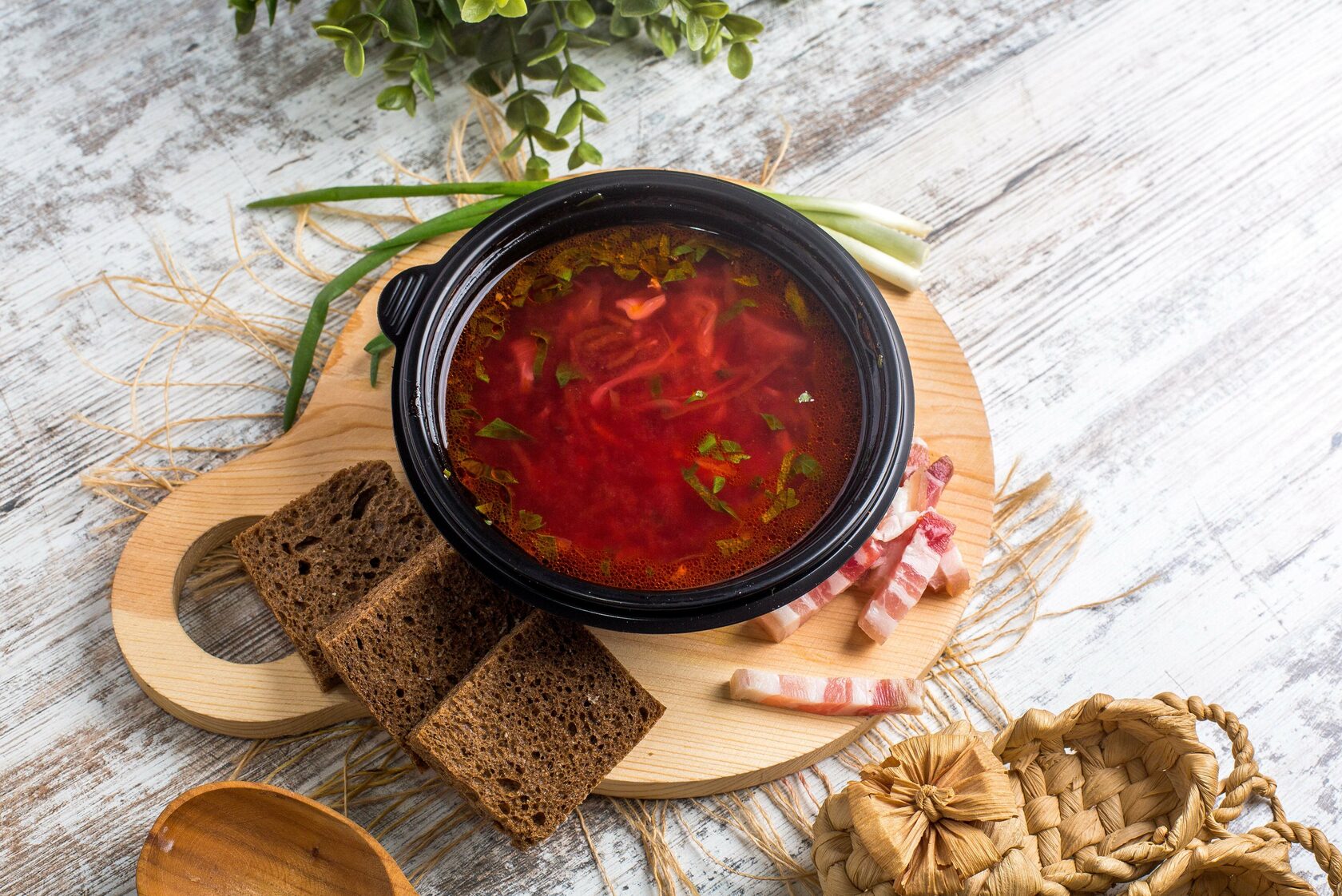
Ukraine, a country rich in cultural diversity and culinary heritage, boasts a vibrant food scene that reflects its history and geographical influences. From hearty traditional dishes to innovative culinary creations, Ukrainian cuisine is a delightful journey through flavors that captivate the senses.
Ukraine food and history
Ukrainian food intertwines seamlessly with the nation's rich history, serving as a flavorful testament to its resilience and enduring traditions. Rooted in the fertile lands of Eastern Europe, Ukrainian cuisine has evolved over centuries, blending influences from various cultures that have shaped the nation. Staple ingredients like grains, potatoes, and dairy form the foundation of hearty dishes, while the intricate preparation methods reflect a deep connection to the land and its people.
As Ukraine navigated through historical challenges, its culinary identity adapted and thrived, showcasing a diverse array of dishes that range from the iconic borscht to savory pierogies. Each meal tells a story, preserving the essence of Ukrainian history on the dining table. Whether exploring the bustling markets of Kyiv or savoring a homemade meal in a village kitchen, the fusion of Ukraine's food and history creates a culinary tapestry that is both intriguing and delicious.
As Ukraine navigated through historical challenges, its culinary identity adapted and thrived, showcasing a diverse array of dishes that range from the iconic borscht to savory pierogies. Each meal tells a story, preserving the essence of Ukrainian history on the dining table. Whether exploring the bustling markets of Kyiv or savoring a homemade meal in a village kitchen, the fusion of Ukraine's food and history creates a culinary tapestry that is both intriguing and delicious.
Traditional food in Ukraine
Borscht, often spelled in various ways such as borsch or borsht, stands out as a distinctive Ukrainian sour soup renowned for its vibrant red hue.
Varenyky, another culinary gem, consists of dough pockets filled with an array of ingredients, ranging from meat and potatoes to mushrooms, vegetables, fruits, cheese, or berries. These delightful dumplings can be enjoyed with both savory and sweet fillings, offering a versatile taste experience.
Holubtsi, cabbage rolls filled with a delectable mixture of ground meat, rice, and onions, stewed in a tomato sauce and served with sour cream, exemplify the hearty and comforting nature of Ukrainian cuisine.
Chicken Kyiv, a classic Ukrainian dish, features a chicken fillet fried to perfection with a generous portion of butter and herbs inside. Typically accompanied by mashed potatoes and a vegetable salad, it showcases the savory excellence of Ukrainian culinary traditions.
Banush, crafted from cornmeal and topped with sour cream, pork rind, mushrooms, and bryndza (sheep milk cheese), offers a unique and flavorful dish that reflects the diverse ingredients of Ukrainian cuisine.
Syrnyky, fried curd cheese pancakes served with an array of toppings such as sour cream, jam, honey, or condensed milk, make for a delightful breakfast option that highlights the versatility of Ukrainian flavors.
In addition to these delectable dishes, Ukrainian cuisine boasts a range of special beverages, including uzvar, a drink made from dried fruits like apples, pears, and prunes. Compote, brewed from dried or fresh fruits or berries, kvas, a sweet-and-sour sparkling beverage made from yeast, sugar, and dried rye bread, and mead, a fermented alcoholic beverage derived from honey, water, and yeast, contribute to the rich tapestry of traditional Ukrainian beverages.
Varenyky, another culinary gem, consists of dough pockets filled with an array of ingredients, ranging from meat and potatoes to mushrooms, vegetables, fruits, cheese, or berries. These delightful dumplings can be enjoyed with both savory and sweet fillings, offering a versatile taste experience.
Holubtsi, cabbage rolls filled with a delectable mixture of ground meat, rice, and onions, stewed in a tomato sauce and served with sour cream, exemplify the hearty and comforting nature of Ukrainian cuisine.
Chicken Kyiv, a classic Ukrainian dish, features a chicken fillet fried to perfection with a generous portion of butter and herbs inside. Typically accompanied by mashed potatoes and a vegetable salad, it showcases the savory excellence of Ukrainian culinary traditions.
Banush, crafted from cornmeal and topped with sour cream, pork rind, mushrooms, and bryndza (sheep milk cheese), offers a unique and flavorful dish that reflects the diverse ingredients of Ukrainian cuisine.
Syrnyky, fried curd cheese pancakes served with an array of toppings such as sour cream, jam, honey, or condensed milk, make for a delightful breakfast option that highlights the versatility of Ukrainian flavors.
In addition to these delectable dishes, Ukrainian cuisine boasts a range of special beverages, including uzvar, a drink made from dried fruits like apples, pears, and prunes. Compote, brewed from dried or fresh fruits or berries, kvas, a sweet-and-sour sparkling beverage made from yeast, sugar, and dried rye bread, and mead, a fermented alcoholic beverage derived from honey, water, and yeast, contribute to the rich tapestry of traditional Ukrainian beverages.
What is best known food in Ukraine one?
Borscht stands out as one of Ukraine's most renowned and iconic dishes. This sour soup, rooted in Eastern European and Northern Asian culinary traditions, has become synonymous with Ukrainian cuisine. The Ukrainian variant of borscht, distinguished by its vibrant red color derived from red beetroots, holds a special place in the hearts of many. However, it's essential to note that the term "borscht" encompasses a diverse family of sour soups, each with its unique ingredients, such as sorrel-based green borscht, rye-based white borscht, and cabbage borscht.
Originally, borscht traced its origins to an ancient soup crafted from pickled stems, leaves, and umbels of common hogweed (Heracleum sphondylium), an herbaceous plant found in damp meadows, lending the dish its Slavic name. Over time, this soup evolved into a range of tart variations, with the Ukrainian beet-based red borscht emerging as the most popular rendition. The preparation typically involves combining meat or bone stock with sautéed vegetables, including cabbage, carrots, onions, potatoes, and tomatoes. Borscht recipes may vary, incorporating meat, fish, or adopting a purely vegetarian approach. This versatile dish can be served hot or cold, presenting itself as a hearty one-pot meal, a clear broth, or a smooth drink. Common accompaniments include smetana or sour cream, hard-boiled eggs, or potatoes, and there are numerous garnishes and side dishes, such as uszka or pampushky, that complement the soup.
The popularity of borscht has transcended Ukraine's borders, spreading across Eastern Europe and reaching other continents through migration away from the Russian Empire. In North America, borscht is often associated with Jewish or Mennonite communities, who introduced it to the region. Various ethnic groups proudly claim borscht, with its local adaptations, as a cherished national dish consumed during ritual meals within Eastern Orthodox, Greek Catholic, Roman Catholic, and Jewish religious traditions.
Originally, borscht traced its origins to an ancient soup crafted from pickled stems, leaves, and umbels of common hogweed (Heracleum sphondylium), an herbaceous plant found in damp meadows, lending the dish its Slavic name. Over time, this soup evolved into a range of tart variations, with the Ukrainian beet-based red borscht emerging as the most popular rendition. The preparation typically involves combining meat or bone stock with sautéed vegetables, including cabbage, carrots, onions, potatoes, and tomatoes. Borscht recipes may vary, incorporating meat, fish, or adopting a purely vegetarian approach. This versatile dish can be served hot or cold, presenting itself as a hearty one-pot meal, a clear broth, or a smooth drink. Common accompaniments include smetana or sour cream, hard-boiled eggs, or potatoes, and there are numerous garnishes and side dishes, such as uszka or pampushky, that complement the soup.
The popularity of borscht has transcended Ukraine's borders, spreading across Eastern Europe and reaching other continents through migration away from the Russian Empire. In North America, borscht is often associated with Jewish or Mennonite communities, who introduced it to the region. Various ethnic groups proudly claim borscht, with its local adaptations, as a cherished national dish consumed during ritual meals within Eastern Orthodox, Greek Catholic, Roman Catholic, and Jewish religious traditions.
Seafood in Ukraine
Seafood is a popular part of the diet in Ukraine. Due to the country's geographical location and abundant water resources, many people have access to fresh fish and seafood. Some popular types of seafood in Ukraine include carp, catfish, pike, crucian carp, mussels, shrimp, and others.
How much food does Ukraine produce for the world?
Ukraine holds a prominent position in the global agricultural market, ranking as the leading exporter of sunflower oil, accounting for half of the world's exports. Additionally, it stands as the third-largest exporter of barley, contributing to 18% of global exports, the fourth-largest exporter of maize with a 16% share, and the fifth-largest exporter of wheat, making up 12% of the world's total exports. In the year 2021, Ukraine achieved significant exports in cereals, amounting to nearly $12 billion, equivalent to approximately €11.8 billion.