
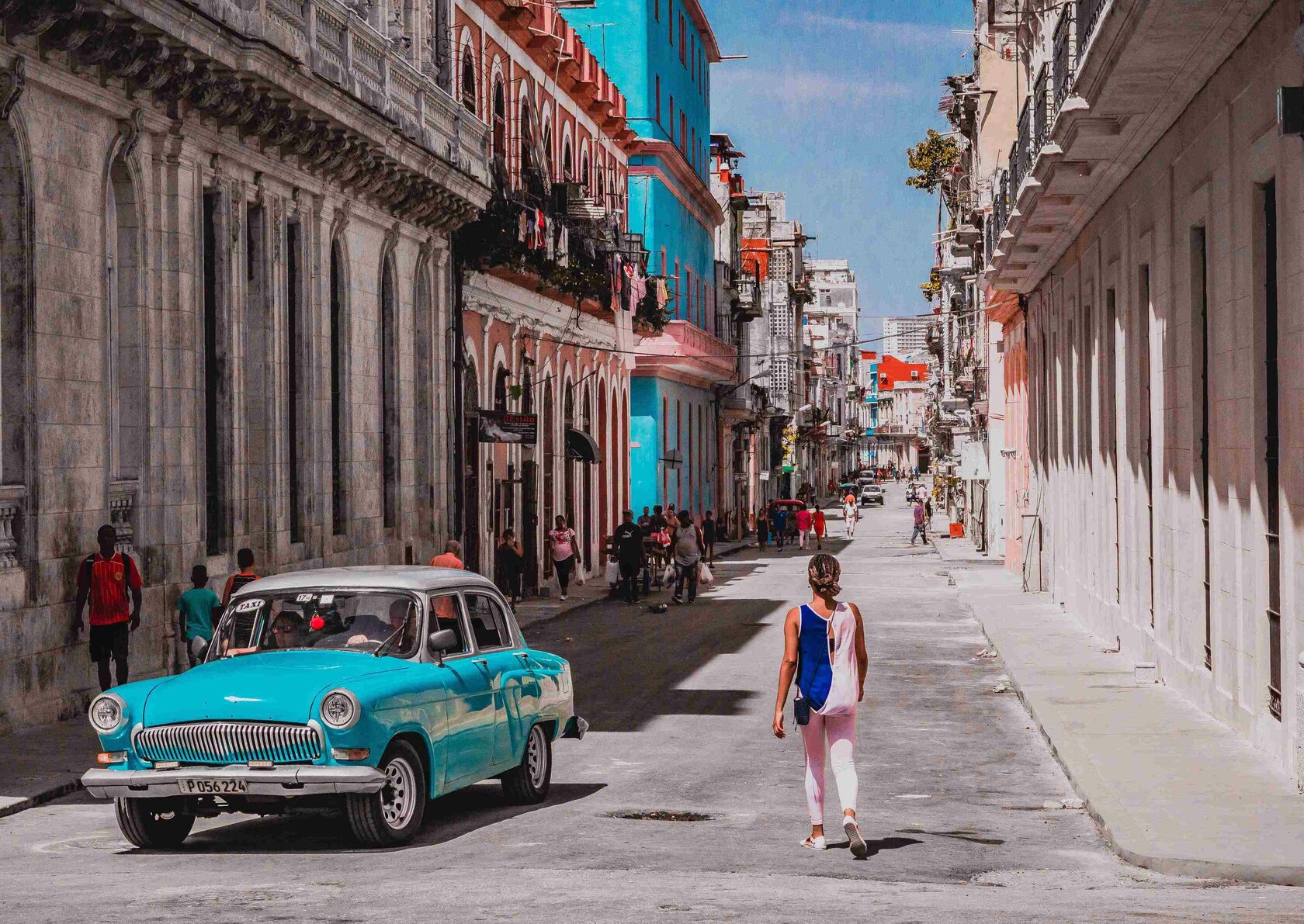
Today, we'll delve into the fascinating demographics of Cuba, exploring the intricate tapestry of its population—its diversity, cultural richness, and the factors shaping its dynamic composition.
What influenced the creation of the Cuban population?
The creation of the Cuban population is deeply rooted in a complex historical tapestry shaped by successive waves of influence. The arrival of Spanish colonizers in 1492 marked a pivotal moment, as European settlers intermingled with the indigenous population, laying the foundation for the mestizo population. The transatlantic slave trade during the 18th and 19th centuries significantly impacted Cuba, bringing a substantial number of African slaves whose forced migration contributed to the rich ethnic diversity observed in the country. Waves of immigration, including Chinese and Lebanese communities, further enriched Cuban society, creating a mosaic of cultures. The dominance of the sugar industry, wars for independence, and post-revolutionary changes also played integral roles in shaping the demographic landscape. The complex interplay of these historical factors continues to define the vibrant and diverse Cuban population seen today.
Population of Cuba: 2022-2023
As of 2023, Cuba's population stands at 11,194,449, reflecting a slight decrease of 0.16% compared to the previous year. In 2022, the population was 11,212,191, experiencing a 0.39% decline from the figures recorded in 2021.
Population of Havana in Cuba
As of now, the metropolitan area population of Havana stands at 2,149,000.
Population of Cuba: growth rate, density, decline
Cuba is experiencing an annual population decline of -0.4%, accompanied by a population density of 263.6 inhabitants per square mile or 102.3 inhabitants per square kilometer. The country is grappling with a dual challenge of declining population and an aging demographic, mirroring concerns seen in European nations. This demographic shift is raising alarms among authorities in Cuba.
Cuba population by religion
Religious affiliations in Cuba are diverse, with the majority being Christian at 58.9%. Folk religion holds a significant presence at 17.6%, while Buddhist, Hindu, Jewish, Muslim, and other religious groups each constitute less than 1%. A notable portion of the population, accounting for 23.2%, identifies as having no religious affiliation.
Muslim population in Cuba
During Cuba's colonial period (late sixteenth to nineteenth century), Islam found its way to the island through Western African slaves, particularly those from Senegambia, notably the Mandingo group. Between 1808 and 1848, nearly half of the enslaved Muslims brought to the Americas, around 20,654 individuals, arrived in Cuba. The documentation of these slaves, including unique identifiers and names of Islamic origin, serves as historical evidence of Islam's early presence in Cuba.
The Cuban Muslim community faced challenges over the years, with many of its members leaving after the Cuban Revolution in 1959. However, Islam persisted and began to gain popularity in the 1970s and '80s, further organized by the 1990s.
The Cuban Muslim community faced challenges over the years, with many of its members leaving after the Cuban Revolution in 1959. However, Islam persisted and began to gain popularity in the 1970s and '80s, further organized by the 1990s.
Cuba population by race
The population demographics in Cuba are characterized by a distribution of 64.1% White, 26.6% Mulatto or mixed-race, and 9.3% Black.
Cuban black population
The Afro-Cuban population constitute 9.3%, with approximately 1.3 million individuals identifying as black. This demographic reflects a significant presence of sub-Saharan African ancestry on the island. The complexity arises as many Cubans trace their origins to specific African ethnic groups or regions, including the Akan, Yoruba, Igbo, Congo, Arará, Carabalí, Mandingo, Fula, Makua, among others.
Genetic testing indicated that self-identified "negro (Black)" individuals had an average ancestry of 65.5% African, 29% European, and 5.5% Native American or other ancestry. While Afro-Cubans are dispersed throughout the country, Eastern Cuba has a higher concentration of black individuals, and Havana boasts the largest black population among Cuban cities. Additionally, there exists an Afro-Gypsy population in Cuba.
Genetic testing indicated that self-identified "negro (Black)" individuals had an average ancestry of 65.5% African, 29% European, and 5.5% Native American or other ancestry. While Afro-Cubans are dispersed throughout the country, Eastern Cuba has a higher concentration of black individuals, and Havana boasts the largest black population among Cuban cities. Additionally, there exists an Afro-Gypsy population in Cuba.